








Introduction:Although latte coffee may seem simple, it encompasses multiple techniques—from bean variety selection, espresso extraction, milk frothing to latte art presentation. This article delves into the key steps of making a latte, including how to choose the right espresso beans based on flavor preferences, adjusting grind size and extraction parameters, mastering the principles of milk frothing and temperature control, as well as practicing latte art skills from the basics. Whether you're a coffee novice or preparing to step into the professional field, this comprehensive guide provides practical operational instructions.
The process of making a latte involves bean selection, espresso extraction, milk froth preparation, and latte art presentation, with each step influencing the final flavor and appearance. Although there may be slight variations among shops in terms of milk ratio, coffee bean selection, and extraction settings, a classic latte is typically made with a large amount of milk paired with a single shot of espresso, resulting in a balanced and rich taste.
Many people ask how to become a qualified barista—does it only require learning latte art? In fact, the foundational skills of a barista include proficiently extracting espresso and steaming milk, which are often basic assessment criteria for hiring. A successful latte is the result of a comprehensive understanding of coffee bean characteristics, extraction parameters, and milk froth texture.

When making an authentic Italian espresso, choosing the right blend is particularly important. Some classic dark roast blends can showcase intense roasted aromas and rich textures, and they easily extract abundant and delicate coffee crema. Whether used for Americano or paired with milk in a latte, they deliver consistent performance.
Here are the standard reference parameters for a classic Italian espresso: the recommended coffee powder amount is 18 grams, the extracted coffee liquid is about 36 grams, and the overall extraction time is controlled at around 28 seconds. For milk, it is recommended to use whole milk, with a frothing temperature of about 50°C, maintaining a milk foam thickness of 1 centimeter, and a coffee-to-milk ratio of approximately 1:9. It is suggested to use a ceramic cup with a capacity of about 200 milliliters for serving, which helps with heat retention and observing latte art effects.

How to extract a high-quality espresso?
The first step is to choose the right coffee beans. Based on the flavor requirements of a latte, you can make choices according to personal taste preferences:
A. If you prefer nutty notes and a balanced taste, you might consider using a blended coffee, which typically exhibits a low acidity and rich base.
B. Readers who enjoy spices, caramel, and roasted aromas can opt for beans with dark roast characteristics, which usually come with rich sweetness and a bold aftertaste.
C. If you are fond of floral notes and a balance of acidity and sweetness, you can choose light to medium roasted beans, which typically display brighter fruit acidity and floral nuances.
It is generally recommended to let espresso beans rest for about 10 days after roasting to allow them to reach their optimal flavor period. Although dark roast beans have a faster degassing rate, if the beans are too fresh during espresso extraction, excessive degassing can lead to channeling, affecting extraction stability.
The importance of adjusting grind size
After selecting the beans, the next step is to adjust the grind size. The fineness of the grind directly affects the speed of water flow and extraction time. Generally speaking, the finer the grind, the denser the coffee bed, the greater the resistance to water flow, and the longer the extraction time; conversely, a coarser grind allows smoother water flow and shorter extraction time.
The ideal extraction time usually falls between 25 to 30 seconds, with a double shot recommended to be controlled at 18 to 20 grams. If you find the extraction time is too long, it may indicate the grind is too fine, leading to over-extraction, and the flavor may turn overly sour or burnt; if the flow rate is too fast and extraction is insufficient, the grind may be too coarse and should be adjusted finer as needed.
Techniques for dosing and distributing coffee grounds
Dosing is the first step that affects the evenness of the coffee bed. Even with high-end distribution tools, uneven dosing will still impact subsequent distribution and tamping. When dosing, it is recommended to use an electronic scale to confirm the coffee amount and rotate the portafilter handle to evenly distribute the coffee grounds in the basket, reducing localized overpacking or underpacking.
During distribution, gentle tapping and knocking actions can help compact the coffee pile and eliminate large air pockets, ensuring even water flow during extraction. Observing the flow rate and color changes during extraction can help assess the evenness of distribution and tamping.
Precautions for tamping
The purpose of tamping is to compress the loose coffee grounds to ensure even penetration of hot water. Tamping should be done with a vertical downward force to avoid tilting, which can cause channeling. The tamping pressure should be consistent; regardless of the tamper used, stable and even compression is key.
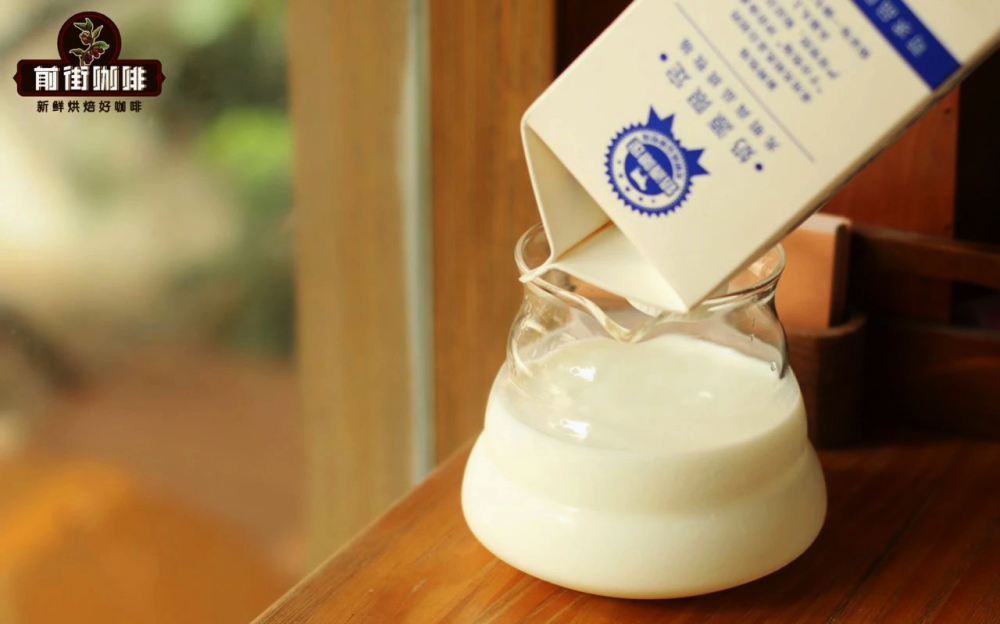
How to froth milk?
Frothing milk is an extremely important part of making a latte, affecting the texture and taste of the milk foam. It is recommended to use whole milk, with a frothing temperature controlled at about 50°C and a milk foam thickness of about 1 centimeter.
The frothing process is divided into two stages: the first is aerating and frothing, where the steam wand is inserted into the milk to introduce steam and create tiny bubbles; the second is texturing, where a vortex is used to break larger bubbles into fine milk foam, making the overall structure more velvety. During operation, attention should be paid to the angle and depth of the steam wand to avoid excessive force causing milk spillage or temperature loss of control.
Beginner’s latte art practice method
After completing the espresso and milk froth, you can start practicing latte art. First, gently swirl the espresso in the cup to evenly coat the walls with crema, and tilt the cup at about 40 degrees. When pouring the milk, maintain a thin stream and steady flow rate, starting from the center of the coffee and gradually expanding the latte art area.
When practicing latte art, you can start with a heart shape: first create two half-circles, then adjust the pitcher height and flow rate to complete the closed heart shape, and finish with a thin line stream to enhance the overall aesthetic.

The above content is compiled by CoffeeHunters, a coffee news website.


