







Introduction:Want to understand the authentic flavors of Mandheling coffee and the best brewing methods? This article delves into the wet-hulled processing characteristics of Sumatran Mandheling, the reasons for medium-to-dark roasting, as well as the PWN certification and G1 grade standards of Golden Mandheling. It also provides the most practical parameter recommendations for pour over enthusiasts, including filter choice, grind size, water temperature control, and three-stage pouring techniques, teaching you how to avoid common burnt and bitter notes and brew a classic Mandheling that is rich, with chocolate and nutty aromas.
What is the most captivating aspect of Mandheling coffee? It’s the intense nuttiness, the richness of dark chocolate, and the silky-smooth texture reminiscent of caramel cream. These characteristics form the classic flavor profile of Mandheling. This article will start with the commonly seen medium-to-dark roasted Mandheling, taking you through how Sumatra’s unique wet-hulling process creates its signature herbal and woody aromas, and explaining why such beans often require deeper roasting to balance defects and off-flavors. We will also detail the brand background of Golden Mandheling and the G1 grading system, and offer professional brewing advice for the common issue of “only getting burnt bitterness” when pour over brewing, including the use of a KONO filter, grind adjustment, water temperature control at 87–88°C, and a three-stage pouring method, helping you successfully brew a cup of Mandheling that balances sweetness with rich layers.
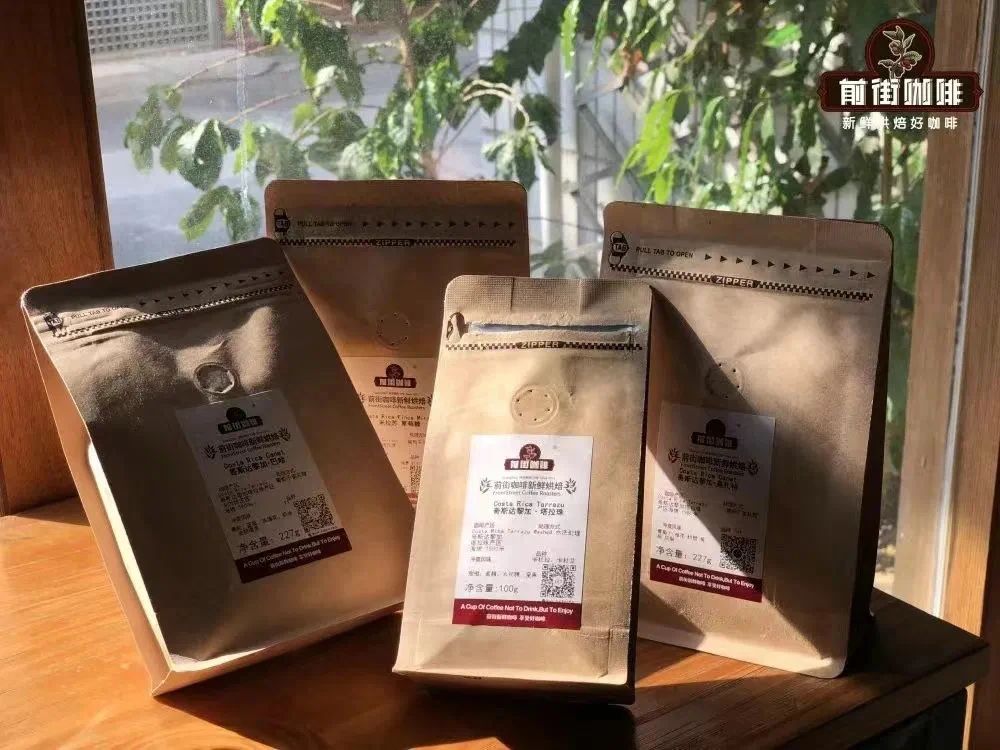
After medium-to-dark roasting, Mandheling emits highly distinctive aromas, including nuts, dark chocolate, roasted chestnuts, and even subtle hints of spices like cinnamon. In the cup, you can feel a silky body akin to caramel and cream, with a solid overall mouthfeel and a pronounced lingering aftertaste. For those who enjoy strong, slightly bitter black coffee, this bean is definitely an excellent choice for entry-level or everyday drinking.
So why do many Mandhelings opt for medium-to-dark roasting? In fact, in the past, almost all Mandheling on the market was medium-to-dark roasted, presenting the classic rich and bold black coffee flavor. However, with the rise of specialty coffee trends, some shops have started offering medium-light roasted versions, making the flavors lean more toward fruity, herbal, or tea-like notes, but correspondingly, the body and richness are reduced. While light roasting can bring a refreshing taste, the distinctive character of Mandheling may be masked. Especially given Sumatra’s unique wet-hulling process, which removes the parchment layer before the beans are fully dried, this process can easily damage or contaminate the beans, leading to a higher rate of defects in green beans. Deep roasting, on the other hand, can effectively mask these flaws, resulting in a more rounded and unified coffee flavor. Additionally, due to early Japanese market promotion and preference for Mandheling, the dark roasting style has become mainstream. Therefore, the two Mandheling offerings currently on sale — the everyday-drinking beans from the Lintong region and the Golden Mandheling from the Aceh region — are both medium-to-dark roasted to present the most classic Mandheling flavors.
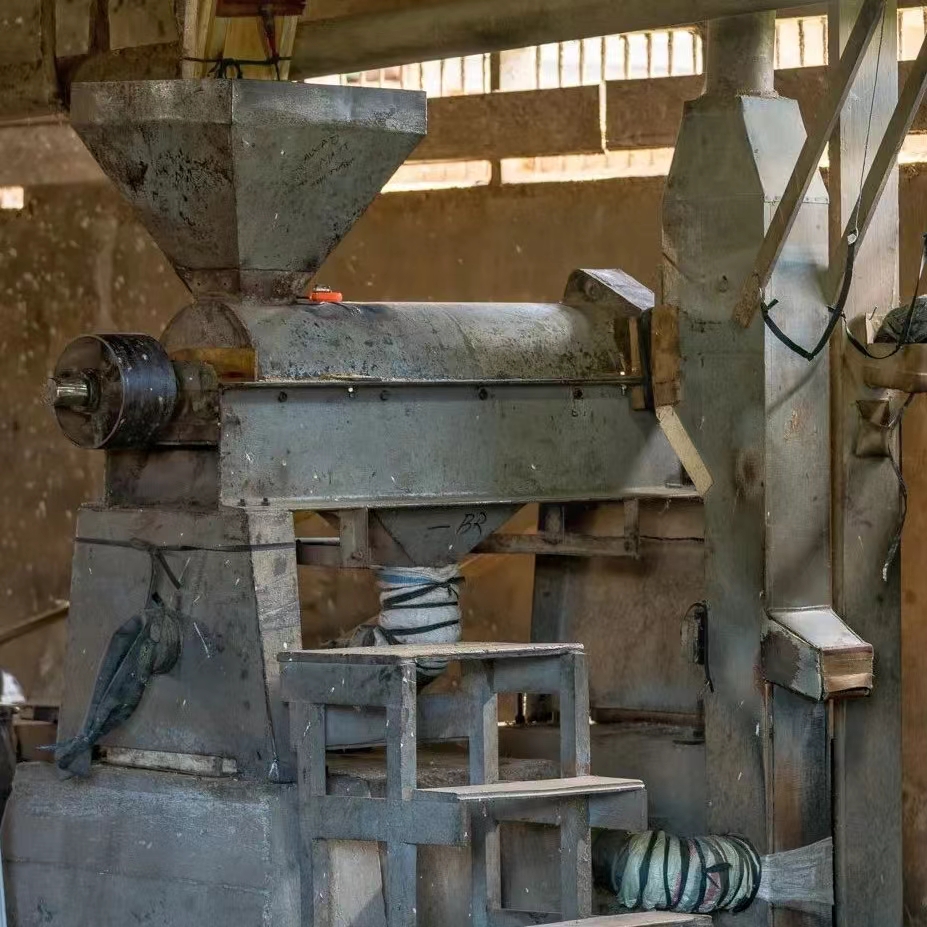
When it comes to “Golden Mandheling,” this is a registered brand of Indonesia’s PWN (Pusat Penyangga dan Pemasaran Kopi Nusantara / National Coffee Logistics and Marketing Center). Although there are many products on the market labeled as Mandheling, only coffee produced by PWN and bearing the PWN logo and origin certification can be considered genuine Golden Mandheling. If you see sacks printed with the PWN logo and related certification documents in a shop, then that is the authentic product. What makes Golden Mandheling special is rooted in the quality demands of Japanese buyers for Sumatran coffee in the early days. They found the local beans to be inconsistent in quality, so they established a strict defect screening process. Every bean was examined for density, size, shape, and color through both machine and manual checks to ensure each one was whole, uniform, and free of off-flavors. It is said that these meticulously selected beans take on a golden sheen in sunlight, hence the name.
Indonesia’s green coffee grading system is primarily based on the number of defective beans, with bean size being a secondary consideration. Generally, high-quality green beans must be free from insect damage, mold, have a moisture content no higher than 12.5%, and an impurity rate below 0.5%. Based on defect rates, there are six grades, with the highest-grade G1 requiring no more than 11 defective beans in a 300g sample. Lintong Mandheling falls under the G1 grade, using wet-hulled processing to showcase the typical flavors of Indonesian Mandheling. Golden Mandheling goes a step further, selecting only top-grade green beans that are 18 mesh or larger, with fewer than 3 defective beans in 300g, and undergoing one mechanical and three manual selections to ensure each bean meets high standards. In addition, density and color sorting are performed to ensure the final Mandheling product has a uniform and bright appearance.
Many pour over enthusiasts often encounter only bitter and burnt notes when brewing Mandheling, which may actually be due to incorrect brewing parameters. For darker-roasted, distinctly bitter coffees like Mandheling, it is recommended to use a KONO filter. Compared to the v60, the KONO filter has smoother curves, fewer drainage holes, and only one-quarter of the cup is occupied by ribs, making the coffee extraction more akin to immersion, bringing out a rounder and fuller body — especially suitable for medium-to-dark roasted beans, such as Brazilian Queen’s Estate or Jamaican Blue Mountain No. 1 coffee.
Deep-roasted coffee beans, due to their already loosened structure (they can be crumbled with slight pressure), absorb water faster when ground and are more likely to release large-molecule bitter substances. Therefore, to avoid over-extraction, it is advised to use a coarser grind and slightly lower water temperature for pour over. For grind adjustment, we recommend using a Chinese standard No. 20 sieve (0.85mm); for medium-to-dark roasted Mandheling, the goal is to have about 70% of the coffee grounds pass through the sieve. This is slightly coarser than the 75–80% for medium-light roasts, helping to control extraction rates and avoid releasing too much bitterness and astringency.
Water temperature is also a key factor in extraction. The higher the temperature, the stronger the extraction efficiency, but the more likely it is to bring out bitterness and impurities. For light roasts, a water temperature of 91–93°C is recommended, but for medium-to-dark roasted Mandheling, it is suggested to lower it to 87–88°C to reduce the risk of over-extraction and to better highlight the caramel and chocolate flavors.
Here are our recommended Mandheling pour over parameters: water temperature controlled at87–88°C, using15 grams of coffee grounds, with a1:15brew ratio of (not provided), grind size atmedium-coarse (20 sieve passing rate of 70%)
. As for the brewing technique, it is recommended to use a three-stage pouring method, which helps to bring out the full body and caramel sweetness of Mandheling.The first stage isthe bloom phase, where 30ml of hot water is poured to allow the coffee grounds to fully absorb water and release CO₂, preparing for subsequent extraction. Then comesthe second pour, where 100ml is added, bringing out the golden crema and enhancing the overall extraction layers. Finally, there isthe third pour
The above content is compiled by CoffeeHunters, a coffee news website.


