








Introduction:Indonesian coffee is renowned for its unique wet-hulled processing method and rich, bold flavors. It is the world’s largest producer of Robusta and is also home to highly acclaimed Arabica varieties such as Golden Mandheling. This article delves into the history, major growing regions, processing techniques, and three renowned Indonesian coffee types of Indonesia. It also provides practical pour over parameters and flavor profiles to help you better understand and brew uniquely flavored Indonesian coffee.
Indonesia is not only an important coffee-producing region in Asia but also a major global supplier of Robusta coffee, with its output far exceeding that of Arabica—only about 6% to 10% is Arabica. Since the Dutch introduced coffee cultivation in the 17th century, Indonesian coffee has endured the devastation of coffee leaf rust, eventually revitalizing the industry by introducing the disease-resistant Robusta variety. Its most distinctive "wet-hulled processing method" gives the coffee low acidity, full body, and unique earthy and herbal aromas, making it a key characteristic of Indonesian coffee.
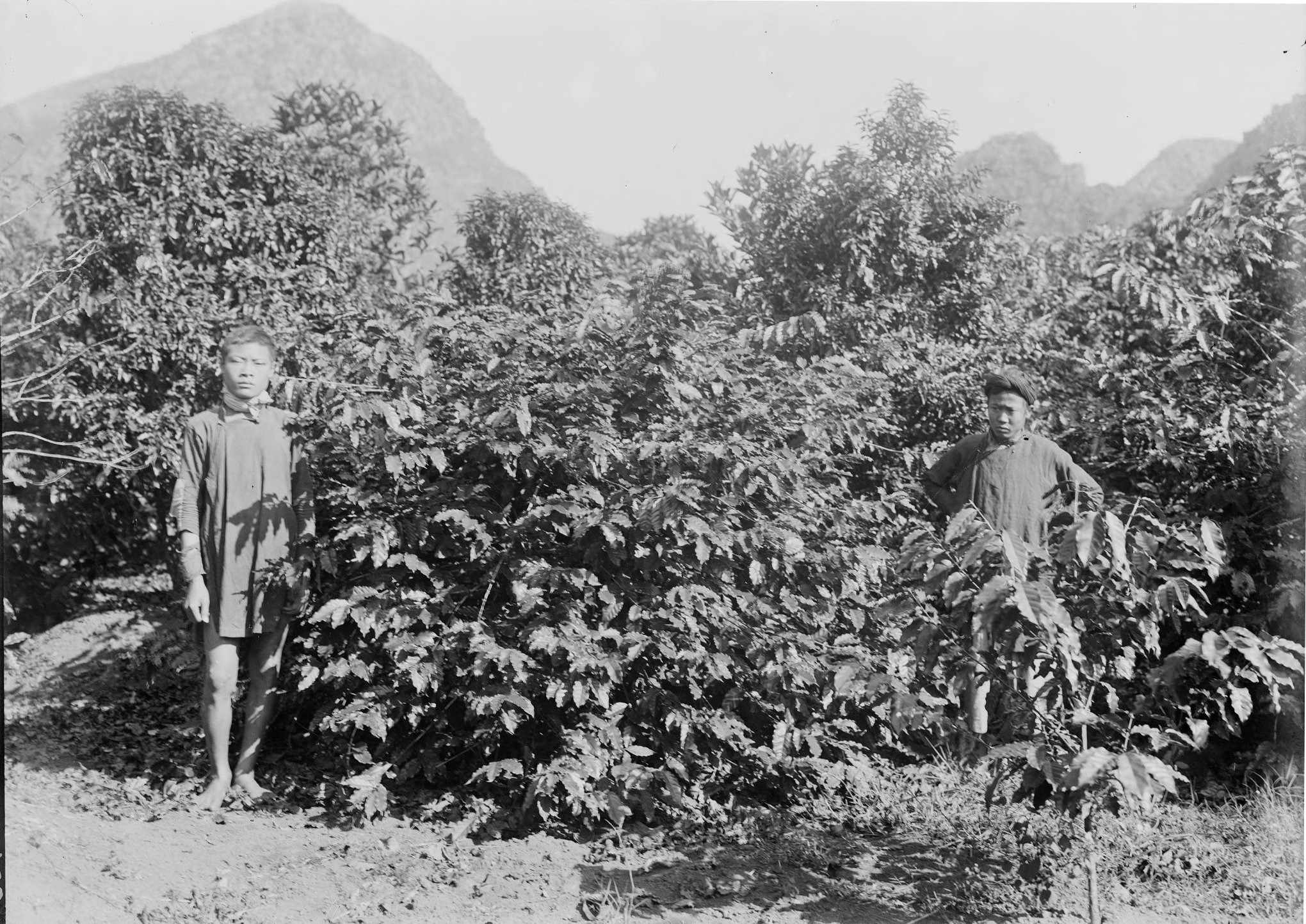
The history of Indonesian coffee dates back to 1696, when the Dutch East India Company introduced coffee seeds to Java. After successful trials, cultivation gradually expanded to Sumatra and other islands. However, the coffee leaf rust epidemic of 1877 nearly destroyed local Arabica plantations, forcing Indonesia to shift to the more disease-resistant Robusta. Today, Indonesia is the world’s largest Robusta producer, while Arabica is mainly grown in the high-altitude regions of northern Sumatra, such as the famous Gayo region, which is also the origin of the renowned Golden Mandheling.
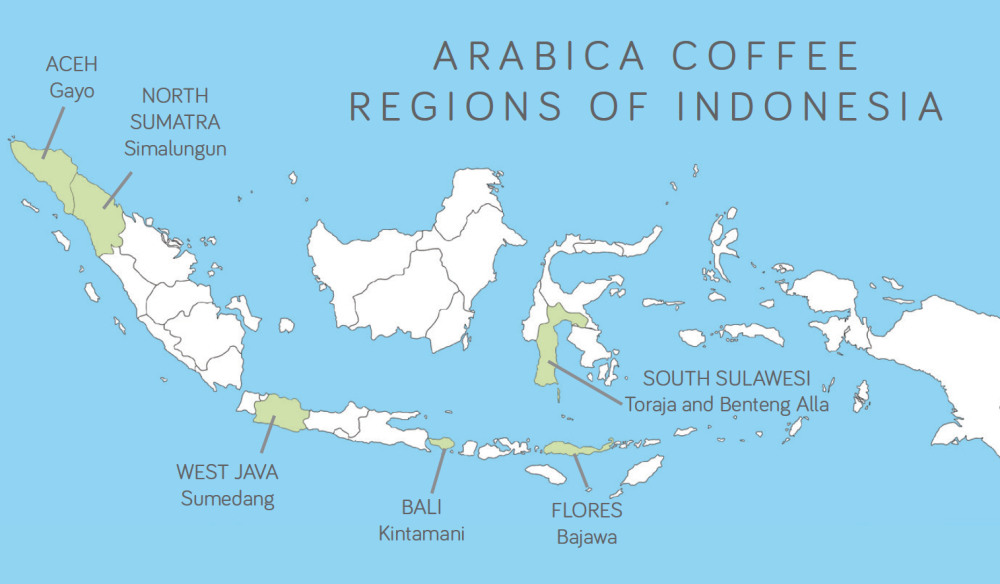
The main coffee-growing regions in Indonesia include Sumatra, Sulawesi, and Java. Among them, Sumatra’s Mandheling, famous for its wet-hulling process, is the most notable; Sulawesi is known for its balanced fruitiness; and Java coffee boasts delicate aromas and soft acidity. These three regions form the diverse flavor spectrum of Indonesian coffee and offer unique choices for the global coffee market.
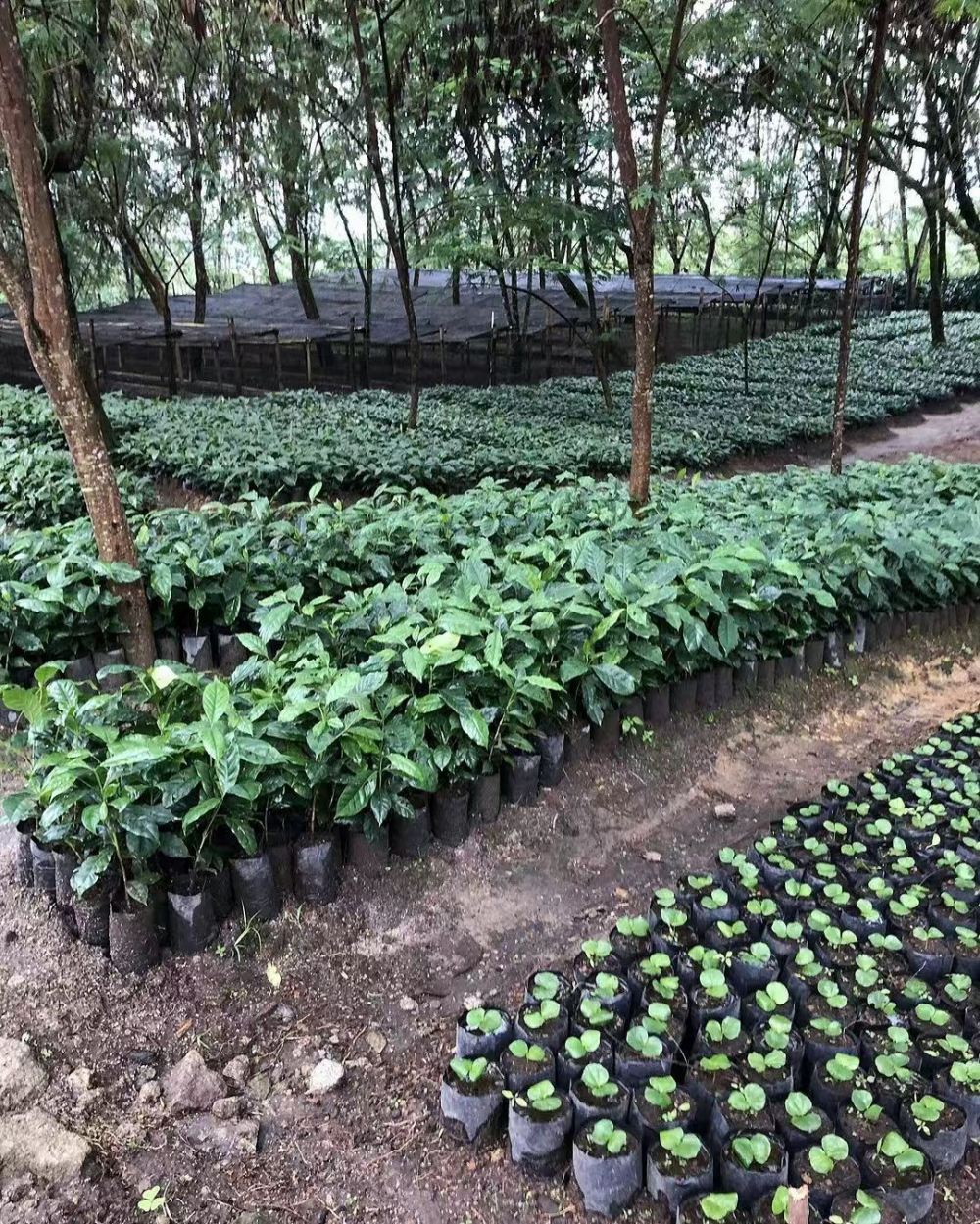
Indonesian coffee features a wide variety of cultivars, including Arabica, Robusta, and the rare Liberica. Common varieties are Typica, Catimor, Tim Tim, and others. Currently, the country’s coffee plantation area exceeds 1 million hectares, with about 95% of coffee produced by smallholder farmers and only a small portion coming from large estates in East and Central Java. Most production is organic, and 19 cooperatives have obtained international organic certification to access global markets.
Indonesia’s unique "wet-hulled processing method" (giling basah), also known as semi-washed or wet hulling, is key to shaping its flavor profile. In this method, after removing the pulp and skin, the coffee beans are dried only to about 30% moisture content before hulling, then further dried to a storable state. This process reduces acidity, enhances body, and imparts intense earthy, spicy, and woody notes, making it especially suitable for dark roasts to showcase complex layers.
Sumatra’s Mandheling is representative of Indonesian coffee and can be divided into three types: Golden Mandheling, Lintong Mandheling, and aged Mandheling. Lintong Mandheling retains the traditional herbal characteristics of Mandheling; Golden Mandheling is rigorously selected for uniform bean size, offering a clean, bright, and full-bodied taste with minimal off-flavors, making it ideal for those who prefer low-acidity and richly bodied coffee; Aged Mandheling, due to a special maturation process, has a more intense flavor, though its acceptance varies. Golden Mandheling is often recommended for coffee lovers who prefer a smooth, full-bodied cup without acidity.
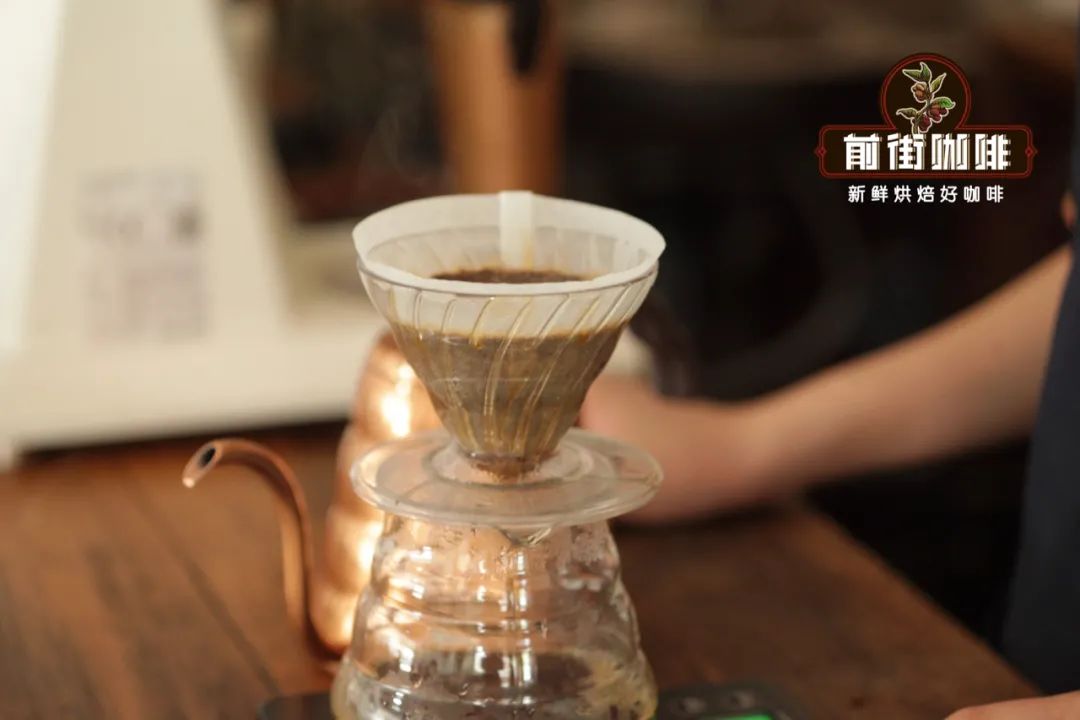
Taking the well-known Golden Mandheling from Indonesia’s prominent producing regions as an example, its flavor profile is based on caramel, nuts, and chocolate, complemented by spicy and herbal notes. The cup is clean with a pronounced sweetness and almost none of the herbal or earthy tones commonly found in traditional Mandheling. It is recommended to use a Kono filter with medium grind (approximately EK43s 11 setting), water temperature at 86°C, a 1:15 coffee-to-water ratio, and a pulse pouring method—first blooming for 30 seconds, then pouring to 225g total—achieving a total brew time of about 2 minutes, which fully highlights its full-bodied character.
When discussing Indonesian coffee, one cannot overlook the unique "kopi luwak" or civet coffee. The beans are consumed by civet cats, fermented in their digestive tract, and then excreted and collected for processing. Because civets prefer ripe, sugar-rich coffee cherries and due to the enzymatic action in their bodies, kopi luwak features intense herbal, nutty, and fermented aromas, along with a prominent body. However, its production process raises concerns about animal welfare, so consumers should pay extra attention to the source.
Taking a commonly available kopi luwak as an example, its flavor presents herbal and nutty tones, accompanied by dark chocolate and fermentation layers. It is suitable for brewing with a Kono filter, using water at 86°C, a 1:15 coffee-to-water ratio, and also employing a pulse pouring method, keeping the total brew time within 2 minutes, which accentuates its unique richness and body.
Java Island’s coffee showcases a different style, characterized by low acidity, delicacy, and fruity notes. The main producing areas are located in the high-altitude regions of West Java, where volcanic soil and cool mountain climates create a balanced taste and refined aroma. Common flavors include mango, red wine, peach juice, and plum, with a clean and sweet aftertaste. It is suitable for those who enjoy bright fruitiness and soft acidity. It is recommended to use a V60 filter, with water at 90°C, medium-fine grind (approximately EK43s 10 setting), and also employing a pulse pouring method to highlight its delicate fruitiness and layered complexity.
The above content is compiled by CoffeeHunters, a coffee news website.


