







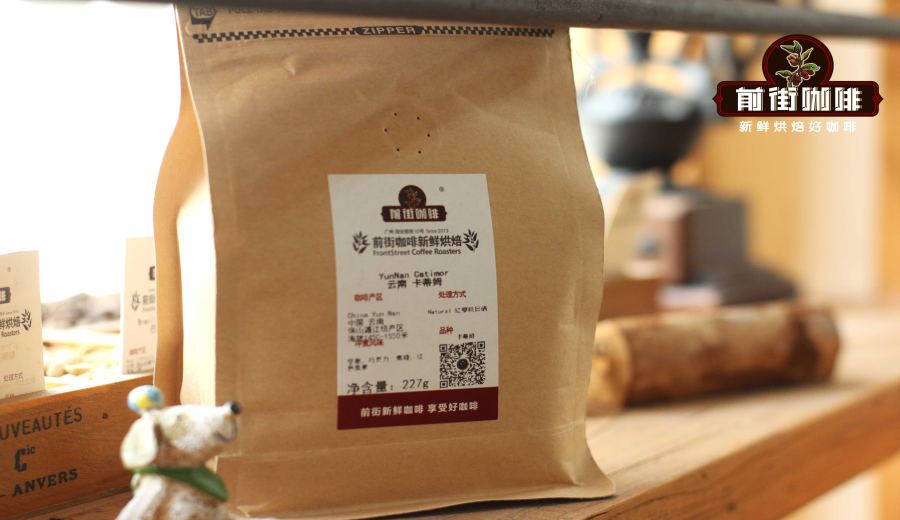
Introduction:Yunnan small-grain coffee has received international acclaim in recent years, becoming one of China’s representative specialty coffee producing regions. This article delves into the definition and evolution of Yunnan small-grain coffee, analyzes its main growing areas and varietal shifts, and provides detailed insights into the characteristics of three representative Yunnan coffee beans. It also offers practical pour over recommendations and brewing parameters to help readers fully grasp the essence of Yunnan coffee’s flavor and regional profile.
In recent years, Yunnan small-grain coffee has not only shone brightly in the domestic market but has also achieved remarkable results in international competitions and cuppings, gradually becoming an important hallmark of China’s specialty coffee. Many coffee shop customers now specifically inquire about beans from Yunnan, highlighting its popularity. This article will start with the basic concept of small-grain coffee, delve into the main producing regions and varietal evolution in Yunnan, and guide readers through the diverse flavor profiles of three distinctive beans to understand Yunnan coffee’s variety. Finally, it provides expert-level pour over extraction advice to help you better appreciate the coffee potential of this region.
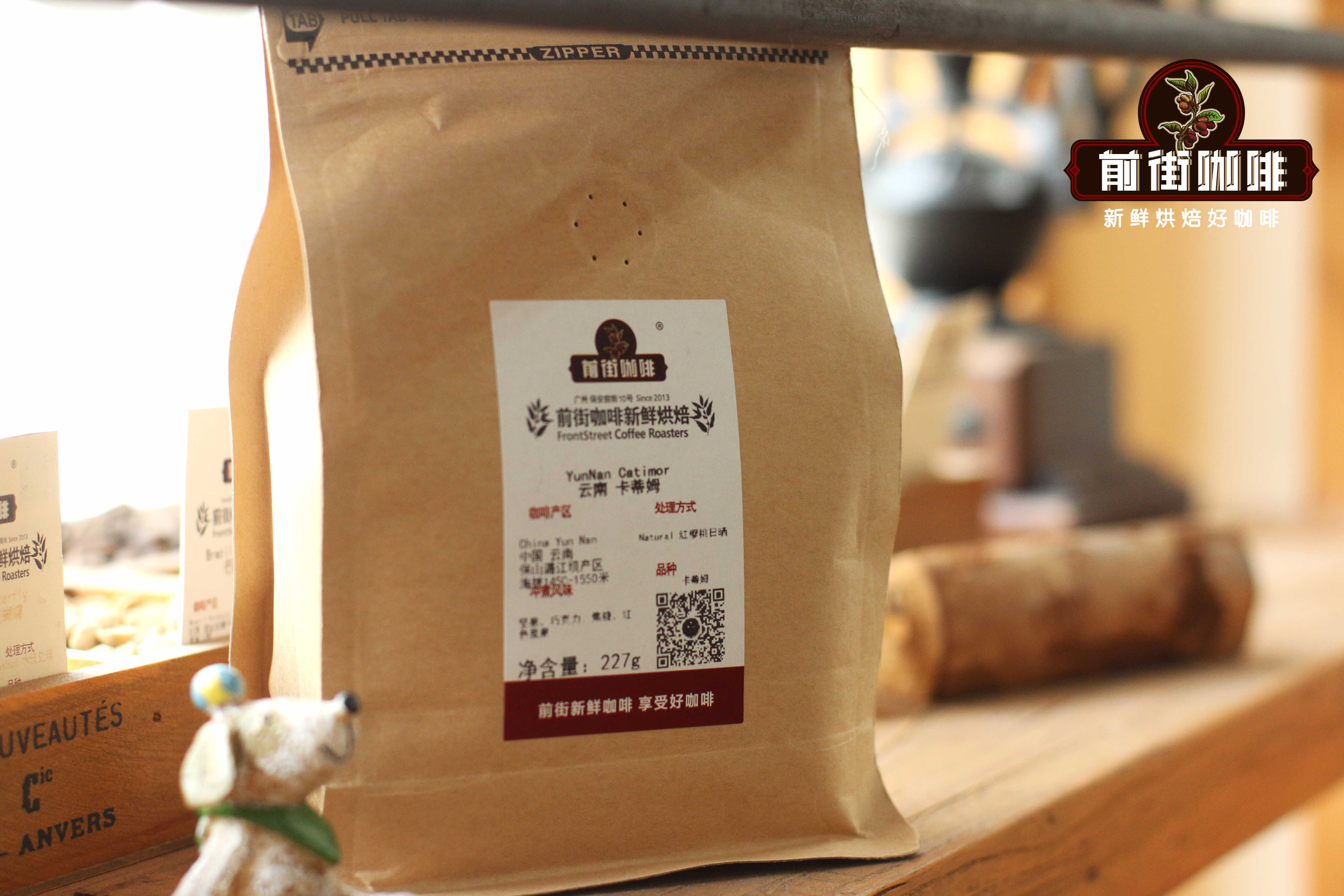
First, the so-called “small-grain coffee” actually refers to Arabica coffee. In the early days, when varietal classification was less refined, Arabica beans were smaller in size compared to Robusta (medium-sized bean) and Liberica (large-sized bean), which is why they were called “small fruit coffee,” while the latter two corresponded to medium and large fruits, respectively. Over time, this term became closely associated with the Yunnan producing region and evolved into the common market name for local Arabica coffee.
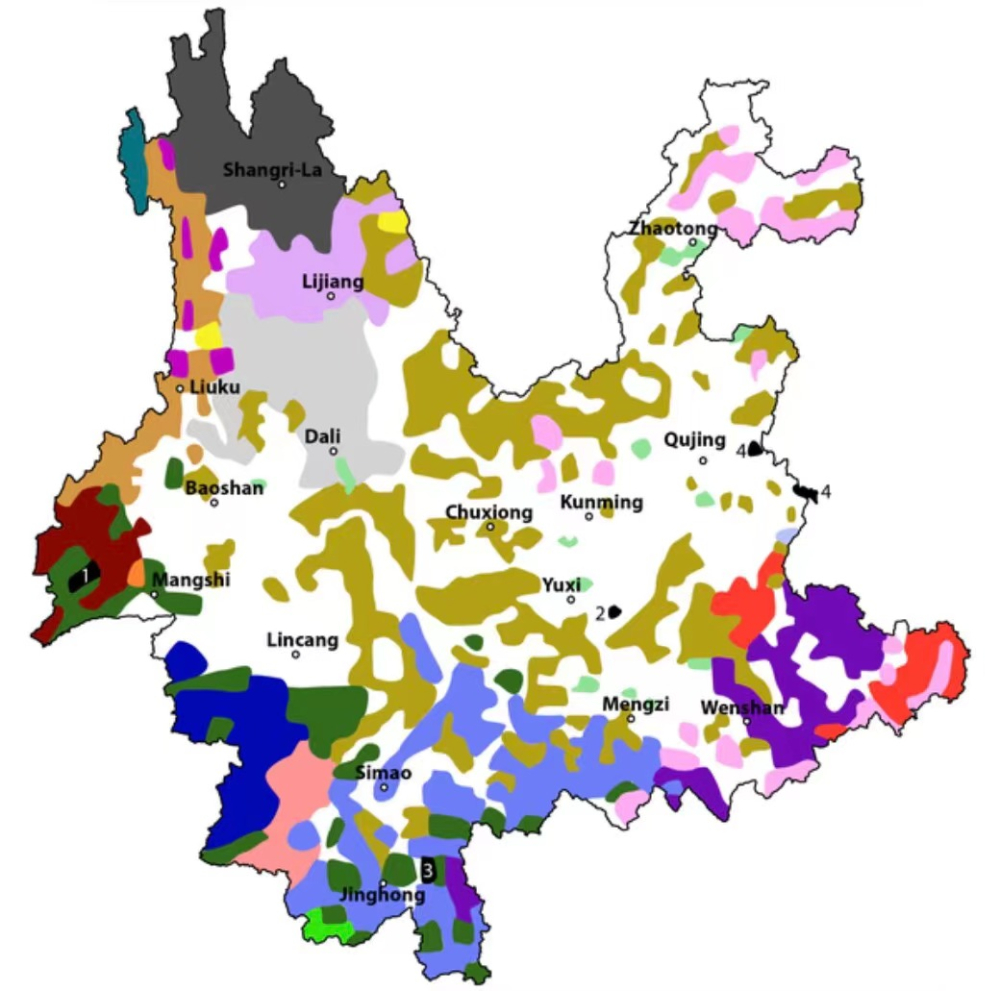
The altitude range in Yunnan suitable for growing Arabica is roughly between 1,000 and 1,500 meters, covering major producing areas such as Lincang, Baoshan, Pu’er (formerly known as Simao), Xishuangbanna, Dehong, and Nujiang. Generally speaking, the higher the altitude, the greater the day-night temperature difference, slowing down the growth pace of coffee trees, which helps accumulate nutrients and flavor compounds, thereby enhancing the final quality and flavor expression of the beans.
According to statistics, as early as 2014, Yunnan’s coffee planting area and production accounted for over 99% of the national total, demonstrating its core position in China’s coffee industry. Taking the Luxi Basin in Baoshan City as an example, the area has an average annual temperature of 21.5°C, with highs even exceeding 40.4°C, and almost no frost throughout the year, providing an excellent environmental foundation for coffee growth.
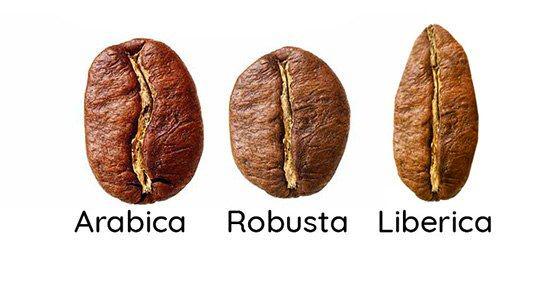
Currently, the main coffee variety planted in Yunnan is Catimor, but a small number of classic varieties such as Typica, Bourbon, and Geisha are also preserved. Among them, Catimor is a hybrid created in 1959 by Portugal’s CIFC Coffee Research Center, crossing the leaf rust-resistant Timor variety with Caturra. It has strong disease resistance and high yield characteristics, leading to its widespread promotion in the 1980s. In 1988, Nestlé introduced Catimor to Yunnan, marking an important turning point in the region’s coffee revitalization.
However, due to Catimor’s Robusta lineage, its flavor is often less refined and prone to grassy or harsh off-notes, causing many people to associate Yunnan coffee with instant coffee and other mass-market products. Nevertheless, with appropriate processing methods—such as traditional sun-drying or washed processing—its hidden regional characteristics can still be revealed. In fact, since 2013, some coffee teams have been conducting trial plantings of Typica in the Lincang region, aiming to showcase a more elegant side of Yunnan coffee through pure Arabica lineage. As one of the oldest coffee varieties, Typica is known for its clean, balanced, and layered flavors, and is considered a classic among many specialty coffee enthusiasts.
If you’d like to try premium coffee beans produced in Yunnan, the following three products are worth exploring: “2013 Sun-Dried Typica Coffee Beans” showcase the variety’s distinctive bright acidity and sweetness, with a long-lasting aftertaste; “Premium Regional Staple Bean – Yunnan Baoshan Washed Catimor Coffee Beans” offer a balanced flavor at a great value using traditional processing; and “Fully Red Cherry Sun-Dried – Baoshan Luxi Basin Catimor Coffee Beans” feature pronounced berry notes while retaining Yunnan’s signature nutty and caramel base.
Although these beans vary slightly in variety and processing method, they all share common flavor characteristics of the Yunnan region, including notes of nuts, caramel, and plum—making them ideal for enthusiasts eager to explore China’s homegrown specialty coffee.
So, how can you brew Yunnan coffee to bring out its best flavors? It’s recommended to adopt a relatively balanced extraction strategy, avoiding overemphasizing any single flavor aspect. Specific parameter suggestions are as follows: use 15 grams of coffee grounds, with a brew ratio of 1:15 (you may adjust to 1:16 if you prefer a cleaner taste), using a V60 dripper. The water temperature is recommended to be set at 88°C to help soften acidity and highlight rich sweetness. The grind size should be medium-fine, roughly similar to the coarseness of granulated sugar or with a 20-mesh sieve passing rate of around 75%.
In practice, it’s suggested to first pour 30 grams of water for a 30-second bloom to activate the coffee grounds; then pour water in small circles up to 125 grams, wait until the water level drops by about half, and continue pouring in the same manner up to a total of 225 grams. The overall extraction time should be controlled to around 2 minutes and 10 seconds. This method helps balance the expression of acidity, sweetness, and bitterness, allowing the regional characteristics of Yunnan coffee to be fully revealed.
The above content is compiled by CoffeeHunters, a coffee news website.


