







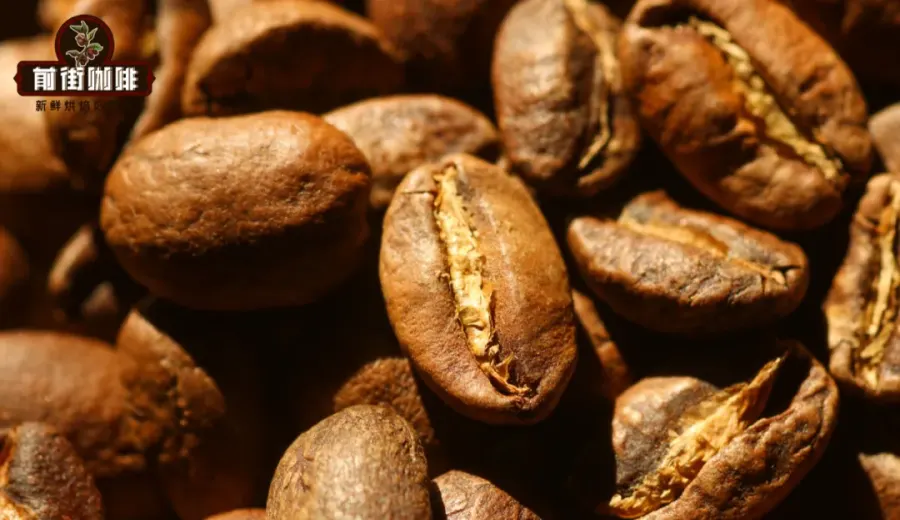
Introduction:Delve into the historical context and varietal evolution of Panamanian Geisha coffee, tracing its journey from its wild discovery in Ethiopia in 1931 to the rise of the T2722 cultivar in Panama. This article provides a comprehensive overview of its path to fame, detailing the regional characteristics and processing differences between Hacienda La Esmeralda’s Red and Green Label lots, along with practical pour over recommendations and extraction parameters to help coffee enthusiasts fully appreciate the allure of this top-tier specialty bean.
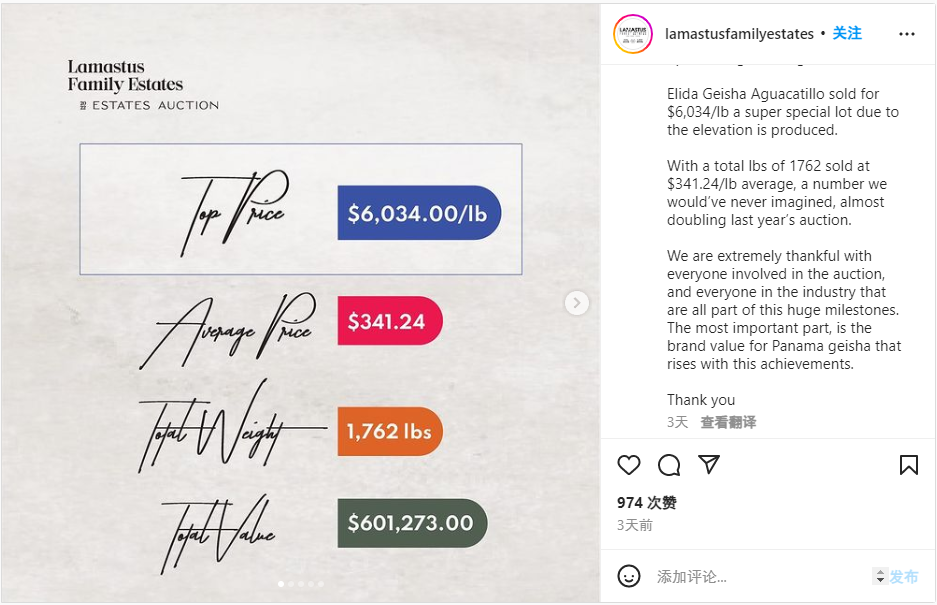
Geisha coffee has been the most celebrated star variety in the specialty coffee scene over the past two decades, repeatedly setting astonishing price records at global auctions. In 2022, a lot of honey-processed Geisha from Elida Estate under Panama’s Lamastus family sold for an astronomical $6,034 per pound, with just 7 pounds up for auction shocking the market once again. However, Geisha’s legendary story far predates its price spotlight — its journey began in 1931 in Ethiopia, passing through cultivation in Kenya, Tanzania, Costa Rica, and other regions before finally shining in Panama as the T2722 cultivar.
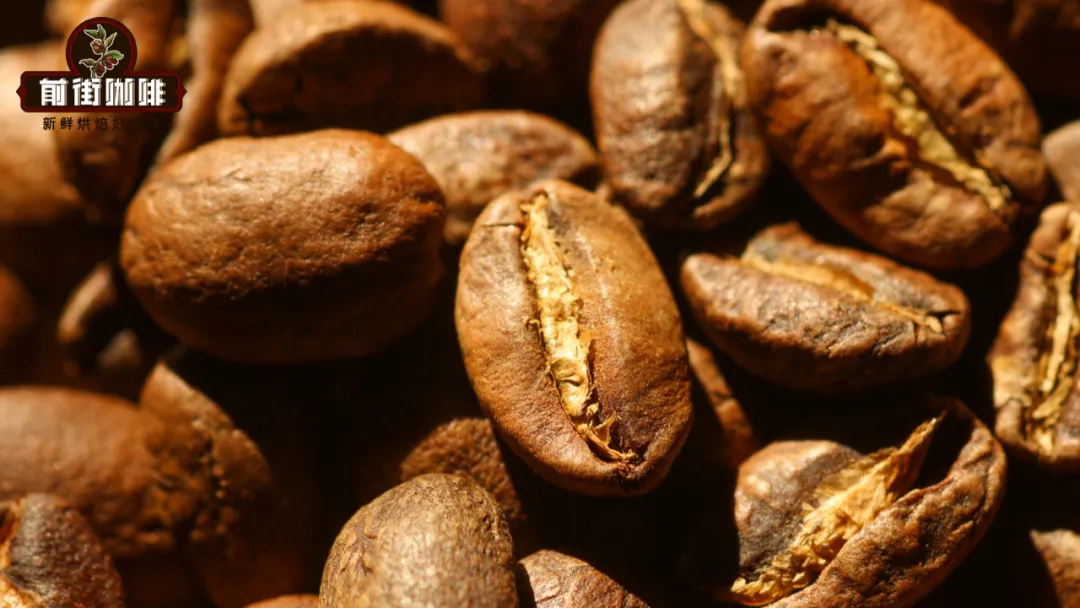
How did this once-obscure variety rise to the ranks of top-tier coffee in just over a decade? Let’s rewind history to understand the full journey of Geisha — from wild collection to international fame — and take an in-depth look at the differences between Hacienda La Esmeralda’s Red and Green Labels, while also offering professional pour over advice and key parameters to help you fully experience the unique flavors of Geisha.
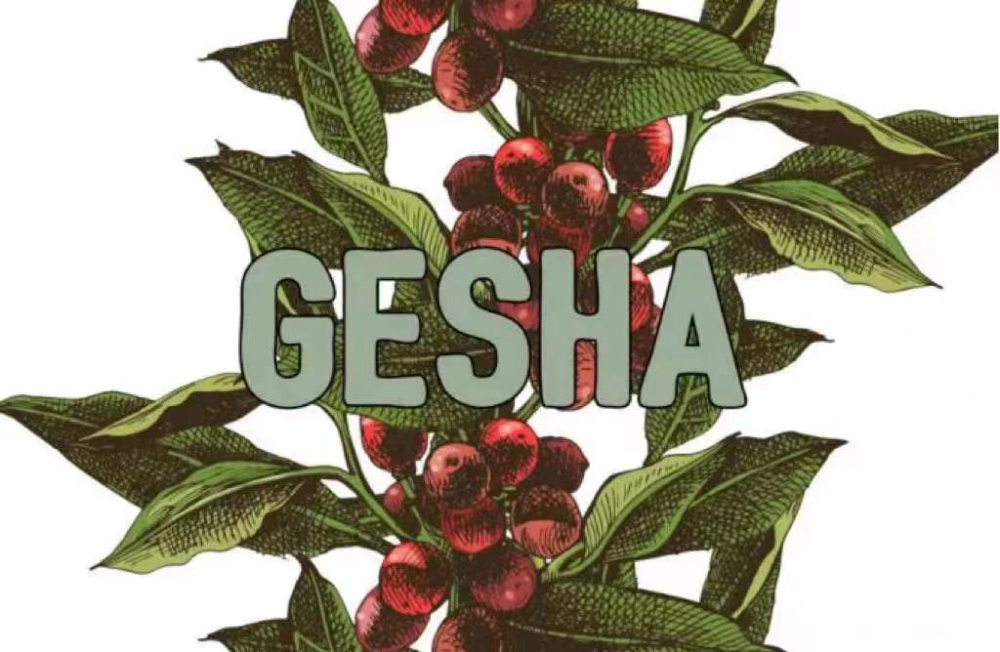
The reason Geisha coffee has captured the hearts of coffee lovers worldwide lies not only in its rarity, but also in the delicate floral and fruity aromas, bright acidity, and rich complexity it exhibits under light roasting. These qualities have redefined people’s imagination and pursuit of coffee flavor in recent years within the third wave of specialty coffee.
The discovery of Geisha can be traced back to 1931, when a British colonel collected coffee samples in the Bench Maji region of Ethiopia. It is worth noting that at the time, there was no clear concept of varietal classification, and the officer mixed coffee samples gathered from markets and the wild, uniformly labeling them as Gesha and sending them to a British plantation in Kenya. In 1936, he mentioned in a letter that he had originally thought the best Geisha in the area was a cultivated variety, but it turned out to be a wild one. This record also explains the origin of the “Geisha” spelling seen in later European literature. In fact, what is referred to today as Geisha is actually a mixed lineage of Ethiopian native varieties, while T2722 is the official designation for Panamanian Geisha.
The journey of T2722 Geisha began at the Kitale Agricultural Center in Kenya. This cultivar was later sent to the Amani Research Center in Tanzania, where five cultivars — VC496 to VC500 — were further developed. Among them, the disease-resistant VC496 was sent to the CATIE Research Center in Costa Rica in 1953 and renumbered as T2722. From there, T2722 was introduced to Panama as part of the disease-resistant variety research at the Dampa Estate, gradually revealing its unique potential in the region.
However, T2722 long remained overlooked, mainly because its flavor potential could only be fully revealed through light roasting — while the market preference at the time still leaned toward dark roasting. It wasn’t until Daniel Peterson, the third-generation manager of Hacienda La Esmeralda, insisted on entering this uniquely flavored yet non-mainstream Geisha bean into the 2004 Best of Panama competition that the variety shot to fame and completely transformed Panama’s international coffee standing.
When it comes to Geisha, Hacienda La Esmeralda is undoubtedly the most representative name. The estate is located in Panama’s Boquete region and boasts three core growing areas: Jaramillo, Cañas Verdes, and El Velo. Each plot’s altitude and microclimate provide ideal growing conditions for Geisha. Among them, Jaramillo averages 1,600–1,700 meters in elevation and is subdivided into five smaller plots such as Mario and Noria; Cañas Verdes ranges from 1,600–1,800 meters in altitude and includes nine smaller plots like Lino and Coronado; the newly acquired El Velo plot reaches even higher altitudes of 1,700–1,900 meters, featuring seven smaller plots such as Guabo and Portón.
The estate’s Geisha offerings are mainly divided into two major series: Red Label and Green Label. The Red Label is the highest grade, selected exclusively from specific small plots at elevations of 1,600–1,800 meters with cupping scores above 90, such as the Mario plot, with each batch sourced from a single block and assigned an independent number. The Red Label Geisha sold by this merchant uses sun-dried processing from the Mario plot, showcasing intense floral and fruity notes with a crisp acidity. The Green Label is a blended lot, combining Geisha from various high-altitude plots, emphasizing overall balance and representativeness of flavor, often using washed processing, making it suitable for drinkers who prefer classic Geisha flavors.
To fully highlight the delicate flavors of Geisha, it is recommended to use light roasting to preserve its bright acidity and floral-fruity profile. Since high-altitude-grown Geisha beans are dense, care should be taken during brewing to avoid clogging the filter; it is suggested to use a coarseness with about 78% throughput on a Chinese standard No. 20 sieve (similar to fine sugar), and to control water temperature between 90–91°C.
Practical pour over recommendations are as follows: Use 15 grams of coffee grounds with a Hario V60 small filter, at a 1:16 coffee-to-water ratio. First, pour 30 grams of water for a 30-second bloom; then proceed with the second pour in a circular motion up to 125 grams, wait for the water level to drop halfway, then continue pouring up to 225 grams. Total brew time should be controlled between 2 minutes 10 seconds and 2 minutes 20 seconds. These parameters help balance the flavors and highlight the unique layered profile of Geisha.
The above content is compiled by CoffeeHunters, a coffee news website.


