







Introduction:Delve into the Mandheling coffee of Indonesia’s Sumatra region—from the growing backgrounds of Lintong and Aceh to the unique wet-hulling processing method—and uncover the story behind its rich flavors. This article details the selection process of Golden Mandheling and offers professional pour over recommendations, including KONO filter use, three-stage pouring techniques, and optimal extraction parameters, helping you brew a balanced, clean-tasting Mandheling coffee at home.
Mandheling coffee is beloved by dark roast enthusiasts for its bold, full-bodied mouthfeel and distinctive herbal and spicy notes. Among the various Mandheling offerings, the supplier’s Lintong Mandheling and PWN Golden Mandheling both come from high-altitude regions of Sumatra, Indonesia, and are presented with a medium-dark roast to highlight black chocolate, caramel, and subtle spice. The Golden Mandheling undergoes rigorous manual sorting by the relevant company, not only offering high cleanliness but also a clear sweetness, making it a top choice for many coffee connoisseurs.
The main Mandheling coffee-growing regions of Indonesia are concentrated on the island of Sumatra, a large Southeast Asian island with complex terrain and diverse microclimates. The island is divided into eight provinces, but the primary areas for large-scale Arabica coffee cultivation are the high-altitude regions of Aceh and North Sumatra. These areas are influenced year-round by tropical rainforest climate, with misty air and high humidity, providing ideal shade and growing conditions for coffee trees. The coffee harvest season runs from September to April each year, with local farmers picking coffee cherries on slopes and around volcanic lakes, particularly around Lake Tawar and Lake Toba, which are especially renowned.
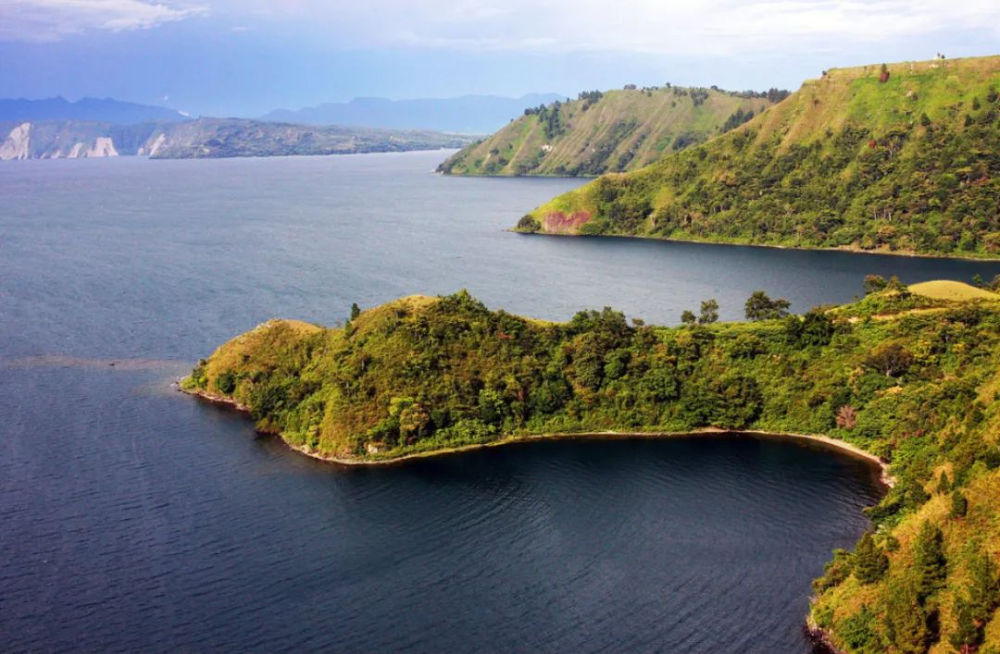
The Gayo Mountains in the Lake Tawar area are one of the key producing regions for Lintong Mandheling. Cultivation here is primarily managed by the Gayo and Mandailing peoples, with widespread use of organic farming methods. Thanks to superior geographical conditions and long-standing cultivation experience, the coffee produced in this area not only maintains stable quality but also boasts rich regional characteristics. Meanwhile, PWN (Pwani Coffee Company) plays a significant role in Sumatra’s coffee industry, specializing in sourcing high-quality Mandheling green beans and ensuring each bean meets premium standards through a strict sorting process.
The Mandheling series from the relevant brand—especially Lintong Mandheling and PWN Golden Mandheling—are medium-dark roasted to preserve the bold flavors characteristic of Mandheling while showcasing layers of black chocolate, roasted hazelnuts, and caramel. Golden Mandheling, having undergone multiple hand sorts, has an extremely low defect rate and a smoother, cleaner taste, making it suitable for both novice and experienced coffee drinkers looking to explore high-quality Mandheling.
Indonesia’s wet-hulling process is a unique method developed in response to the region’s high humidity and frequent rainfall. Typically, Indonesia’s annual average humidity ranges from 70% to 90%, with annual rainfall exceeding 2000 millimeters, making traditional sun-drying and washed processing difficult to implement. The wet-hulling process begins with removing the coffee cherry’s skin and pulp, followed by a short fermentation period of a few hours to remove some of the mucilage. The parchment-covered beans are then dried to a moisture content of 30% to 40%, taking about 2 to 3 days, before being sent to market for trade. Buyers then hull these semi-dried parchment beans, during which friction forcefully removes the silver skin layer. Due to the moisture and pressure, the beans are prone to surface damage and a grayish-green appearance—a phenomenon commonly known as “elephant dung” beans in Indonesian coffee.
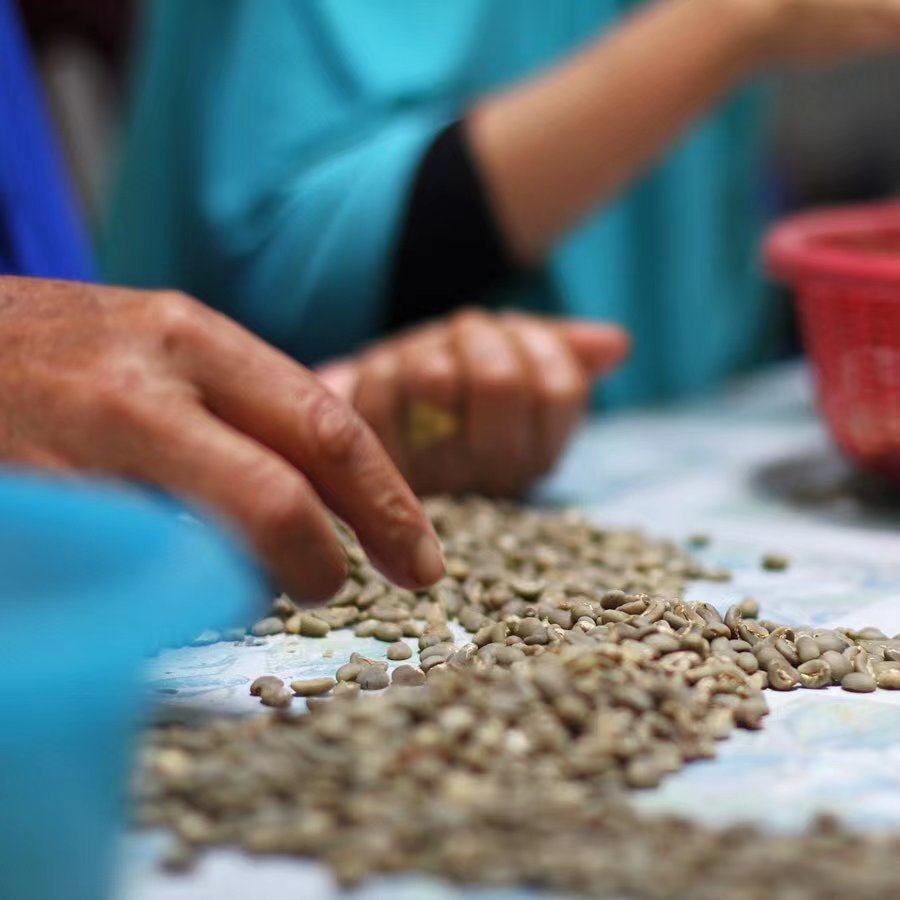
Although this processing method may seem rough, it unexpectedly imparts intense woody, spicy, and herbal aromas, becoming an indispensable part of Mandheling’s flavor profile. If you haven’t yet experienced the unique charm of Indonesian Mandheling, consider starting with a small pack of Lintong Mandheling. This everyday coffee also uses the wet-hulling method, allowing you to easily enjoy the classic Mandheling flavor profile at home.
PWN’s sorting system includes one mechanical round and three rounds of hand-picking, retaining only plump, defect-free green beans, resulting in coffee considered premium-grade. Their flagship “Golden Mandheling” is a classic representation, not only offering a clean taste and high sweetness but also being recognized as the authentic Golden Mandheling due to its brand registration. The Golden Mandheling used by the supplier is the genuine product from PWN, processed using Sumatra’s unique wet-hulling method, which gives it a distinct flavor character.
For specific parameters, it’s recommended to use 15 grams of coffee grounds with a 1:15 coffee-to-water ratio, ground to a size where approximately 70% passes through a Chinese standard No. 20 sieve—comparable to the texture of medium-coarse sugar. Water temperature should be controlled at 87–88°C to reduce the risk of over-extraction while highlighting the aromas of black chocolate, roasted hazelnuts, and caramel. Use a three-stage pouring method: the first stage involves pouring 30 grams of water for a 30-second bloom, the second stage uses a slightly higher flow rate to pour 95 grams, and the third stage uses a finer stream to pour 100 grams, with a total water volume of about 225 grams and an overall extraction time of around 2 minutes.
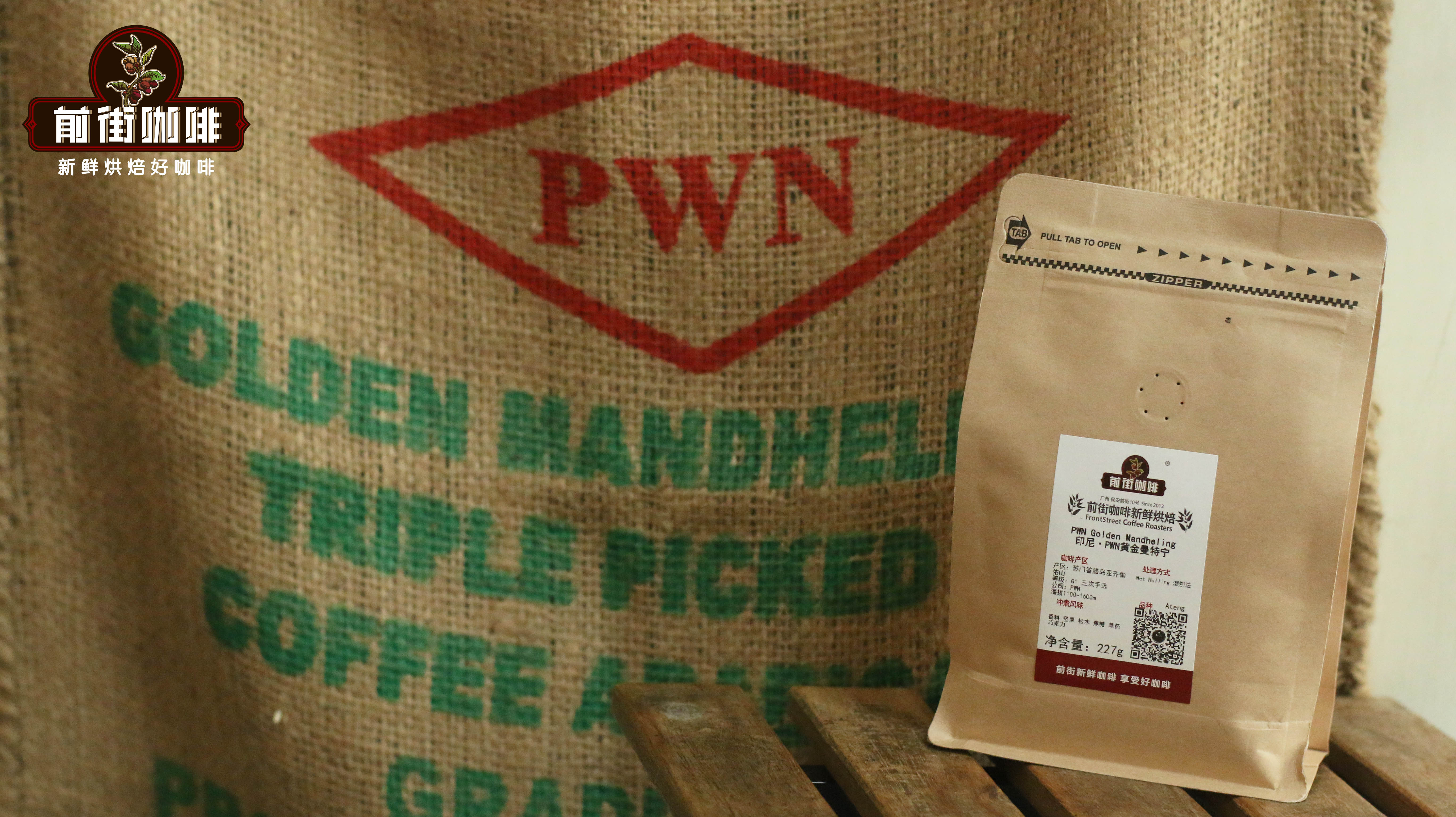
With this brewing method, Golden Mandheling will showcase a rich aroma of black chocolate, accompanied by roasted hazelnuts, caramel, and mildly sweet melon-like flavors. The taste is bold yet clean, with a lingering spicy finish—making it a premium coffee worthy of careful savoring. Whether you’re a beginner or an experienced coffee enthusiast, this Golden Mandheling from Sumatra offers a unique tasting experience.
The above content is compiled by CoffeeHunters, a coffee news website.


