







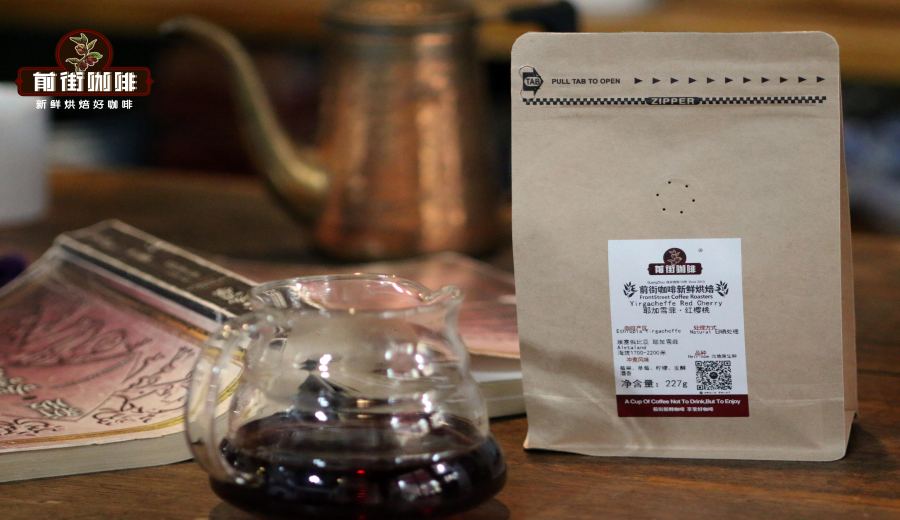
Introduction:Yirgacheffe is Ethiopia’s most iconic high-altitude specialty coffee region, renowned for its bright citrus acidity and delicate floral notes. This article will take you deep into its geographical terroir, key processing methods, and provide practical V60 pour over parameters along with a three-stage pouring technique to help you easily brew a clean, refreshing, and layered Yirgacheffe coffee at home.
Yirgacheffe is not only a famous coffee region in Ethiopia but also a flavor sanctuary in the hearts of global specialty coffee enthusiasts. The coffee produced here is known for its unique citrus acidity and intricate floral aromas, especially the two processing methods—washed and natural—each delivering distinctly different flavor profiles. If you prefer coffee with a clean, bright acidity and a layered, refreshing taste, Yirgacheffe is definitely worth a try.
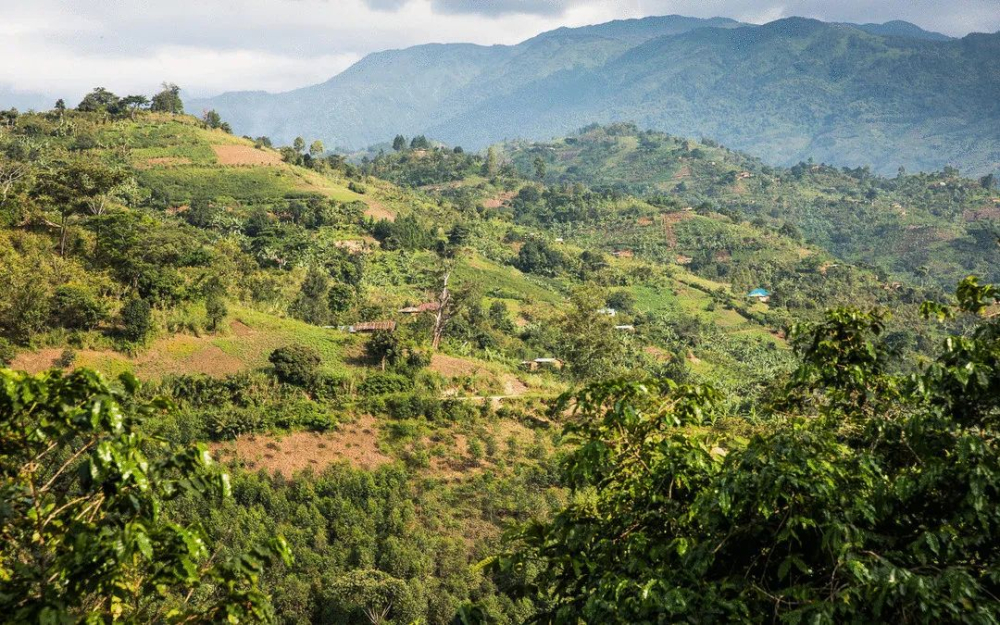
Located in southern Ethiopia, Yirgacheffe was originally part of the Sidamo region but was later elevated to an independent producing area due to its exceptional coffee quality and unique flavors. The region is home to many well-known micro-regions such as Wocha, Kochere, Guji, and Gedeb, and benefits from an average altitude between 1,700 and 2,100 meters. This elevation allows coffee cherries to ripen slowly, resulting in rich accumulation of flavor compounds.
The coffee harvest season here generally runs from October each year to January of the following year. Local farmers typically hand-pick red cherries from hillsides and backyards, then send them to cooperatives for further processing. Among these, the “Kochere Cooperative” in the Wocha region is a representative small-scale producer organization, with around 300 farmer members. Its washed coffee beans are celebrated for their clean, bright citrus and lemon tones, paired with subtle jasmine floral notes, winning favor among many coffee lovers.
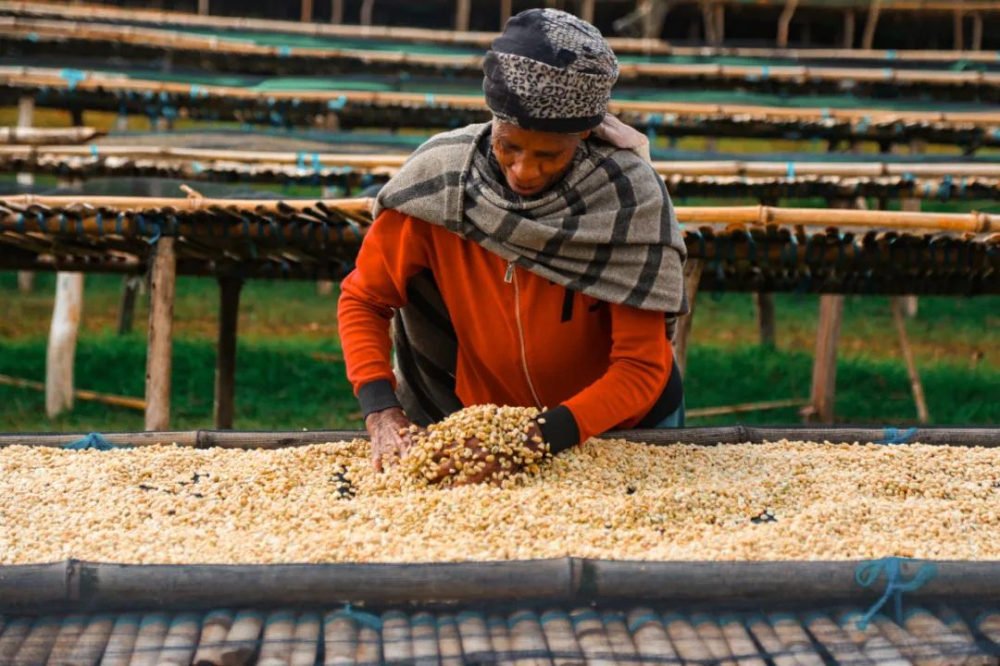
Traditional natural processing usually involves placing harvested coffee cherries directly in open environments to dry until their moisture content drops to 12%. However, this method can easily introduce off-flavors such as earthiness, over-fermentation, or rotten fruit. To address these issues, Ethiopia later introduced washed processing techniques from Central and South America. Through steps such as pulp removal, fermentation, washing, and drying, this method effectively reduces defective flavors, resulting in clearer acidity and more pronounced aromas in the coffee.
For beginner coffee enthusiasts, washed Yirgacheffe is an excellent choice. Most are roasted to a medium-light level, making them suitable not only for pour over but also compatible with devices like cold brew and French press. They showcase the classic bright acidity and fruity-floral notes of Yirgacheffe. Many brands offer entry-level bean series sold in small packages—these are not only affordable but also help reduce flavor loss caused by improper storage, making them ideal for daily practice of pour over techniques.
On the other hand, while natural processing was once considered less reliable due to quality control challenges, today’s techniques have significantly improved, especially in the selection of ripe cherries and the uniformity of drying. Well-executed natural Yirgacheffe often features richer tropical fruit notes such as blueberry, mango, and even wine-like fermentation tones, making it an ideal choice for coffee drinkers who enjoy bold flavors and pronounced sweetness.
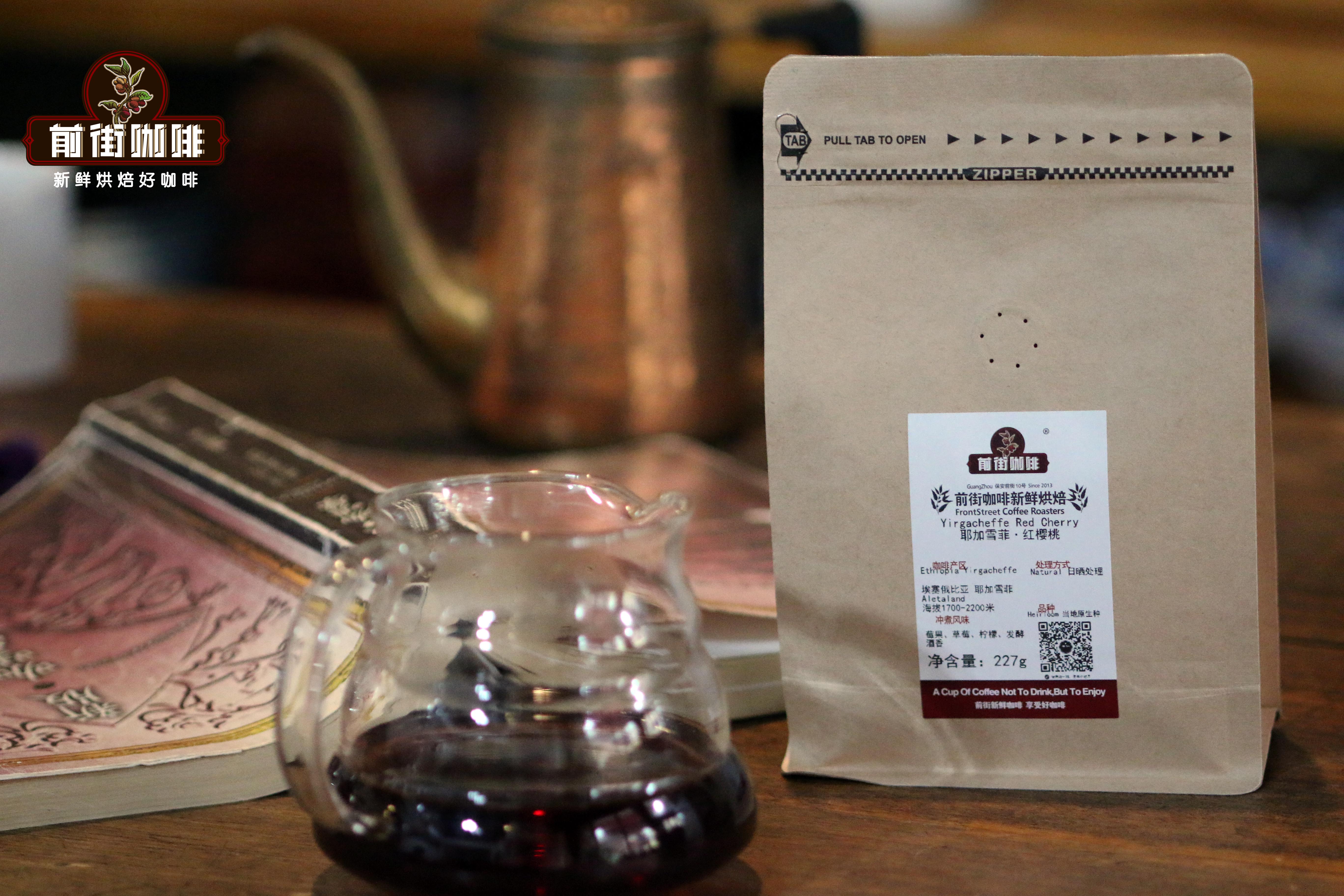
However, some consumers may find that when brewing Yirgacheffe at home, they only taste sharp acidity without experiencing the rich layers and aromas found in cafés. In fact, each bag of coffee beans usually comes with dedicated brewing recommendations, including suggested grind size and water temperature. Scanning the QR code on the packaging provides quick access to these tips, helping avoid common mistakes.
For light-roasted Yirgacheffe beans, it is recommended to use hot water at 92–93°C to fully activate their floral and fruity aromatic compounds. In terms of grind size, a medium-fine grind is advised—approximately 78% through a Chinese standard No. 20 sieve, similar in coarseness to fine sugar. This helps achieve a balanced extraction of moderate acidity, sweetness, and body. If the grind is too coarse, under-extraction may occur, resulting in a thin and underwhelming cup; if too fine, over-extraction at high temperatures might lead to bitterness and astringency.
It is recommended to use a V60 filter cone for pour over. Specific parameters are as follows: 15 grams of coffee, a 1:15 coffee-to-water ratio, and a total brew water volume of about 225 grams. Use a three-stage pouring technique: first, pour double the coffee’s weight in water (about 30 grams) for a 30-second bloom to help the coffee grounds expand and release aroma; second, pour water in small streams in a circular motion from the center outward until reaching 125 grams, then pause and let the coffee bed descend to the middle of the filter; finally, continue pouring up to 225 grams, completing the entire process in about 2 minutes. Once the coffee has completely dripped through, gently swirl the server to mix, then start tasting from high temperature to enjoy its fresh citrus, lemon, and green tea notes. As the temperature drops, you’ll also notice lingering flavors of berries, cream, and cane sugar. The overall cup is clean, refreshing, and sweet with a notable aftertaste.
In summary, Yirgacheffe is not only a flagship of Ethiopian specialty coffee but also a top choice for many newcomers entering the world of specialty coffee. Whether you prefer the clarity of washed acidity or the richness of natural fruitiness, mastering the characteristics of each processing method and the right brewing parameters will allow you to enjoy a vibrant, layered Yirgacheffe pour over coffee at home.
The above content is compiled by CoffeeHunters, a coffee news website.


