







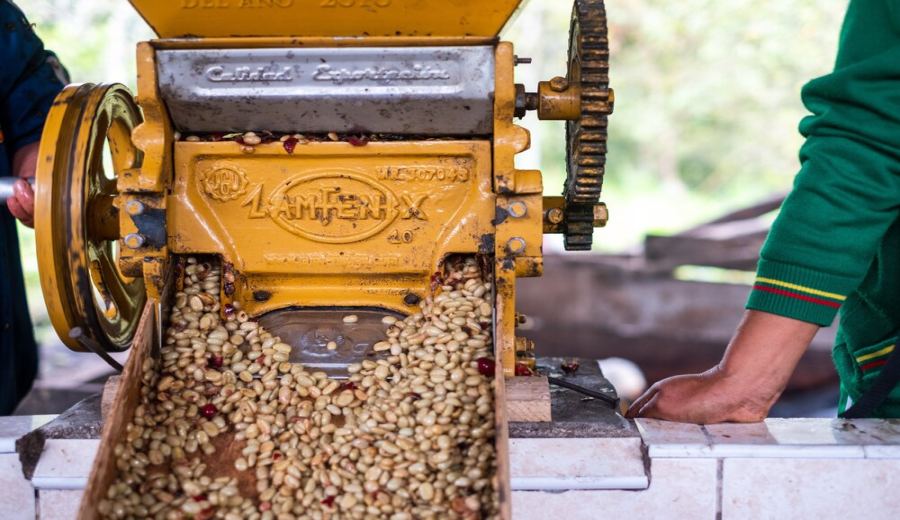
Introduction:Yirgacheffe and Sidamo in Ethiopia are two holy grails in the hearts of specialty coffee enthusiasts worldwide. Although both belong to Ethiopia’s high-altitude core producing regions, their distinct microclimates, varieties, and processing methods present vastly different flavor profiles. This article delves into a comparison of the geographical environments, altitude conditions, and coffee characteristics of these two regions, and selects representative natural and washed processed beans. It provides practical flavor descriptions and brewing references to help you find your own Ethiopian coffee enlightenment.
When it comes to Ethiopia’s specialty coffee map, Yirgacheffe and Sidamo are almost two classic regions that every coffee lover will encounter. Both are renowned for their high altitudes and rich floral-fruity profiles, yet they each have their own unique charm. Yirgacheffe is known for its bright citrus aroma and delicate floral notes, making it ideal for those who prefer a refreshing taste; while Sidamo offers a more diverse range of flavors, from berries to honey, and even a touch of wild body, catering to coffee enthusiasts who enjoy exploring complex flavors. This article will take you on an in-depth journey into the backgrounds, natural conditions, and variety features of these two regions, and recommend several representative single-origin beans. Whether you’re just starting out or looking for new inspiration, you’re sure to gain valuable insights.
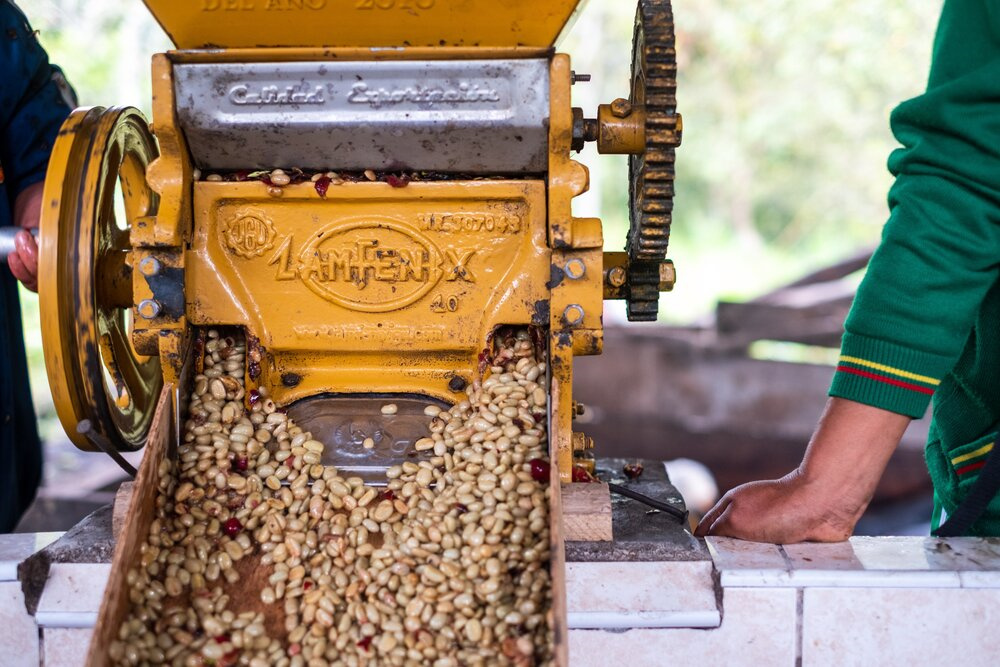
Yirgacheffe is part of the Gedeo Zone in southern Ethiopia. Originally, it was part of the larger Sidamo region, but due to its distinctive flavor profile, it was designated as a separate producing region in the 1990s. Interestingly, although named after a small town, Yirgacheffe as a coffee region actually encompasses multiple legally defined areas, including Wenago, Kochere, and Gelana Abaya. The elevation here generally ranges around2000 meters, placing it in a typical high-altitude growing zone. Coupled with significant diurnal temperature variations, stable rainfall, and fertile soil, it creates an optimal environment for cultivating Arabica coffee. In particular, the local 'Kurume' variety is a native cultivar that has evolved over time in the region, exhibiting strong terroir-driven flavor characteristics.
Among the many coffees from the Yirgacheffe region,the Kochere Gedeb Guji cooperativehas long been a go-to choice for many pour over enthusiasts with its sun-dried beans. Located in the Wolkite area southeast of Yirgacheffe, it was originally part of the Wolkite cooperative until 2012, when around 300 farmers established their own cooperative, emphasizing traceability and single-village production. They employ both traditional sun-dried and washed processing methods. Their sun-dried beans often feature pronounced citrus and black tea foundations, with layers of cream, caramel, and almond aromas unfolding as the cup cools. The cup is clean with a sweet, lingering finish—perfect for coffee lovers who enjoy bright, refreshing profiles.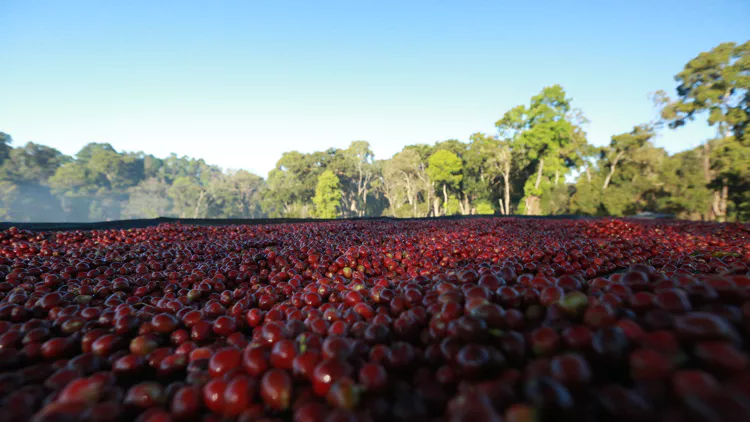
If you prefer more intense fruitiness, Red Cherry is also a highly representative option. These beans come from the Aritlelan washing station in the Yirgacheffe region and are processed usinghigh-altitude (around 2300 meters) sun-dryingwith Ethiopian heirloom varieties. Flavor-wise, Red Cherry typically showcases citrus, berry, and fruity fermentation notes, along with honey-like sweetness and a creamy texture. It delivers rich layers whether brewed hot or cold, making it ideal for coffee fans eager to experience Ethiopia’s tropical fruit character.
Turning to the Sidamo region, located in southern Ethiopia bordering Kenya, its elevation ranges between1400 and 2200 meters. The terrain is varied, including plateaus, valleys, and plains. With fertile volcanic soils and good drainage, it offers diverse microclimates and growing conditions. Sidamo’s coffee varieties are predominantly heirloom types, and differences in processing methods mean that even coffees from the same region can display markedly different flavor profiles. Common traits of this region’s coffee include bright acidity, berry and floral notes, along with a hint of unique wild body. It enjoys international acclaim and received CR scores as high as 92 to 94 between 2010 and 2012.
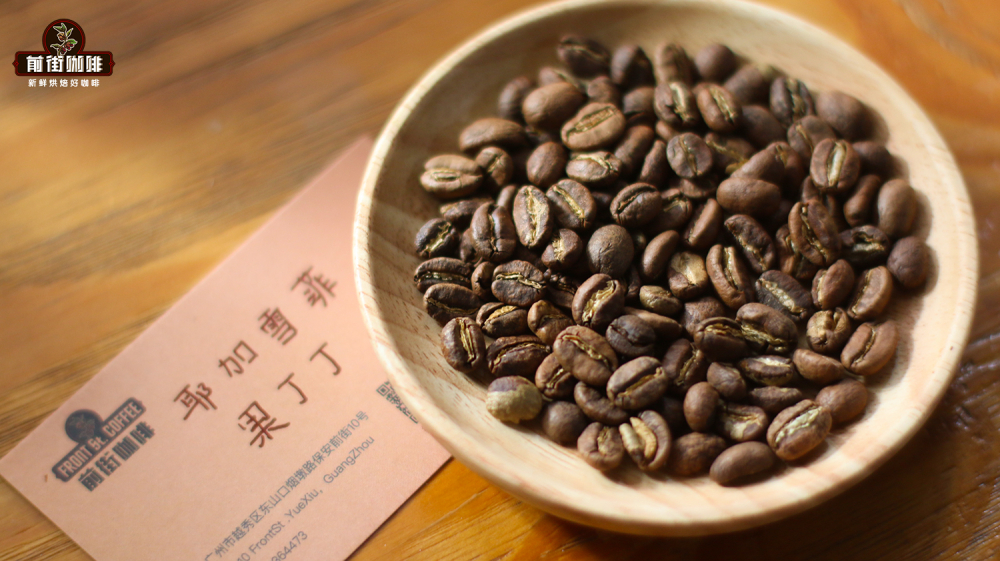
For a taste of classic Sidamo character, the Huakui coffee bean is not to be missed. These beans come from the Buku Able washing station in the Guji region, grown at elevations of2250 to 2350 metersand also processed using the sun-dried method with Ethiopian native varieties. Huakui is famed for its intense strawberry, passion fruit, and citrus aromas, paired with a soft black tea note. Its round body and layered profile have earned it the title of the “jack of all trades” in the coffee world, performing consistently across various brewing methods. It’s perfect for anyone looking to explore classic Sidamo flavors.
Additionally, the Hamasho Washing Station has emerged as a rising star in Sidamo in recent years. Located in Hamasho Village, north of Bensa town, “Hamasho” means “snake” in the Sidamo language, symbolizing strength and spirit. The area benefits from high altitude and fertile organic soils, and continues traditional sustainable farming practices, using plant residues as natural fertilizer to produce coffee with intense flavors and excellent sweetness. Their Hamasho sun-dried beans usethe 74158 variety, grown at an altitude of around1920 to 2020 meters. Flavor notes commonly include tropical fruits such as strawberry, guava, sweet orange, honey, and green grape. With high sweetness and rich layers, these beans are a must-try for coffee lovers who enjoy sweet fruitiness and full-bodied mouthfeel.
The above content is compiled by CoffeeHunters, a coffee news website.


