







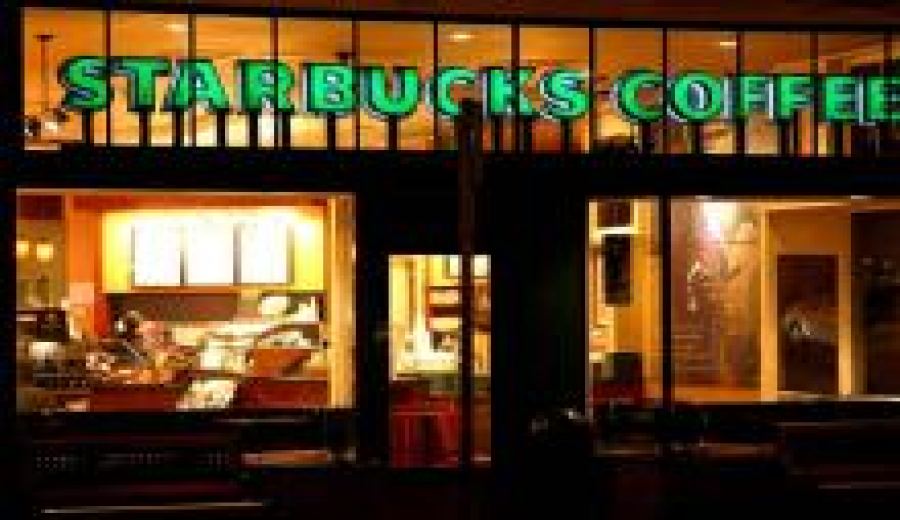
Introduction:As a globally renowned coffee chain brand, Starbucks’ success is not solely due to the quality of its coffee, but also stems from its unique consumer experience and cultural operation strategies. This article will delve into how Starbucks achieves its premium pricing strategy and brand premium in markets such as China through brand building, service innovation, and market layout. It will also explore the background of its previous price increases and consumer reactions, while providing practical references for purchasing and tasting coffee.
Starbucks is one of the most iconic global coffee chain brands. Its success is not only built on the coffee products themselves, but also originates from its meticulously crafted “third place” experience and consistent brand culture. As part of many people’s daily lives, Starbucks is not just a place to buy coffee, but also a symbol of a lifestyle.
The brand was founded in the United States in the 1970s, with its initial inspiration drawn from a character in a classic novel. Later, it was given a new meaning by three founders, transforming it into a coffee brand that represents the American spirit and modern urban life. Today, Starbucks has become a choice that embodies both fashion and taste for many young consumers.
Starbucks’ brand culture revolves around “people” and “knowledge.” Its stores are not just points of beverage supply, but also spaces for knowledge exchange and social interaction. Uniquely, Starbucks does not rely heavily on mass advertising; instead, it shapes its brand image through store design, employee training, and cultural events. For example, it has sponsored the Shanghai Dalí Art Exhibition and the APEC conference, reinforcing its high-end brand image through art and international events.
In-store, employees are called “partners,” who are not only familiar with the characteristics of each type of coffee, but can also provide professional recommendations based on customer needs. This people-oriented service model allows consumers to feel the brand’s attention to individuals while enjoying their coffee. In addition, the store decoration style is globally consistent, with local cultural adjustments made to create an environment that is both familiar and tailored to local needs.
Starbucks’ commitment to coffee quality is also remarkable. From the selection of coffee beans, control of roasting levels, to the final brewing presentation, every step has strict standards. Its tasting team evaluates over 100,000 cups of coffee annually to ensure each product showcases its unique flavor. This dedication to quality is key to Starbucks maintaining a consistent reputation globally.
Speaking of Starbucks’ performance in the Chinese market, its clever use of the “third place” concept cannot be overlooked. In the busy urban lifestyle, Starbucks provides a comfortable space between home and the office, complemented by soft music, stylish publications, and refined furnishings, successfully attracting a consumer group that pursues quality of life. Additionally, interactive services like “coffee classes” not only enhance customer engagement but also deepen the emotional connection between the brand and its consumers.
In terms of pricing, Starbucks’ pricing in China is significantly higher than in European and American markets. A 12-ounce medium cup of coffee generally sells for about 30 RMB domestically, while the same product costs only 1 to 2 USD in the United States. This price difference reflects not only the cost structure but also the brand positioning. Starbucks targets white-collar workers and middle-to-high-income groups in China, establishing a “light luxury” position that creates a high-quality, high-service consumption experience, successfully making customers willing to pay for the brand premium.
In 2012, Starbucks adjusted the prices of manually brewed coffee in its mainland China stores, raising the price of each cup by 1 to 2 RMB. The main reason was the increase in operating costs, including raw materials, labor, logistics, and rent. This move reflected the brand’s dual consideration of profit and service quality while expanding. In fact, compared to the affordable breakfast options provided by fast-food brands like McDonald’s and KFC, Starbucks chose a high-end route—not just selling coffee, but also selling a lifestyle attitude.
In addition, Starbucks has demonstrated a highly strategic approach to market expansion. Beyond store sales, the brand later entered supermarket channels, bringing instant and packaged coffee products into more homes and expanding its brand reach. Although this move was once questioned, it ultimately proved to be an effective way to increase market share and brand visibility.
In summary, Starbucks’ success is not just about coffee, but the comprehensive result of brand, culture, service, and strategy. For consumers, understanding its brand background and pricing logic helps make more rational choices for their ideal coffee experience. At the same time, it offers valuable insights into brand management, providing practical reference value for both industry professionals and coffee enthusiasts.
The above content is compiled by CoffeeHunters, a coffee news website.


