







Introduction:Blended coffee is a common bean combination method used by professional baristas, effectively stabilizing flavors and enhancing overall taste. This article delves into the definition of blended coffee, the differences between pre-roast and post-roast blending, the pairing logic of different origins and varieties, and analyzes the blending concepts and resting recommendations in practical cases. It also provides the formula characteristics and pour over parameters of four classic espresso blends to help readers understand the application and value of blended beans from multiple perspectives.
Many people, when visiting a coffee shop for the first time, see baristas mixing beans from different origins and can’t help but wonder: “Why not just use single-origin beans?” This product, made by blending two or more types of coffee beans in specific proportions, is what we call blended coffee, also known as mixed coffee. Blending is not just a simple mix, but a technique that emphasizes flavor harmony and market demand, especially important when making espresso.
Blended coffee refers to the harmonious combination of coffee beans from different origins, varieties, and even different roast levels, according to certain proportions. For example, if you mix Ethiopian Yirgacheffe, which has bright citrus notes, with Indonesian Mandheling, which has strong herbal and earthy flavors, in a 1:1 ratio, you might end up with a coffee that has extremely unbalanced flavors. Therefore, blended coffee is not just about “mixing together,” but rather a scientific and creative combination based on a thorough understanding of each bean’s characteristics.
The origin of blended coffee can be traced back to Italy. The popular espresso there requires a rich and stable base flavor, and single-origin beans often have overly prominent or singular flavors that struggle to meet the demands of large-scale, consistent production. As a result, blended beans became the solution—reducing costs while ensuring that the taste and aroma of each cup remain at a certain standard. Additionally, since coffee is an agricultural product, annual climate variations can affect its flavor profile. Blending helps effectively balance these changes, ensuring consistency in yearly production.
Blending methods can generally be divided into “pre-roast blending” (生拼) and “post-roast blending” (熟拼). Pre-roast blending involves mixing different coffee beans before roasting, then roasting them all to the same degree. The advantage of this method is that it maintains flavor consistency and reduces quality control challenges, but it requires that the beans involved have similar densities; otherwise, it may affect the final extraction performance. In contrast, post-roast blending means roasting each type of bean to its optimal state individually, then blending them in proportion. This approach fully highlights the unique characteristics of each bean but requires stricter management of roast dates and resting plans.
Beyond pre- and post-roast blending, blending strategies can also be planned according to origin or variety. For example, some blends combine beans from Central and South America with those from Africa to merge bright, fruity acidity with rich, nutty tones; others mix different varieties, such as Geisha and SL28, to highlight the unique expressions of specific types. However, sometimes mixing different batches of the same variety is also referred to as blending, often for commercial or flavor-oriented reasons.
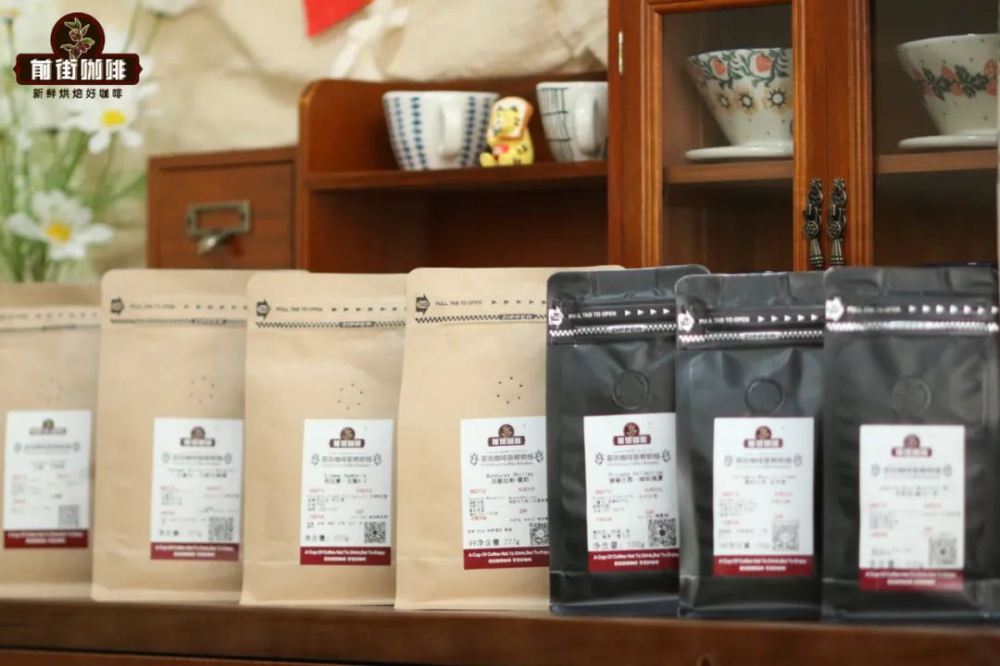
In practical applications, the recipes of blended coffee often undergo multiple adjustments and tests to achieve the ideal flavor balance. Below are four common examples of espresso blends and their characteristics: The first is a blend of Brazilian and Colombian beans, offering a mild bitterness and sweetness with moderate acidity, suitable for daily café use; the second is a commercial blend with 10% Robusta, which increases crema and richness, enhancing caramel and dark chocolate flavors—ideal for milk-based drinks like lattes; the third is a dark cocoa blend combining Brazilian and Yunnan beans, featuring soft fruit acidity and a mellow chocolate finish, offering good value and suited for beginners or cost-focused shops; the last is a blend with warm roasty aromas, suitable for consumers who prefer stable flavor profiles.
For pour over enthusiasts, blended beans are also suitable, though the flavor profile will differ from espresso. It’s recommended to use a Kono filter, with around 15 grams of coffee, water temperature controlled at 90°C, and a brew ratio of 1:15. The grind size should be slightly coarser than for espresso, around 80% through a 20-mesh sieve. Specifically, you can use a multi-pour method: start with a 30-second bloom using 30 grams of water, then pour in a small circular motion until reaching 125 grams for the first pour, wait for the water level to drop, then pour up to 225 grams, and finally remove the filter just before the water level exposes the coffee bed. The total brew time is about 2 minutes.
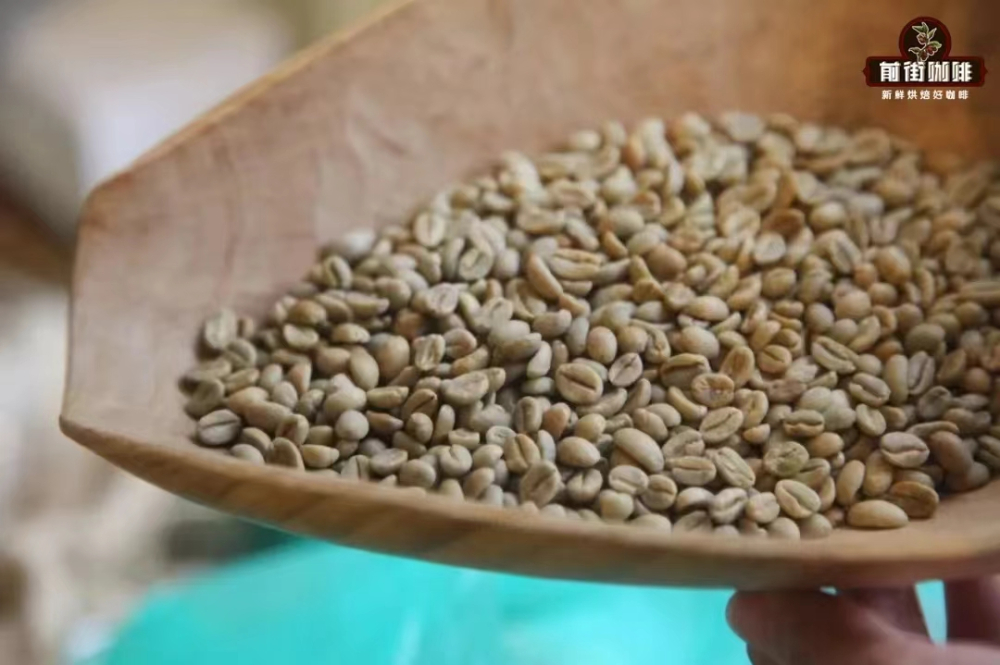
Resting time is also a crucial factor affecting the flavor of blended coffee. Generally, freshly roasted coffee beans release a large amount of carbon dioxide after coming out of the roaster, and it takes a period of “resting” for the flavors to fully develop. Most blended beans are recommended to rest for 3–7 days after roasting, with the exact duration adjustable based on roast level and blend formula. Using them too early may result in closed-off flavors, while waiting too long may cause loss of aroma and the vibrancy of acidity.
In summary, blended coffee is not just the domain of commercial coffee—it’s also an important area where baristas showcase creativity and skill. Whether for stable production, enhanced flavor layers, or meeting the taste preferences of different consumers, blending plays an indispensable role. For coffee enthusiasts, understanding the logic and techniques behind blending can also help you make more informed decisions when selecting beans and brewing, allowing you to enjoy a more diverse and profound coffee experience.

The above content is compiled by CoffeeHunters, a coffee news website.


