







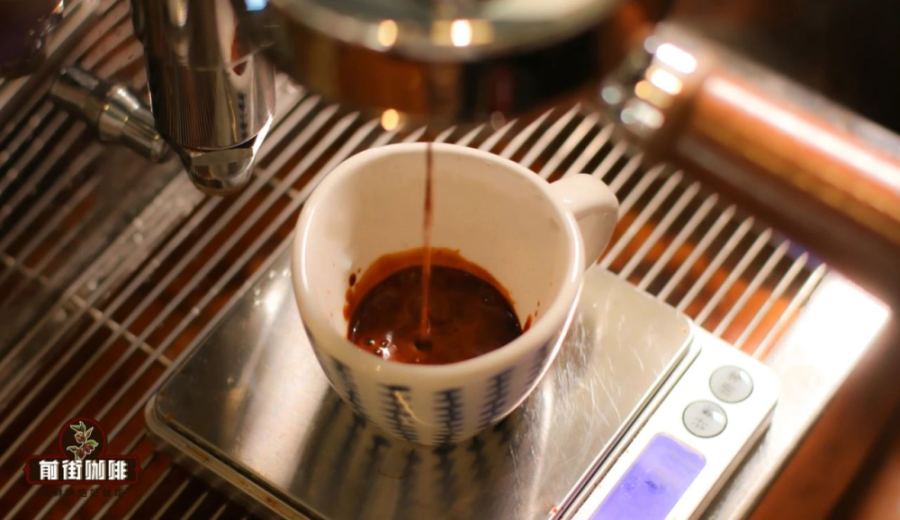
Introduction:Although both Americano and espresso belong to the black coffee category, they exhibit distinctly different flavor profiles due to variations in brewing methods and extraction ratios. This article delves into the core differences between the two, exploring everything from brewing principles and the impact of roast levels on flavor, to the cultural backgrounds of their historical origins. It also includes practical details such as common misconceptions and tasting tips, helping readers fully understand the characteristics and selection criteria of these two classic coffees.
Although both Americano and espresso are coffee beverages, they differ significantly in flavor and mouthfeel. In terms of brewing methods, Americano can be divided into two main types: one is black coffee extracted directly via drip filtration, and the other is espresso diluted with hot water. The latter is more commonly seen in the market today. By adjusting the ratio of espresso to water, a fresher and more layered flavor can be achieved—this is the most fundamental distinction between the two.
The habit of drinking coffee in the United States is almost integrated into daily life, whether at home, in the office, or by street vending machines—the aroma of coffee is everywhere. For efficiency-driven Americans, coffee is a tool for quick stimulation, which is vastly different from the leisurely way Europeans enjoy it. That’s why the U.S. remains the world’s top coffee consumer, and Americano has thus become the most representative everyday drink.
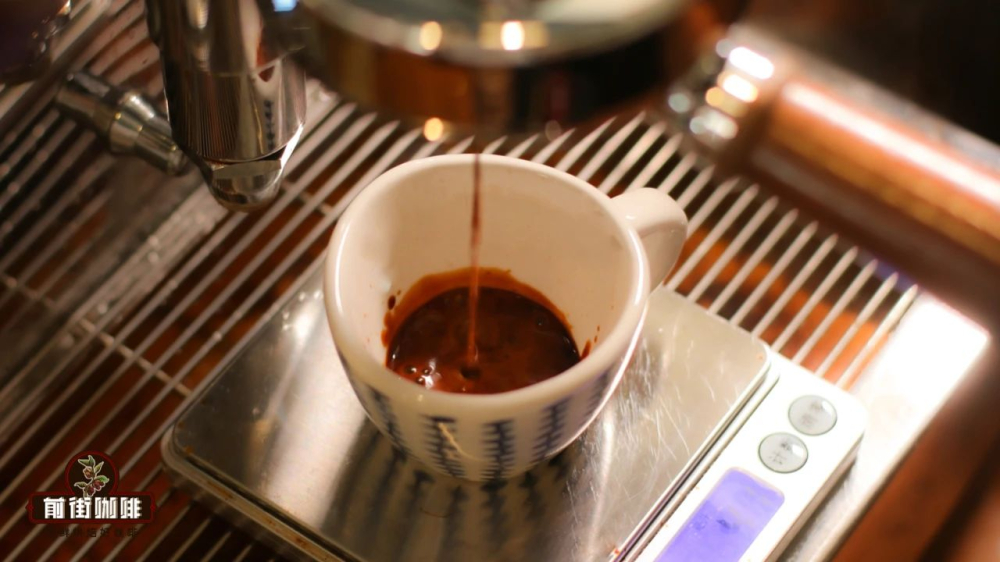
In Italian, Americano is called Caffè Americano, typically referring to a drink made by adding hot water to espresso. However, in New Zealand and Australia, the method is slightly different: they let the espresso machine continue to pour until a full cup of black coffee is formed. This is known as a "long black." Historical records suggest that the popularity of Americano can be traced back to World War II, when American troops stationed in Europe sought to recreate the flavor of their hometown drip-filtered black coffee by diluting espresso with hot water. Although Europeans were rather dismissive of it—some even mocking its flavor as “jus de chaussette” (sock juice)—this only highlighted the uniqueness of Americano.
Numerous factors influence coffee flavor, including bean variety, roast level, grind size, coffee-to-water ratio, and extraction time. Among these, the inherent characteristics of the coffee beans have a particularly significant impact on Americano. If using a drip coffee maker at home, you can experiment with light, medium, and dark roasts. Light roasts often exhibit pronounced floral and fruity aromas—for instance, high-quality light-roast beans may carry complex notes of strawberry, passionfruit, and citrus—but under-roasted beans might present overly sharp or unpleasant herbal flavors. Medium roasts emphasize balance, offering a clean and smooth mouthfeel. For example, some medium-roast beans from certain regions may showcase floral and nutty tones. Dark roasts, due to longer roasting times, often feature rich chocolate and caramel flavors, making them suitable for those who prefer a bold and full-bodied taste.
It’s worth noting that modern Americano is usually made with espresso as the base, then diluted with hot water. Espresso is generally roasted darker, having gone through a second crack, resulting in lower acidity and a fuller flavor. Even after adding water, it retains a certain level of intensity. For instance, some blended beans, when dark roasted, can develop wine-like aromas and sweet notes—characteristics that are especially noticeable in Americano. Additionally, factors such as brewing water temperature and ratio also affect the final flavor. It’s recommended to keep the hot water temperature between 90–96°C, and the espresso-to-water ratio can be adjusted according to personal preference, with common proportions being 1:2 to 1:3.
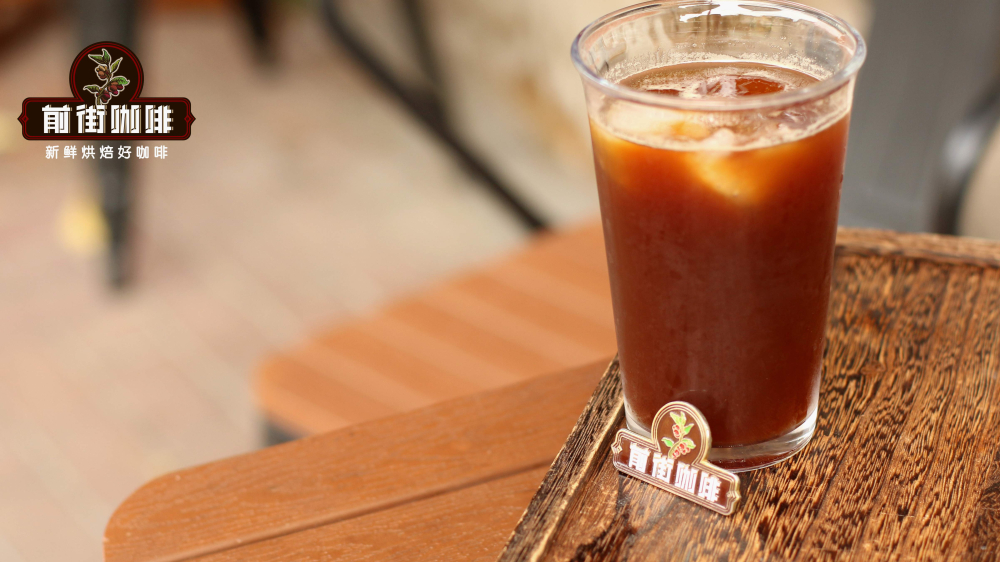
The main difference between Americano and latte lies in the addition of milk. Latte replaces the base of Americano (whether water or espresso) with milk, resulting in significantly higher calories and sweetness. If weight loss is your goal, Americano is undoubtedly the better choice—it contains no additional calories and provides moderate caffeine stimulation. Moreover, studies have shown that moderate consumption of black coffee can help reduce the risk of Alzheimer’s disease, improve mood, promote fat burning, and offers antioxidant benefits. However, excessive intake may lead to insomnia or mood swings, and low-quality coffee may even contain harmful substances. Therefore, selecting high-quality beans and controlling consumption is crucial.
When tasting Americano, you can follow these steps: first, observe the color and crema layer of the coffee; then, gently sniff the aroma released by the hot coffee, noting its floral, nutty, or chocolatey notes; next, take small sips to allow the coffee liquid to evenly contact your taste buds, paying attention to the balance of acidity, sweetness, and aftertaste. If the Americano is made by adding hot water, notice whether its layers are distinct; if it’s made by diluting espresso, assess the continuity of flavor after dilution. Through careful tasting, you can gain a deeper understanding of how different roast levels and brewing methods influence flavor.
In summary, Americano and espresso each have their unique strengths—the former excels in freshness and versatility, while the latter emphasizes intensity and layering. No matter which you choose, understanding the brewing principles and flavor characteristics behind them can help coffee enthusiasts find the drink that suits them best. By experimenting with different roast levels and brewing ratios, you can uncover the endless possibilities of black coffee.

The above content is compiled by CoffeeHunters, a coffee news website.


