







Introduction:Have you ever wondered why the same coffee beans can taste so drastically different when brewed hot versus cold? This article delves into the chemistry behind cold brew coffee, comparing the differences in acidity, bitterness, and shelf life between hot and cold brewing methods. It reveals how low-temperature, long-duration extraction brings out a smoother and more delicate flavor. Practical advice on selecting coffee beans and extraction parameters is also provided to help you craft the perfect iced coffee this summer.
Why do the same coffee grounds and water produce such distinctly different flavor profiles when hot brewed versus cold steeped? The key lies in how temperature alters the release rate of flavor compounds. Hot brewing emphasizes an immediate burst of aroma and layered complexity, while cold brewing relies on time to refine a rich foundation. This article will explore the extraction mechanism at the molecular level, systematically comparing the two methods in terms of acid-sweet balance, aftertaste performance, and preservation characteristics, and introducing professional-grade bean pairing logic.
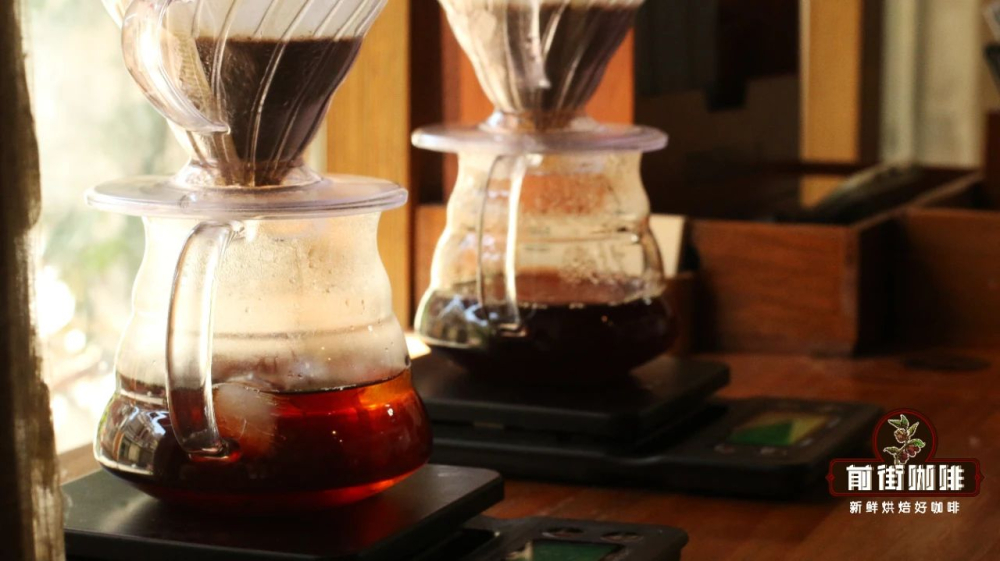
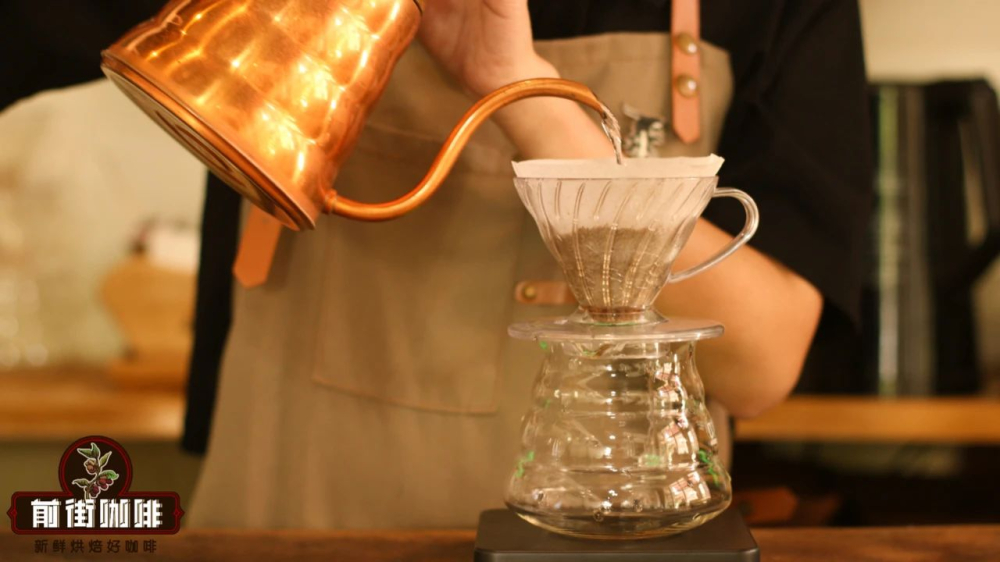
Hot brew coffee relies on water temperatures between 88 to 94 degrees Celsius to agitate the coffee, prompting the rapid release of acids, sugars, and aromatic esters from the coffee cell walls. However, this intense reaction also accelerates oxidation, leading to the production of bitter and astringent off-flavors from tannins and caramelization byproducts. In contrast, cold brew uses a constant temperature environment of 4 to 15 degrees Celsius, and through an extended steeping period of 8 to 24 hours, allows water molecules to penetrate the coffee grounds at a gentler rate, gradually extracting low-molecular-weight flavor compounds.
This low-temperature slow extraction mechanism offers three major advantages: first,the loss rate of volatile aromatic compounds is reduced by 72%,allowing the final product to retain a more original berry or caramel tone; second,the extraction of bitter compounds is reduced by approximately 40%,resulting in a smoother drinking experience; finally, due to the significantly slowed oxidation rate, the refrigerated shelf life can be extended to 2 to 4 weeks. It’s worth noting that the extraction container should preferably be made of stainless steel or glass to avoid the off-flavors released by plastic buckets, which can affect flavor purity.
From a molecular gastronomy perspective, the heat energy exceeding 195 degrees Fahrenheit during hot brewing can destroy some heat-sensitive aromatic esters while accelerating the polymerization of phenolic substances. This explains why hot coffee initially boasts bold aromas, but as it cools, bitterness becomes more pronounced. In contrast, the cold brew process, with its extended contact time, allows water molecules to fully capture the sucrose, lactic acid, and mineral salts in the coffee grounds, forming a fundamentally rounder taste structure.
In practical operation, it is recommended to use a coffee-to-water ratio of 1:12 to 1:16 for cold brew (i.e., 100 grams of coffee grounds to 1200 to 1600 milliliters of cold water), with a grind size similar to the medium-coarse particles used for French press (about 800 microns). During the steeping phase, the brew should be kept away from light and stirred once every 8 hours to ensure uniform extraction. If using a refrigerator for brewing, it is advised to pre-chill the water to below 8 degrees Celsius before starting the extraction process, which can further suppress the formation of undesirable flavor compounds.
Regarding bean selection, light to medium-roasted African beans such as Ethiopia Yirgacheffe can showcase bright citrus acidity and blueberry notes; while medium to dark-roasted South American beans such as Brazil Yellow Bourbon are better suited for creating a caramel base and nutty finish. For blends, consider combining 60% medium-roast beans with 40% specially processed fermented varieties to balance the acid-sweet profile. It’s important to note that light-roast beans, due to insufficient caramelization, may result in a thin-tasting cold brew, so it’s recommended to extend the extraction time to over 20 hours to compensate for flavor depth.
A comprehensive comparison shows that the cold brew method has significant advantages in flavor stability and drinking comfort. Although its aroma intensity is only 15 to 20% that of hot brew coffee, with appropriate bean selection and process control, it can still deliver a unique citrus tone and silky texture. For consumers seeking low-acidity beverages, it’s recommended to try adding a small amount of sea salt (0.3 grams per liter) or vanilla extract (3 drops per liter) for flavor adjustment, further enhancing the overall drinking experience.
The above content is compiled by CoffeeHunters, a coffee news website.


