







Introduction:Choosing the right grinder is the first crucial step to brewing great coffee. This article systematically breaks down the suitable scenarios, entry-level budget suggestions, and the impact of flat, conical, and burr (ghost-tooth) burr designs on coffee particle size and flavor—from power types, price ranges, to burr structures—helping both beginners and advanced users find the most suitable grinding solution based on their needs.
Walking into a coffee equipment store, you’ll find shelves packed with all kinds of grinders, from hand-cranked to electric, flat to conical burrs—it can be overwhelming. For those just starting out in the coffee world, figuring out how to choose a grinder that fits both your needs and budget can indeed be a challenge. This article will guide you through the key aspects of selecting a grinder—power source, price range, and burr structure—and analyze how different burr types affect coffee flavor, so you won’t have to hesitate when choosing one.
Let’s start with power types. Grinders on the market can generally be divided into two types: hand-cranked and electric. The fundamental difference lies in their driving mechanism. A hand-cranked grinder relies entirely on manually turning the top handle, which rotates the internal burrs to grind coffee beans into powder. Without a motor, hand-cranked grinders are compact and portable, making them a very user-friendly option for students, frequent travelers, or beginners who want to slowly explore the world of coffee. Just find a quiet corner, turn the handle, and enjoy the hands-on grinding experience—all at a usually more affordable price.
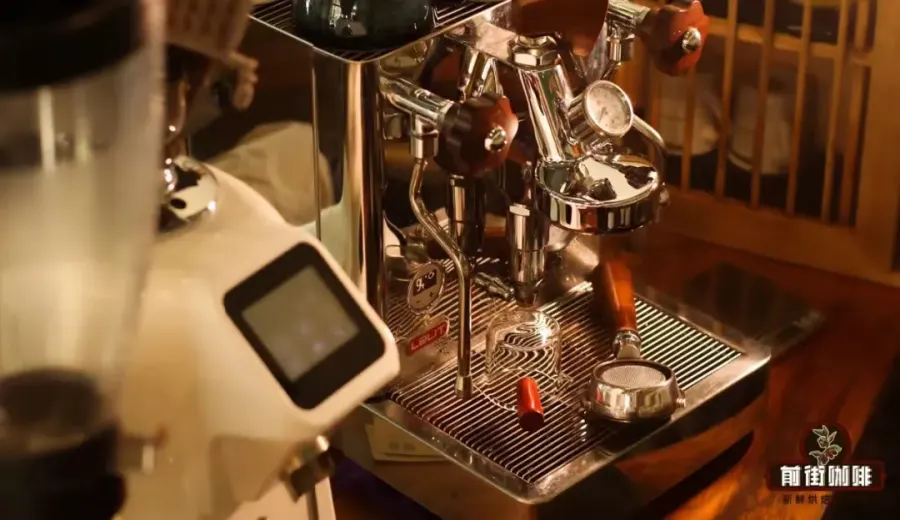
In contrast, electric grinders use a built-in motor to drive the burrs, and must be plugged in to operate. Their biggest advantage is fast grinding speed and effortless operation—you don’t need to spend much time or effort. However, because they contain a motor, electric grinders are generally larger in size and need to be used in a location with a power supply, making them less mobile. If you have a sufficient budget, a fixed brewing spot, and don’t want to put too much effort into the grinding step, an electric grinder is the more efficient choice.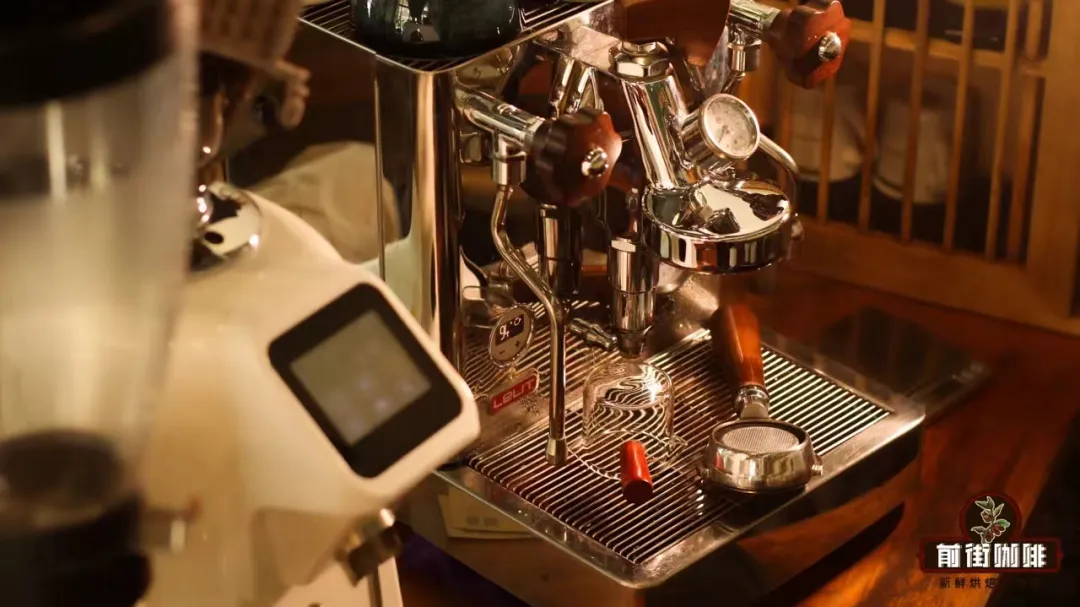
Next, let’s look at price ranges. The price of coffee grinders varies greatly, ranging from simple bean choppers for just a few dozen yuan to commercial-grade professional equipment costing tens of thousands. Excluding the extreme ends, the budget for most home users typically falls between a few hundred to around a thousand yuan. Within this range, it’s recommended to choose the appropriate type based on your budget: if you have a more generous budget, electric grinders usually offer better grinding precision and durability—but this advantage only becomes noticeably apparent at a certain price point (usually above a thousand yuan). If your budget is limited, a hand-cranked grinder offers better cost-performance, as it doesn’t allocate costs to a motor and can invest more resources into grinding quality.
Hand-cranked grinders can be divided into four price tiers: 200–499 yuan is the entry level, suitable for beginners to try out and able to meet basic grinding needs; 500–799 yuan is the mid-range, with improved burr and bearing quality for better grinding stability; 800–999 yuan is considered high-end for hand grinders, but the actual experience doesn’t differ much from the previous tier; above a thousand yuan is the segment where quality noticeably upgrades, and it’s recommended to choose reputable, well-known brands—for example, German-made hand grinders often deliver superior performance. If your budget goes even higher, into the several-thousand-yuan range, then you might consider electric grinders. For under four thousand yuan, you can find models that offer both grinding precision and quality—such as the Royal Kono Mini, Fellow ODE, or Tiamo Carver, all of which are good value options. However, it’s important to note that electric grinders are divided into espresso and single-origin (single-bean) types, and due to different brewing methods, their grind size requirements vary greatly. Most models cannot handle both uses, so be sure to confirm before purchasing to avoid future issues.
Finally, let’s discuss burr types. Beyond power and price, burr structure is also a key factor influencing coffee flavor. Currently, the mainstream grinder burrs can be divided into three types: flat, conical, and ghost-tooth (bur), each design affecting the shape and particle size distribution of coffee grounds, thereby altering extraction efficiency and final taste.
Flat burrs are the most common type, and their grinding principle is mainly “shearing.” When coffee beans enter the burrs, they are sliced into flakes or chunks by sharp, straight blades. This shape of coffee grounds has a larger surface area, allowing substances to dissolve faster when in contact with water, bringing out a richer and more layered flavor. Conical burrs, on the other hand, primarily “crush” the beans. Through the interaction between the conical burr and the base, coffee beans are ground into less uniform chunks, with a relatively lower proportion of fine particles. Because the particles are larger and have a thicker structure, water penetration is slower, helping to avoid over-extraction—the resulting coffee usually has a smoother and more stable taste.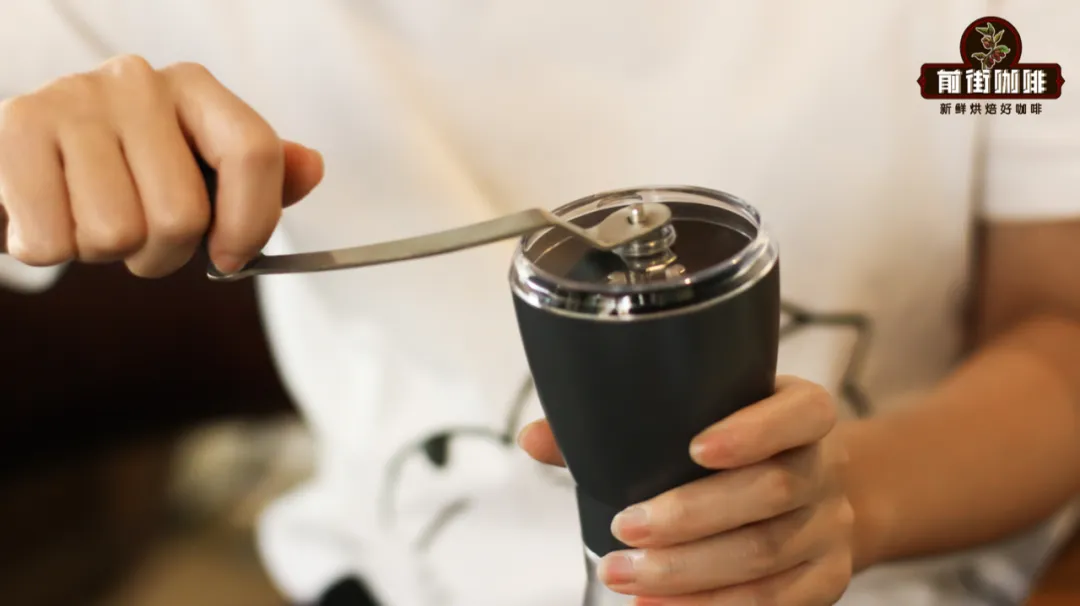
Ghost-tooth burrs can be seen as an improved version of flat burrs. Although also composed of two burr plates, the blades are designed in a gear-like fashion. This structure effectively reduces the squeezing effect during grinding, resulting in more uniform coffee particles while reducing the production of fine powder. The grinding method of ghost-tooth burrs leans toward “grinding,” producing particles that are mostly polygonal and similar to spheres. Coupled with a more balanced distribution of coarse and fine particles, it enhances the consistency and body of coffee during brewing—suitable for users seeking stable flavor profiles.
In summary, when choosing a grinder, you can comprehensively evaluate based on your own budget, usage scenario, and flavor preferences, from the three major aspects: power type, price range, and burr structure. Whether it’s the affordability and convenience of hand-cranked grinders, the efficiency and precision of electric ones, or the unique extraction characteristics brought by different burr types—they can all help you find the coffee grinder that best suits you.
The above content is compiled by CoffeeHunters, a coffee news website.


