







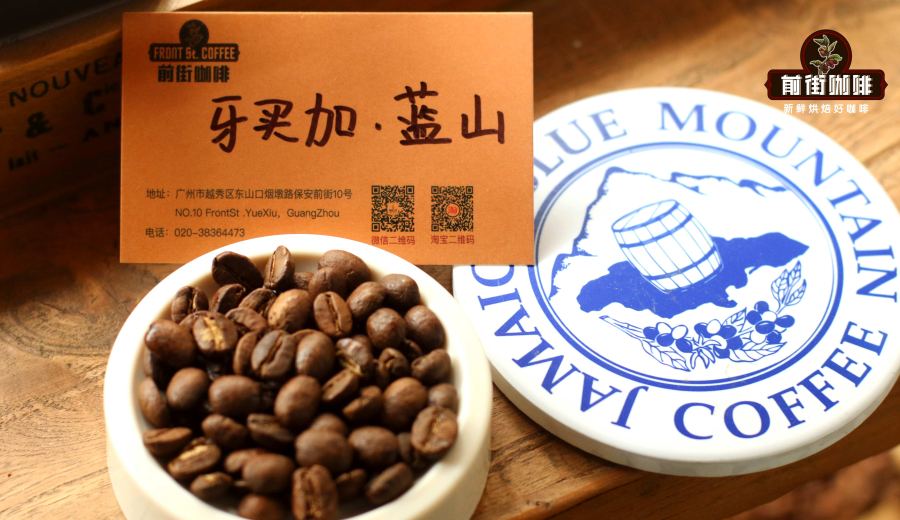
Introduction:Jamaican Blue Mountain coffee is renowned worldwide for its refined flavor and strict grading system, making it a highly sought-after specialty coffee among enthusiasts globally. To truly appreciate this legendary bean, it’s essential to understand the grading criteria for Blue Mountain No. 1, No. 2, No. 3, and Peaberry, learn how to identify authentic beans from the Blue Mountains, and master key brewing techniques. This article takes you deep into the quality secrets behind Blue Mountain coffee.
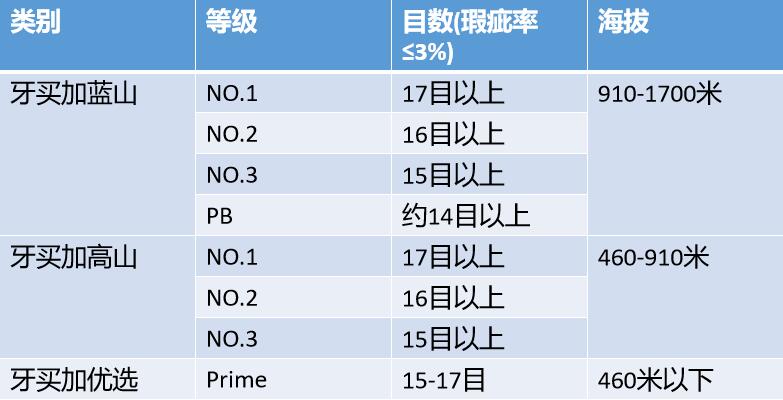
Jamaican Blue Mountain coffee is one of the world’s most recognized top-tier specialty coffees, distinguished by its rigorous grading classification system that sets it apart from many other origins. These strict standards are established by the Jamaica Coffee Industry Board (JCIB), and only coffee beans grown at elevations between 910 and 1,700 meters in the Blue Mountains and of the Typica variety qualify as “Jamaican Blue Mountain coffee.” The region features rugged terrain, with only about 6,000 hectares suitable for cultivation—spread across the five main peaks of the Blue Mountains and covering just one-third of the entire Blue Mountain area—making it exceptionally rare.
It’s worth noting that only about 15% of all coffee produced in Jamaica meets the criteria for Blue Mountain certification. The high-altitude environment, while offering greater potential for complex flavors, also increases the difficulty of harvesting and management. As a result, Blue Mountain coffee has limited production, and the commonly seen “Blue Mountain-flavored” or blended products on the market often do not come from the authentic growing region.
Among the various grades of Blue Mountain coffee, “Blue Mountain No. 1” represents the highest quality tier and is the most commonly available authentic product in the market. The grading criteria include bean size, appearance color, moisture content, and cupping performance after roasting. Through multiple rounds of screening, each bean is ensured to meet a certain standard. Blue Mountain No. 1 requires uniform bean size and an extremely low percentage of defective beans, making it the top choice for enthusiasts seeking perfect flavor.
In addition to the common Blue Mountain No. 1 to No. 3, there is also a special type—Blue Mountain Peaberry. Normally, a coffee cherry contains two flat seeds, but occasionally, a single round seed forms, known as a peaberry. Due to its rarity and the perception that it often has a more concentrated flavor, peaberry holds a unique place within the Blue Mountain series. However, its production is extremely low, usually accounting for only a very small fraction of total Blue Mountain output.
Many products on the market claim to be “Blue Mountain,” but most are actually blends or flavored coffees. Authentic Jamaican Blue Mountain coffee is not only origin-specific but also relatively expensive. If you encounter Blue Mountain beans being sold at unusually low prices—such as products available for just a few dozen yuan—it’s almost certain they are not genuine Jamaican Blue Mountain. It’s understood that authentic Blue Mountain No. 1 coffee is priced at around 158 RMB per 100 grams, a price that reflects not only its rarity but also the stringent production and certification processes involved.
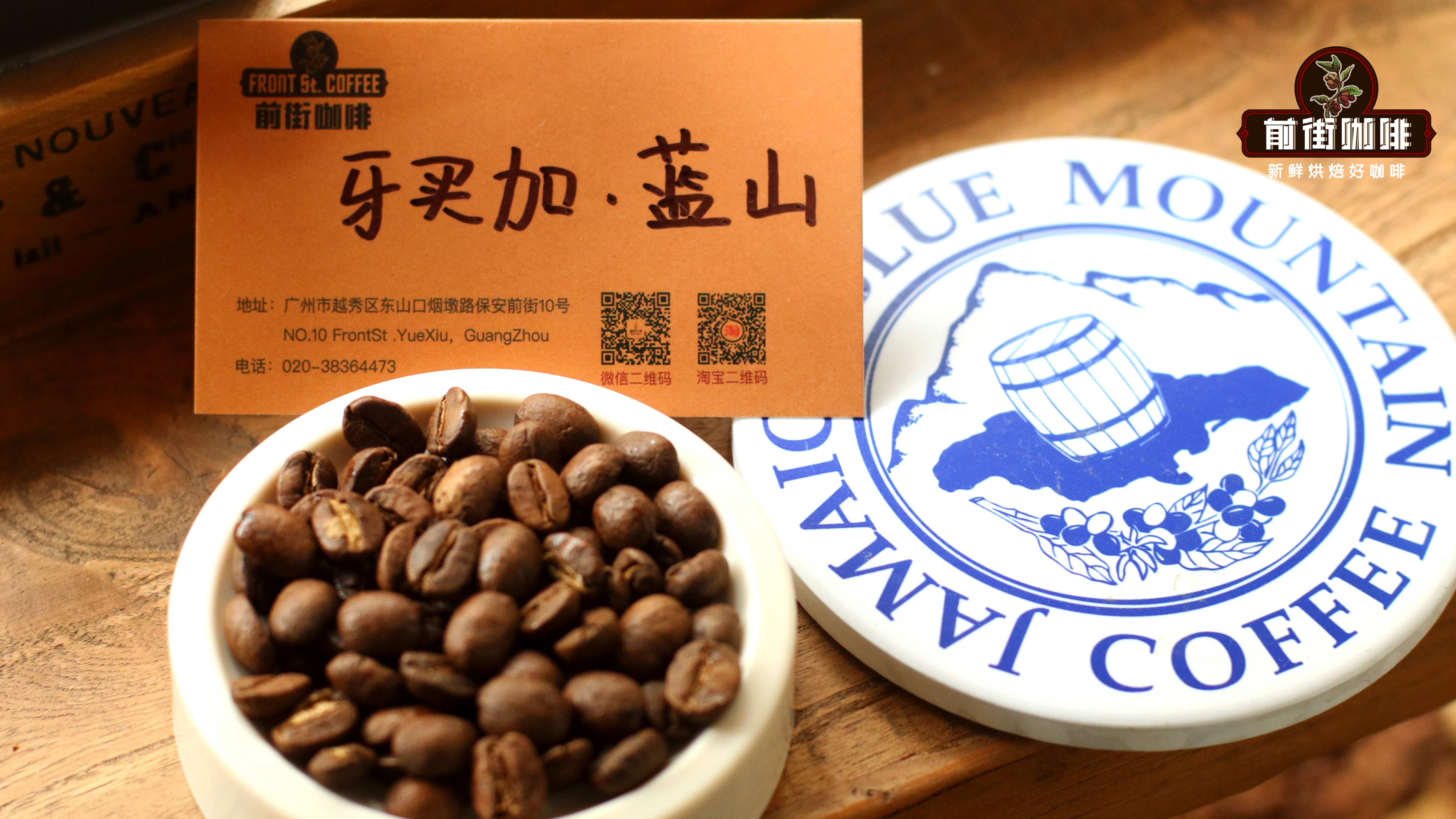
To determine authenticity, examine the packaging and accompanying documentation. Jamaica is one of the few coffee-producing regions in the world that ships green beans in wooden barrels. If the green beans you receive are packaged in wooden barrels rather than sacks, that’s a major identifying feature. Additionally, authentic products usually come with quality certification, authorized sales certificates, and certificates of origin issued by the Jamaica Coffee Industry Board. When purchasing, it’s advisable to ask the seller for relevant documents to ensure a reliable source.
Take the washed-process Blue Mountain No. 1 from Clifton Mount Estate as an example. This classic product showcases a rich and balanced flavor profile. From green bean to roast, the entire process is meticulously handled. The washed processing method removes the pulp and impurities, resulting in clearer aromas and a more harmonious balance of acidity, sweetness, and bitterness. This particular Blue Mountain No. 1 uses this processing method, yielding beans with intense notes of chocolate and roasted hazelnuts, a full-bodied mouthfeel, and a clean, refreshing finish.
For brewing, it’s recommended to use freshly roasted beans, ideally within 5 days post-roast, to achieve the best flavor expression. If the roast is over a month old, the aroma can easily dissipate, and cardboard or woody notes may emerge. Using a KONO filter cone with a medium-fine grind (approximately 75% extraction rate through a #20 sieve), set the water temperature to 88°C, and employ the classic three-pour method to fully highlight the layered complexity of Blue Mountain coffee.
Specifically, start with a 30-second bloom using 30 grams of water to activate the coffee’s aromatic release. Then, in the second pour, add 95 grams of water by pouring in a circular motion from the center outward. When the water level drops to two-thirds of the filter cone, proceed with the final pour of 100 grams of water. Maintain a slow, steady stream throughout, completing the entire dripping process in about 2 minutes. This brewing technique balances acidity, sweetness, bitterness, saltiness, and body, accentuating the nutty and caramel notes of Blue Mountain coffee for a smooth mouthfeel and long-lasting finish.
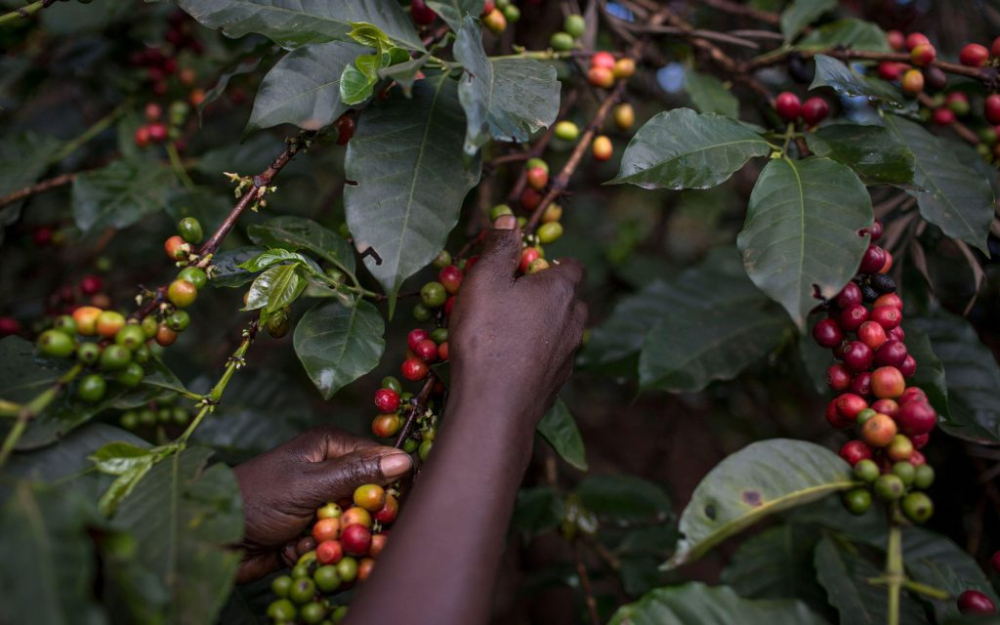
In summary, Jamaican Blue Mountain coffee is more than just a symbol of high price—it’s a comprehensive embodiment of quality, terroir, and craftsmanship. Understanding its grade differences, learning to identify authentic beans, and mastering the appropriate brewing methods are key to truly appreciating the unique charm of this world-class coffee.
The above content is compiled by CoffeeHunters, a coffee news website.


