







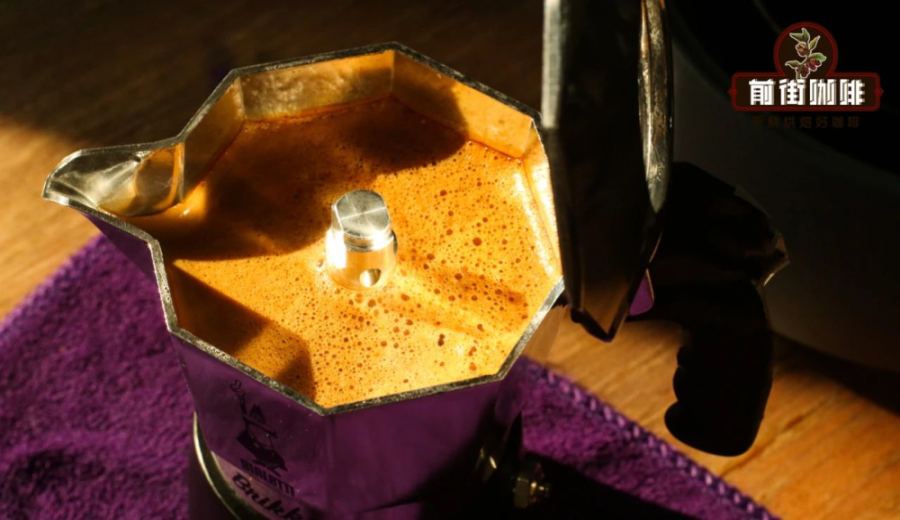
Introduction:Want to brew a rich-flavored yet clean-tasting coffee with a moka pot but unsure whether to use filter paper? This article delves into the practical effects of using filter paper in a moka pot, analyzes how the placement of the filter paper impacts extraction and flavor, and provides a complete step-by-step guide along with coffee bean selection tips to help you master key moka pot techniques and improve the consistency and flavor of each brew.
Thanks to its simple operation and ability to produce an espresso-like flavor, the moka pot is beloved by coffee enthusiasts around the world. However, many people often encounter a common question when using a moka pot for the first time: is it necessary to use filter paper, and if so, where should it be placed? This article will break down the role of filter paper in a moka pot in detail, including its actual impact on extraction and flavor when placed at the bottom or on top of the coffee puck, and offer a comprehensive, practical guide covering the operational process, suitable coffee beans and grind sizes, as well as adjustments for common flavor issues.
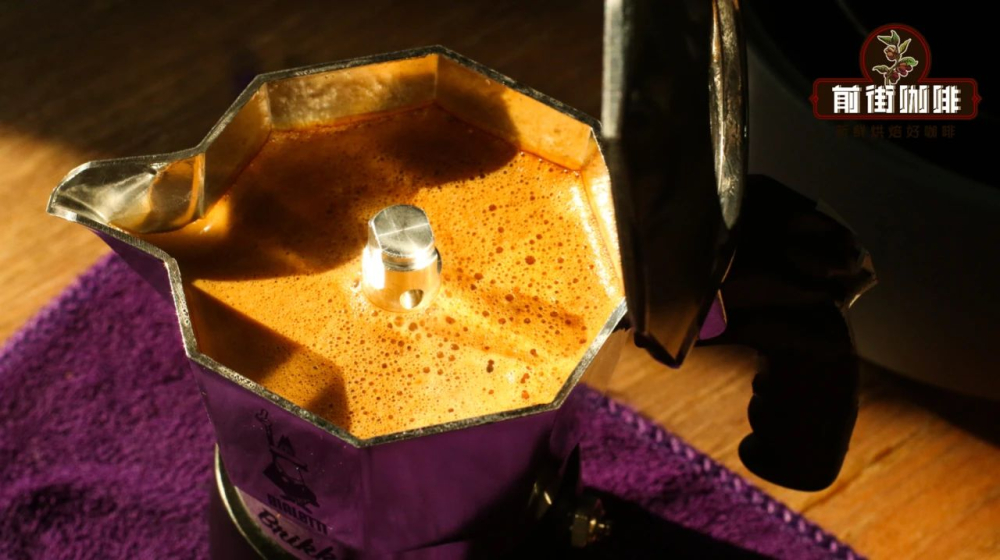
Many users believe that adding filter paper at the bottom of the moka pot’s coffee chamber helps water penetrate the coffee grounds more evenly, similar to the function of filter paper in an espresso machine. However, since the moka pot relies on steam pressure generated by heating to push water upward for extraction, placing the filter paper at the bottom has limited effect in evenly distributing the water flow. Practical tests show that using or not using filter paper at the bottom has minimal impact on the final flavor, especially when using medium-to-dark roast coffee beans suitable for moka pots—such as Indonesian Mandheling SOE with roasted nut and caramel notes—the difference in extraction results is negligible, and the flavor remains full and balanced.
Another common practice is to place the filter paper on top of the coffee puck. The advantages of this method are mainly twofold: first, it effectively filters out finer coffee particles, reducing coffee grounds in the brewed liquid and thereby improving the clarity and cleanliness of the taste; second, it can slightly increase the extraction pressure, especially when the grind is coarser or the coffee dose is slightly less. Adding one or two extra layers of filter paper helps maintain stable extraction pressure, resulting in a more focused coffee flavor.
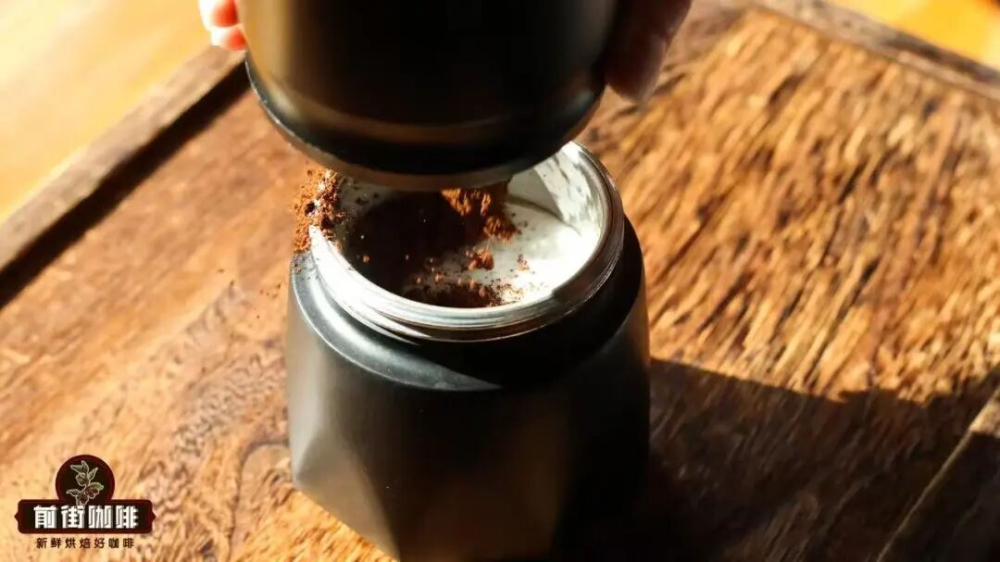
However, it’s important to note that while the filtering effect of the filter paper can make the coffee taste “cleaner,” over-reliance on it may also affect some of the more delicate flavor layers of the coffee—especially when using high-quality, single-origin beans. It’s recommended to adjust the use of filter paper based on personal taste preferences. Additionally, improper placement of the filter paper—such as using too much or not laying it flat—can obstruct water flow, affecting extraction efficiency and flow rate, which may lead to over-extraction or uneven extraction.
When it comes to coffee bean selection, the moka pot is suited for medium-to-dark or dark roast beans, such as blends with rich chocolate, nut, and creamy finish notes, or single-origin beans with distinct caramel and spice flavors. If you prefer a brighter fruit profile, you can also choose medium-roast blends, such as those with berry and floral notes, which can still deliver layered sweetness and silky texture when paired with milk.
As for grind size, the coffee grounds for a moka pot should be finer than those for pour over but coarser than those for espresso, roughly similar to the texture of fine salt. Taking the EK-43s grinder as an example, it is recommended to set the grind size to around 3. For other grinders, the principle is that the grounds should be able to pass through a fine filter but without producing too many fine particles. Grinding too coarse can lead to fast water flow and under-extraction; grinding too fine can cause clogging, leading to over-extraction and excessive bitterness.
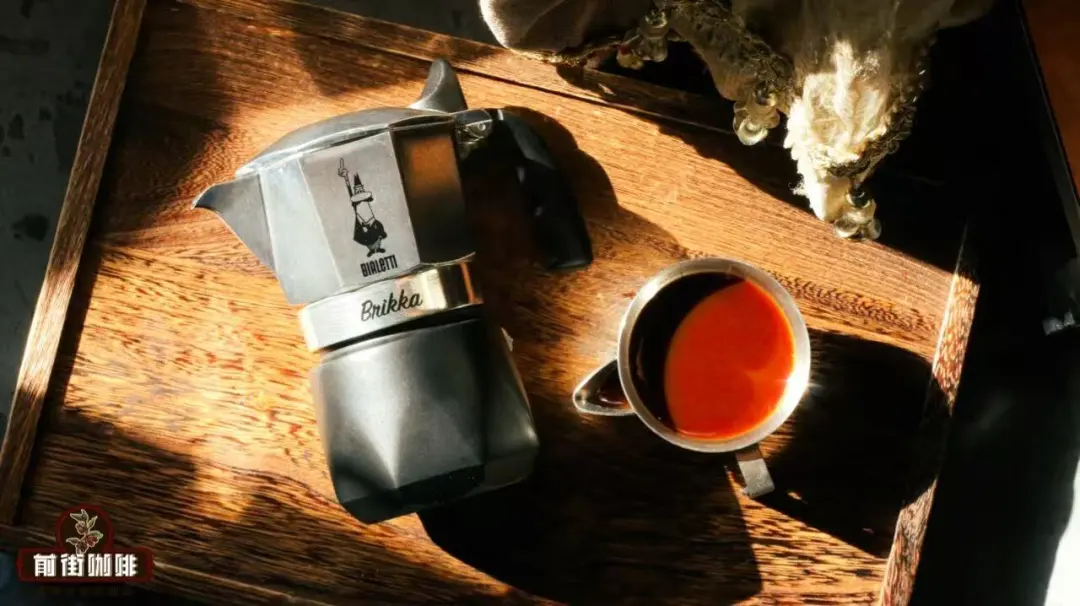
Here are the basic steps for using a moka pot: First, it is recommended to pour hot water directly into the lower chamber to save heating time and better control the extraction temperature. For a double single-valve moka pot, about 130ml of hot water is suggested. Next, add approximately 18g of coffee grounds into the filter basket, gently level the coffee surface without pressing it down firmly—especially when using finer coffee grounds, as pressing too hard can increase water resistance and affect the flow rate during extraction.
After placing the coffee-filled filter basket into the lower chamber, carefully screw the upper and lower chambers together. If the pot is still hot, it is advisable to use a damp cloth for insulation to avoid burns. Then place the moka pot on a heat source with stable thermal conductivity, such as a ceramic stove, and begin heating. When you hear a clear boiling or steam sound, it indicates that extraction is about to begin. At this point, immediately reduce the heat to stabilize the pressure and prevent the coffee from flowing out too quickly due to excessive pressure, which could result in under-extraction or a weak flavor.
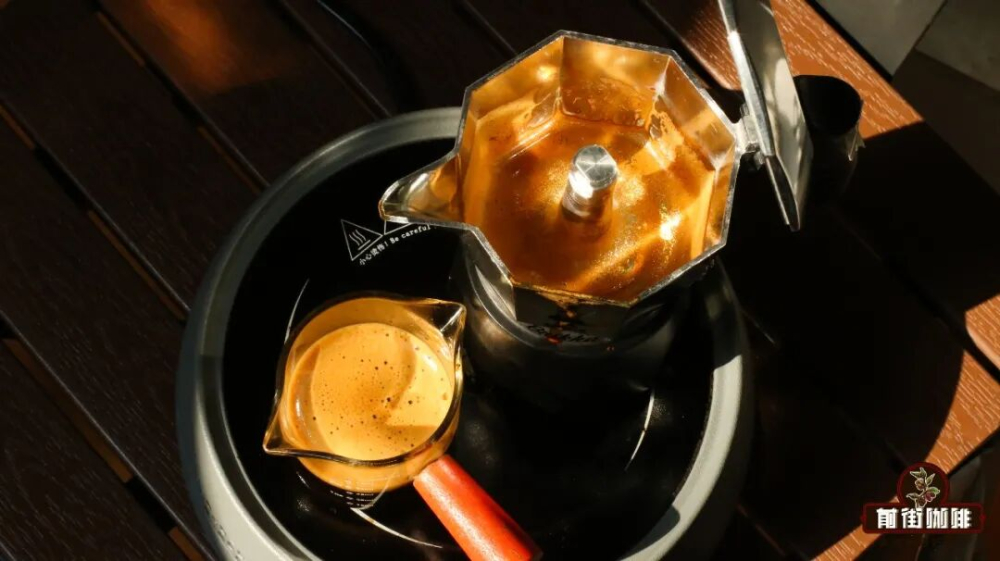
When the coffee begins to flow out steadily and reaches about half of the total expected volume, you can turn off the heat and let the remaining heat in the pot complete the final extraction. This not only helps avoid over-extraction but also preserves more aroma and flavor layers. Finally, pour out the brewed coffee for drinking. If you notice obvious burnt bitterness or astringency, it usually means over-extraction, and you can shorten the brewing time or reduce the coffee dose. If the taste is overly sour or has noticeable off-flavors, it may be due to too coarse a grind or insufficient extraction—you can adjust the grind size or extend the brewing time as needed.
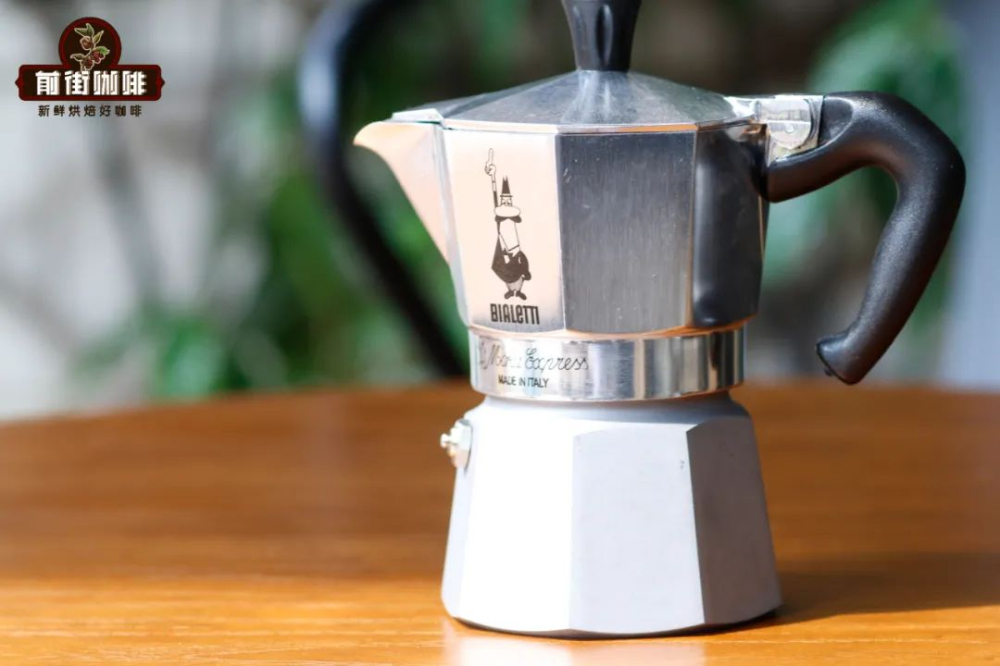
In summary, whether or not to use filter paper in a moka pot depends on your personal preference for taste clarity and actual usage conditions. Placing the filter paper on top of the coffee puck can enhance filtration and extraction pressure, especially effective when there are more fine particles. Meanwhile, placing filter paper at the bottom of the coffee chamber has limited impact on water distribution and minimal practical effect. Mastering the correct grind size, coffee-to-water ratio, and heating technique is the key to brewing a moka pot coffee with balanced flavor and smooth mouthfeel.
The above content is compiled by CoffeeHunters, a coffee news website.


