







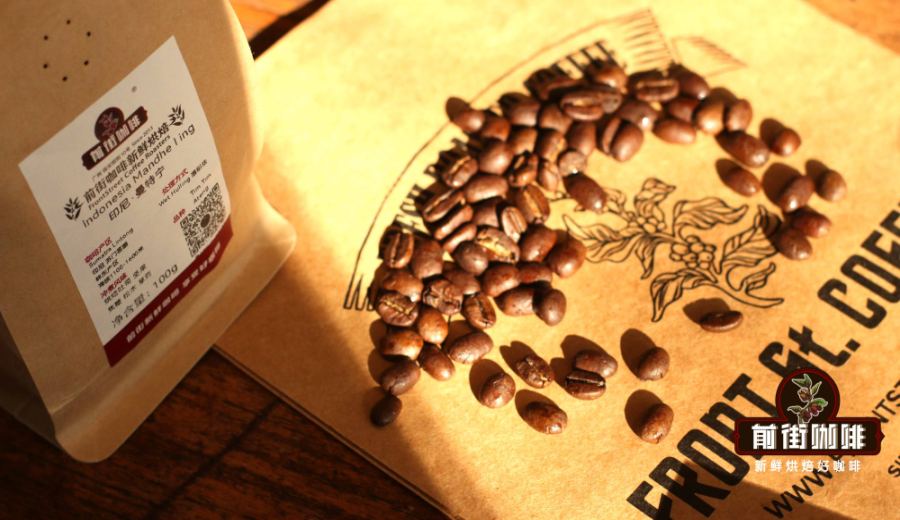
Introduction:Explore five classic coffee beans from Indonesia, Jamaica, Ethiopia, Colombia, and Brazil—each with its unique flavor profile, optimal grind size, and brewing method. This article delves into their regional characteristics and flavor expressions, offering practical grind recommendations and brewing parameters. Whether you’re a beginner or a seasoned coffee enthusiast, you can find the best extraction method tailored to your taste preferences.
For coffee lovers, selecting the right coffee beans is only the first step. Adjusting grind size and brewing methods according to regional characteristics is the key to elevating flavor complexity. This article features five classic beans from renowned global origins—including Indonesian Mandheling, Jamaican Blue Mountain, Ethiopian Yirgacheffe, Colombian Supremo, and Brazilian Red Bourbon—and analyzes their flavor profiles, recommended brewing techniques, and provides expert grind advice to help you unlock each bean’s full potential using the right method.
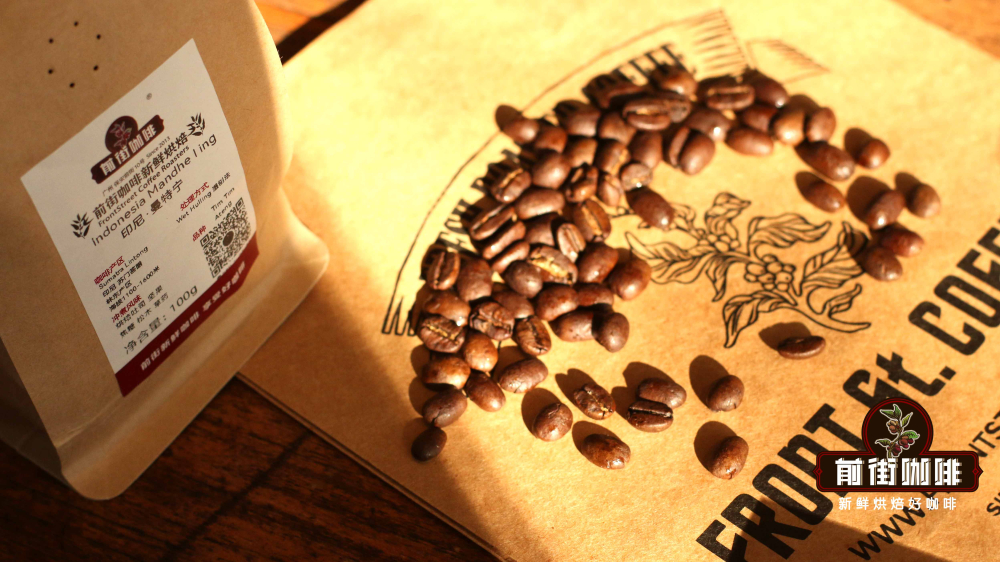
First, let’s take a look at Indonesia’sMandheling coffee beans. As one of Indonesia’s most iconic coffees, Mandheling is known for its low acidity, rich and full-bodied mouthfeel, concentrated aroma, and herbal and spicy finish. It boasts a bold, rounded flavor with pronounced bitterness that is never sharp, followed by a sweet and lingering aftertaste. This coffee suits those who enjoy the pure taste of black coffee and can also be paired with milk to make a latte, delivering a silky and aromatic experience. The recommended grind size ismedium-fine (similar to fine sugar), suitable for pour over, French press, or siphon. When brewing with pour over, water temperature should be controlled at90~92°Cto better highlight its aroma and body.
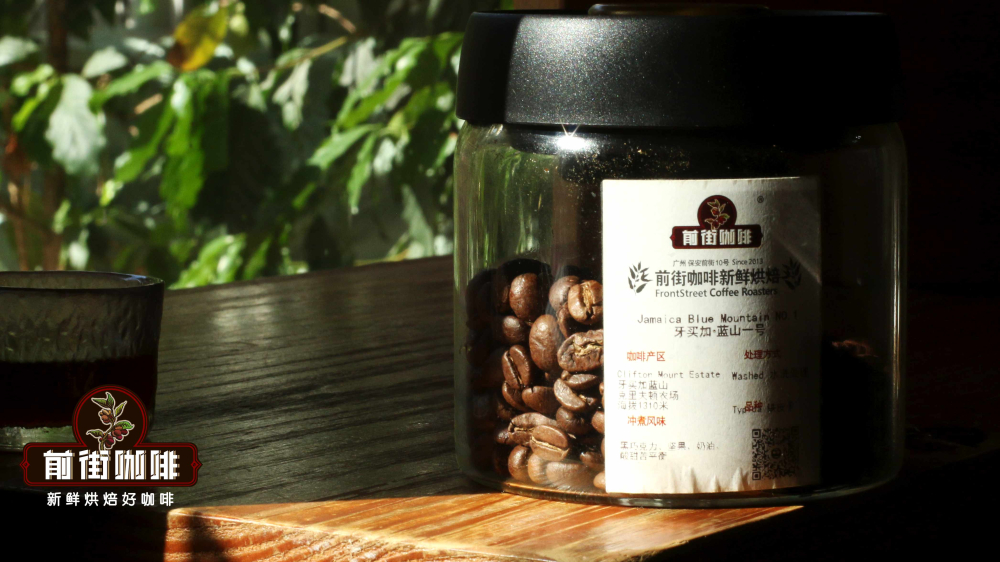
Next is the highly acclaimedJamaican Blue Mountain coffee beans. Authentic Blue Mountain coffee is grown exclusively in the core area of Jamaica’s Blue Mountains and is globally recognized as one of the finest coffees. Its flavor is elegantly balanced, with harmonious acidity, sweetness, and bitterness. It has a smooth and gentle entry, featuring notes of dark chocolate, nuts, and creaminess, with a naturally caramel-like finish. Due to its rarity and past successful promotion in the Japanese market, Blue Mountain coffee is hailed as the “King of Coffee.” It is recommended to use amedium grind (slightly coarser than sugar), with the best brewing methods being pour over or siphon. Water temperature should be around90°Cto fully showcase its layered flavors.
The third to be introduced is Ethiopia’sYirgacheffe coffee beans. Yirgacheffe is located in a high-altitude region (approximately 1700 to 2100 meters), making it one of the world’s most suitable areas for growing Arabica. The large diurnal temperature variation and unique microclimate contribute to its distinctive citrus and floral notes. The standout feature of this coffee is its bright acidity, accompanied by white floral and tea-like fresh aftertastes, which is quite different from the typically bold and heavy perception of coffee. It’s a refreshing and surprising flavor bean. The recommended grind size isfine (close to powdered), paired with pour over or AeroPress. Water temperature should be around88~90°Cto accentuate its fruit acidity and aromatic layers.
From Colombia comes theColombian Supremo coffee beans, showcasing another kind of balance. As the world’s second-largest Arabica producer, Colombia’s Supremo-grade beans—over 80% of which are large beans of 17+ screen size—represent exceptional quality. Processed via washed method, its flavor includes notes of nuts, dark chocolate, and gentle fruit acidity, with a caramel-like finish. It suits various brewing methods, including espresso machines, French press, pour over, and moka pot. Grind size should be adjusted based on the brewing method; for pour over, amedium-fine grindis recommended, with water temperature around91~93°Cto fully release its rich flavor layers.
Finally, we introduce Brazil’sBrazilian Red Bourbon coffee beans. Grown in the Cerrado region at an altitude of about 1000 meters, with stable climate and fertile soil, this coffee is known for its low acidity, full body, and clean taste. Compared to traditional Brazilian Santos beans, Red Bourbon offers more pronounced nutty and almond aromas. It has a milk-like smooth entry and a warm, rice-tea-like aftertaste. It works well as the base for espresso and can also be used to make smooth American black coffee or lattes. Amedium-coarse grind (similar to coarse sea salt)is recommended. When brewing with pour over, water temperature should be around90~92°Cto bring out its sweetness and full-bodied qualities.
In summary, these five classic single-origin coffee beans each have their own distinct characteristics. Whether you prefer bright, acidic, refreshing flavors or rich, full-bodied, bold tastes, you can fully experience their uniqueness by selecting the appropriate grind size and brewing parameters. Mastering this basic knowledge not only enhances the quality of your coffee extraction but also brings more enjoyment and satisfaction to your daily coffee ritual.
The above content is compiled by CoffeeHunters, a coffee news website.


