







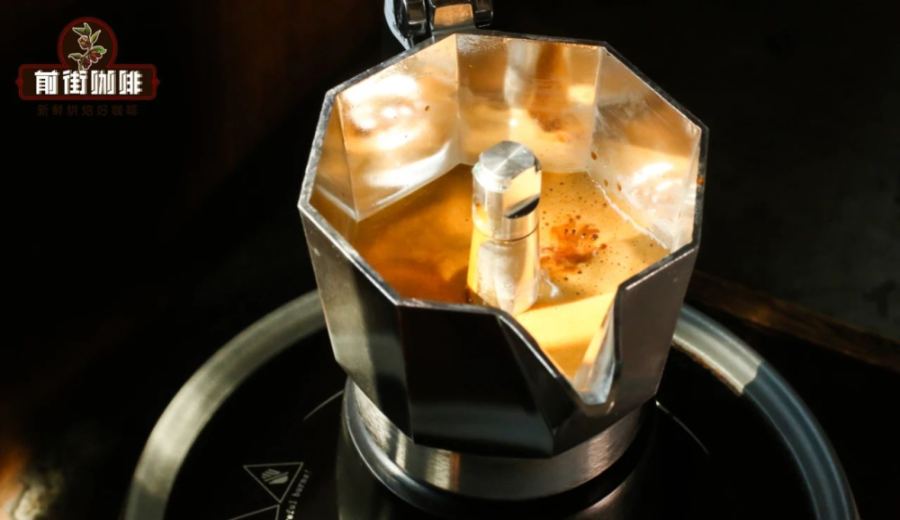
Introduction:The Moka pot is often mistakenly regarded as an outdated brewing device. However, with the right techniques, it can consistently produce richly flavored coffee at home. This article delves into the working principles of the Moka pot, explores why it once fell out of favor in the home coffee market, and offers practical bean selection advice and operational tips. Not only will it teach you how to adjust water flow and heat, but it will also guide you step-by-step in making a latte-style milk coffee with crema using a Moka pot—avoiding over-extraction and exploding-pot risks—delivering a professional-grade espresso experience.
In today’s era dominated by pour over, siphon, and high-end espresso machines, the Moka pot is often categorized as old-fashioned or hard to control. Yet, more and more coffee enthusiasts are rediscovering the charm of this classic tool. Compared to expensive professional machines, the Moka pot—with its simple structure and affordable price—delivers pressurized extraction close to that of a professional machine at a relatively low cost. This article will take you from basic principles to mastering the right bean selection strategies and techniques, and demonstrate how to make a smooth, latte-capable milk coffee using a Moka pot.
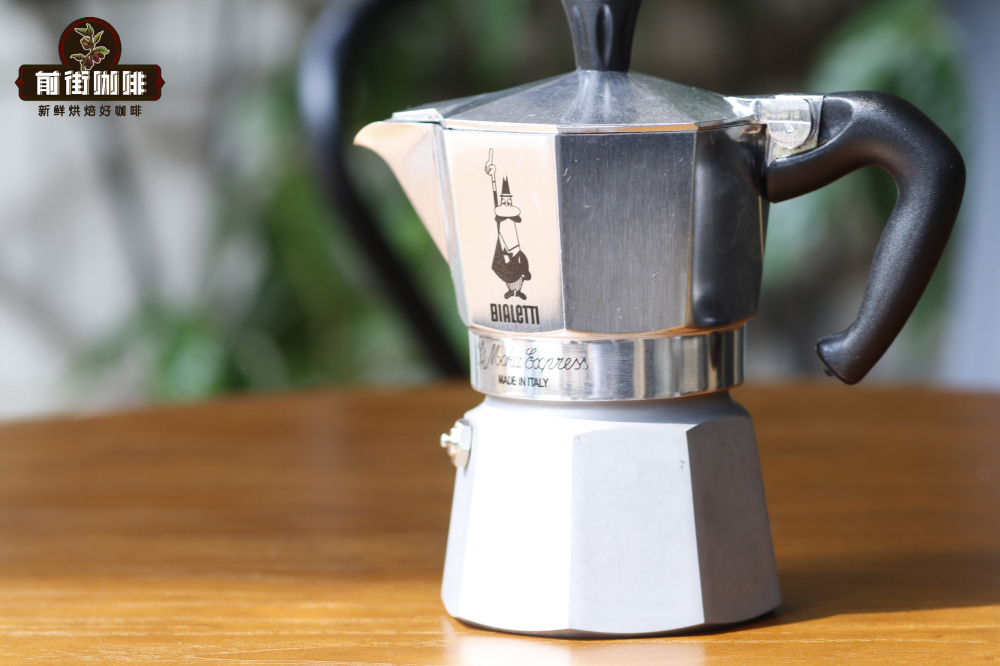
The basic structure of a Moka pot consists of three parts: the lower chamber, the filter basket, and the upper chamber. When heated, the water in the lower chamber boils, generating steam pressure that pushes the hot water up through the coffee grounds in the middle filter basket, eventually dripping into the upper chamber to form a richly flavored coffee liquid. This process is similar to the pressurized extraction of an espresso machine, but the pressure is generally slightly lower, around 1–2 bar. As a result, the directly extracted coffee is quite concentrated, and it's recommended to dilute it with hot water to make a Moka pot Americano, or mix it with fresh milk for a latte, achieving a smoother and more mellow drinking experience.
In the past, the Moka pot failed to become a mainstream home choice due to its lack of a professional image. Early coffee consumers were often from more affluent backgrounds, who typically preferred investing in expensive professional espresso machines and showed little interest in the metal-made, simple Moka pot. However, as home coffee equipment has become more common, many users have discovered that—as long as the right beans are chosen and basic operations are mastered—the Moka pot not only has a low learning curve, but its extraction performance can approach 70% of that of several-thousand-yuan home machines, making it a practical favorite for many households. Additionally, the Moka pot is also well-suited for making milk-based coffee, satisfying the needs for latte art and milk flavor pairing.
How to make milk coffee with foam using a Moka pot?
First and foremost, choose a coffee bean suitable for pressurized extraction. If you prefer a rich, full-bodied coffee with a thick crema, it's recommended to select a dark roasted blend, such as a classic espresso mix composed of Brazilian, Indonesian, and Vietnamese beans. These beans, when deeply roasted, release intense roasted aromas and produce fine, dense crema under pressurized extraction, making them ideal for Americanos or lattes. If you enjoy a brighter, fruitier profile, opt for a medium roast bean, such as a strawberry-toned blend combining Costa Rican honey-processed beans with Ethiopian beans, which showcases soft acidity and sweetness—even without sugar, it has rich layers.
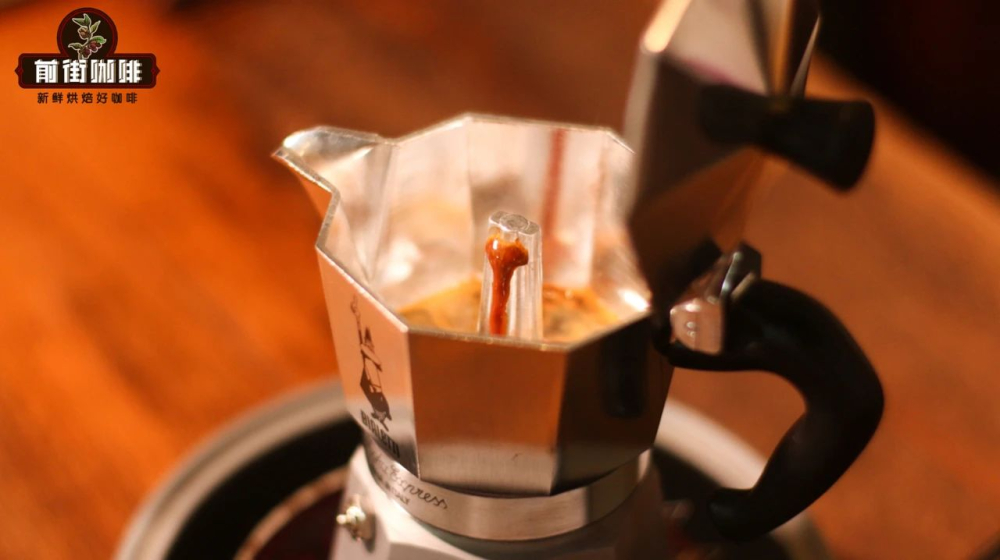
In actual operation, start by pouring cold water into the lower chamber. Be sure the water level does not exceed the safety valve mark at the bottom to avoid dangerous pressure buildup during heating. Place the filter basket into the lower chamber, fill it with an appropriate amount of coffee grounds, and tamp it evenly so that it's slightly convex in the center and firmly packed around the edges—no need to over-tamp. Then assemble the upper chamber and tighten it securely to prevent air leakage during heating, which could affect extraction pressure. Place the assembled Moka pot on an electric or gas stove and heat it over low to medium heat. When you hear a “wuu wuu” sound, it means the coffee liquid has begun to rise—immediately turn off the heat and wait for the remaining liquid to drip through.
The freshly extracted coffee usually has a layer of golden crema on the surface, but this crema dissipates quickly. It’s recommended to mix it with milk promptly to preserve the flavor. If you want to go further and make a latte with latte art, you can use a French press to heat about 200ml of fresh milk and froth it, then blend the hot milk with the coffee evenly to attempt simple latte art. Note that although the crema from a Moka pot isn’t as thick as that from a professional machine, it still provides enough surface tension to help the milk foam stabilize, making it suitable for basic latte art practice.
When using a Moka pot, there are several practical details to pay special attention to. First is observing the water flow and speed: if the coffee liquid sprays out quickly, it usually means the water temperature is too high or the coffee grind is too coarse, which may lead to under-extraction and a thin flavor; conversely, if the flow is too slow or dripping is difficult, the water may be too cool or the grind too fine, posing an over-extraction risk. Adjust the heat or check the grind size. Also, since each extraction uses only a single grind of coffee and the actual extracted volume is not easy to measure precisely, beginners are advised to observe and experiment more to build an intuitive sense of flow rate and flavor, avoiding improper operation that leads to overly bitter or unbalanced coffee.

If you want your Moka pot coffee to have more layers and better crema, it’s recommended to use freshly roasted beans within 5 days of roasting. As time passes after roasting, the carbon dioxide and volatile aromatic compounds inside the beans gradually diminish, affecting flavor release and crema formation during pressurized extraction. Medium-dark to dark roast beans, due to sufficient caramelization, can release richer aromas and oils under pressure, making them the ideal choice for Moka pot use. As long as you master heat control, grind size, and the coffee-to-water ratio, a home Moka pot can deliver espresso-like flavors that rival those of professional equipment.
The above content is compiled by CoffeeHunters, a coffee news website.


