







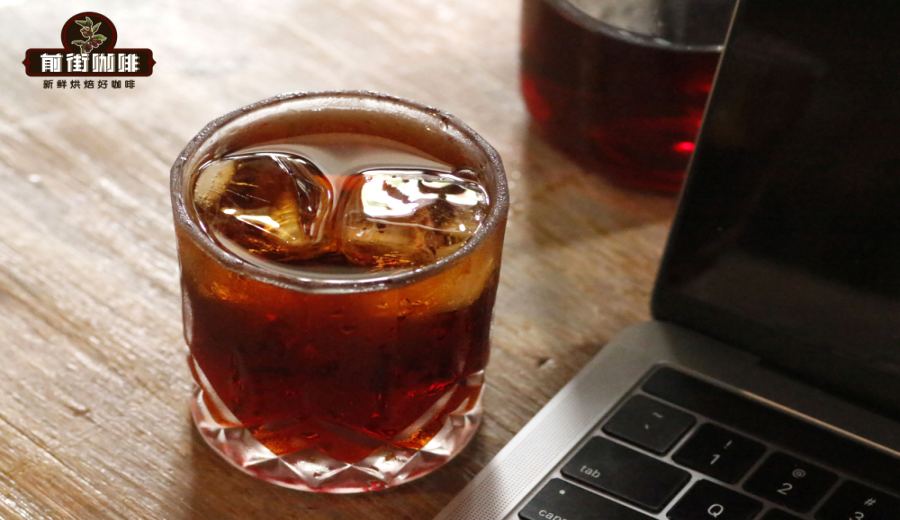
Introduction:Want to recreate café-quality cold drip coffee at home? Cold drip, with its low-temperature, long-duration extraction, highlights the floral, fruity notes and bright acidity of coffee—but success depends on three key factors: bean selection, grind size, and drip rate control. This article breaks down the full process, from coffee-to-water ratio and extraction time to cold fermentation, offering tested parameter suggestions and common mistake reminders. Make cold drip coffee with grape, pineapple, or dark plum aromas in just 6–8 hours with ease.
The low-temperature, slow-extraction nature of cold drip gently brings out the floral and fruity acidity of coffee beans, avoiding the burnt bitterness and over-extraction common in high-temperature brewing. But to consistently extract balanced flavors, precise control is needed in bean selection, grind settings, and water flow. Below is a practical, tested home-brewing process to help you achieve professional-grade cold drip with simple tools.
Standard Parameter Recommendations: Use 60 grams of coffee grounds, with a coffee-to-water ratio of 1:10 (total yield about 600 ml). The grind size should have an 85% pass rate through a Chinese standard No. 20 sieve—equivalent to medium-coarse with a slightly finer texture. The overall extraction time should be controlled within 6 to 8 hours, with the final coffee liquid refrigerated overnight to enhance flavor complexity.
The operation can be divided into six main steps:First, prepare the powder chamber, wet the bottom evenly, then lay down filter paper, ensuring it adheres completely to prevent leakage;Next, add 60 grams of pre-ground coffee, gently shake to level the surface, then cover with another round piece of filter paper;Pre-wetting stage: use a small amount of ice water or room-temperature water, gently sprinkle to allow the coffee grounds to fully absorb moisture;Prepare an ice-water mixtureand pour it into the upper water reservoir;Adjust the drip valveto achieve a steady rate of about 5 drops per 10 seconds;After extraction is complete, transfer the coffee liquid to a sealed container, and refrigerate for 12 hours to round out the flavors.
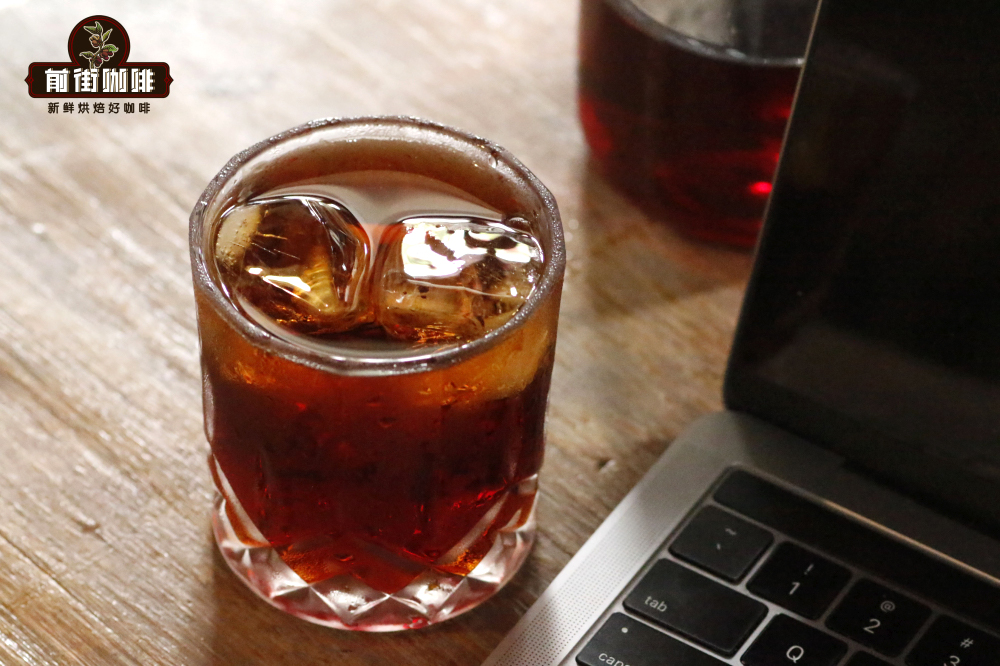
To brew stunning cold drip coffee, bean selection is the foremost key.The low-temperature extraction process makes smaller molecular floral and fruity acids easier to release, while larger bitter compounds are less likely to dissolve. Coupled with the subsequent 12-hour cold fermentation, it's recommended to choose beans with bold fruitiness, notable floral notes, or mild fermented characteristics—for example, beans with raisin, pineapple, and orange tones; or those showcasing passion fruit, grape, and apricot sweetness; you can also opt for regional beans with dark plum, snow pear, and black plum flavors reminiscent of fruit juice.
Grind size has a huge impact: since cold drip uses lower water temperatures, too coarse a grind can lead to insufficient extraction of flavor compounds, resulting in a thin and dull taste; but grinding too fine may release excessive impurities, causing unpleasant bitterness. Testing shows that setting the grind to about an 85% pass rate through a Chinese No. 20 sieve—slightly coarser than typical pour over but finer than French press—achieves the best balance—ensuring enough contact surface to extract ideal flavors without over-extraction.
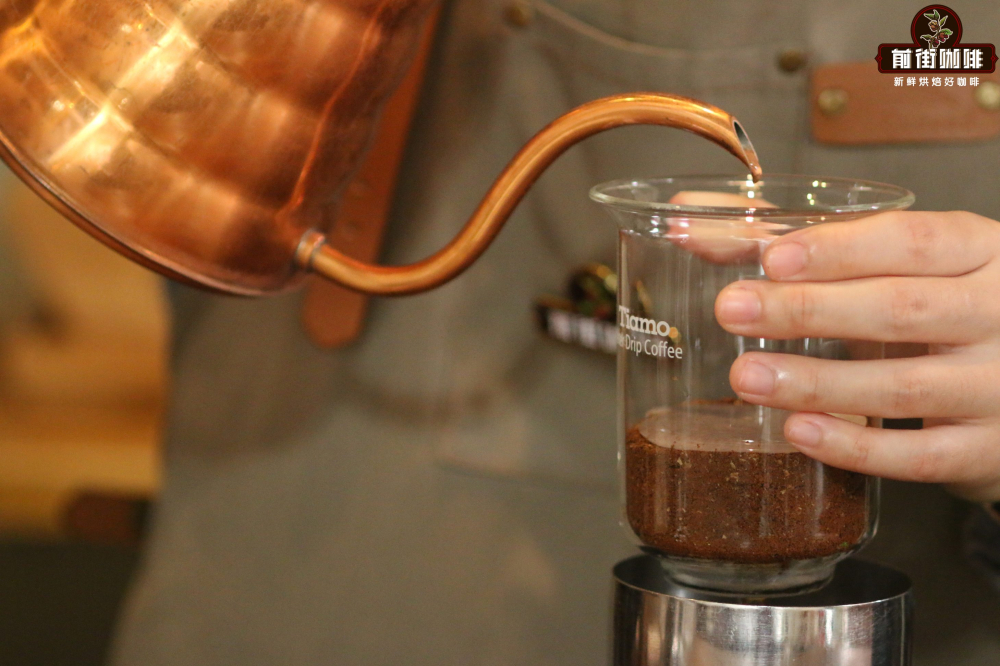
Drip speed is equally crucial.It’s recommended to calculate based on a 1:10 coffee-to-liquid ratio, aiming for 600 ml output from 60 grams of coffee. The ice-water mix ratio should be around 1:1, and the valve adjusted to a stable drip rate of about 5 to 7 drops per 10 seconds. The overall extraction process should last 6 to 8 hours. Common commercial cold drip ratios range between 1:10 and 1:12—you can fine-tune according to personal taste preference. Those who prefer a stronger brew can reduce the ratio, while those favoring a lighter style can increase the water volume appropriately.
When making cold drip at home, also watch for several common issues: ensure the filter paper fits perfectly against the bottom of the powder chamber to avoid side leakage affecting extraction evenness; don’t use too much water during pre-wetting—just enough to moisten the coffee layer; inconsistent drip speed can lead to unstable flavors, so using a pressure-regulating valve or regularly checking the water flow is advised; finally, always refrigerate the finished coffee liquid to let flavor details meld, and slight warming before drinking can enhance its layered profile.
The above content is compiled by CoffeeHunters, a coffee news website.


