







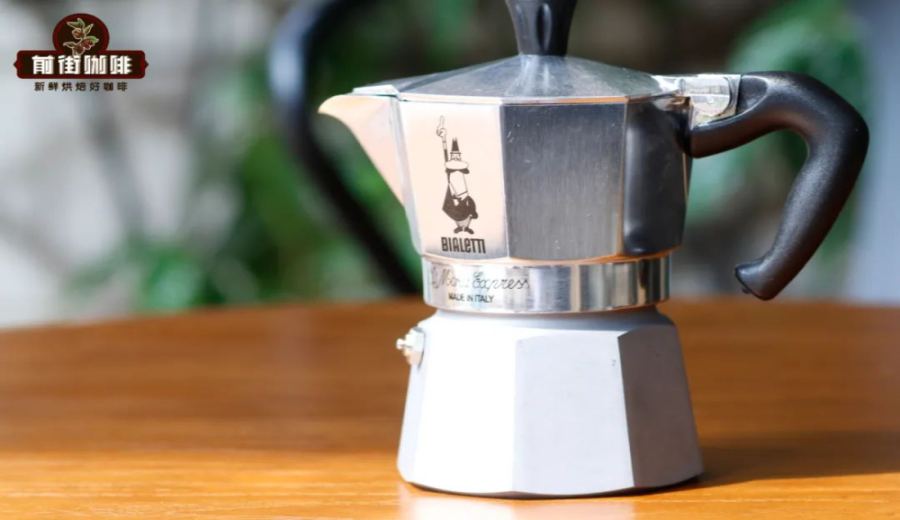
Introduction:Since its introduction in 1933, the Moka pot has been a classic tool for making strong coffee at home. But can the coffee it brews rival the espresso from a professional espresso machine? This article delves into the key factors—such as pressure, coffee-to-water ratio, and extraction principles—to analyze the differences between the two, and provides guidance on how to use the Moka pot correctly and select the right coffee beans to help you achieve your ideal concentrated coffee flavor using the right tool.
The Moka pot, which debuted in 1933, has long been considered the go-to choice for beginners wanting to make espresso at home due to its simple operation and affordable price. However, many people have this question in mind: Can the coffee made with a Moka pot truly be equivalent to the espresso extracted by a professional espresso machine? This article will break down the differences between the two by analyzing their working principles, pressure settings, and coffee-to-water ratios from a technical perspective, helping you understand their fundamental distinctions and offering practical usage tips and coffee bean selection advice.
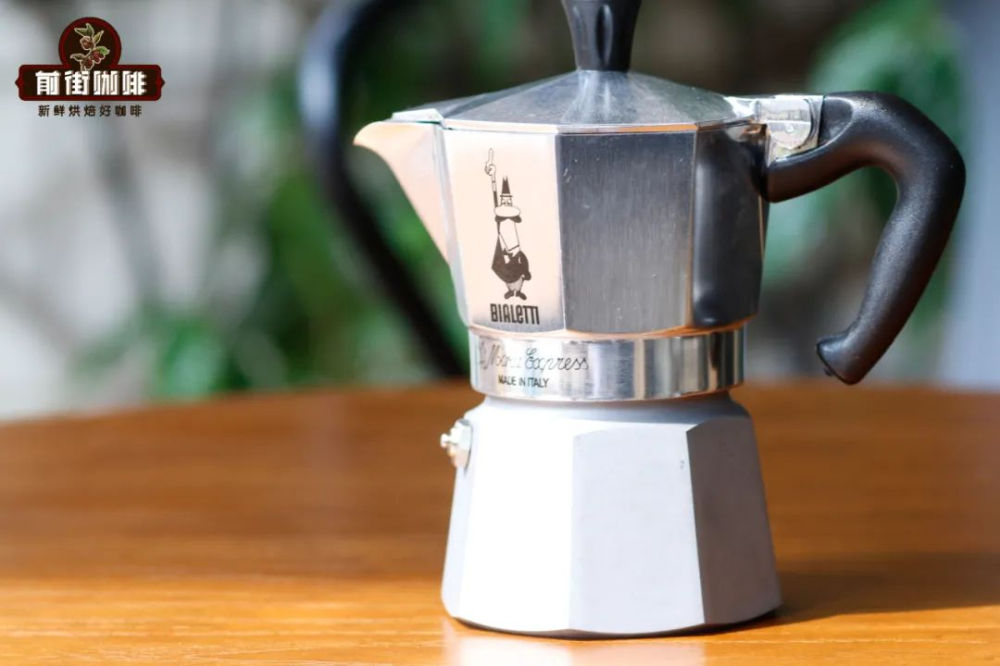
When it comes to the Moka pot, many people often associate its name with “mocha coffee” and even mistakenly believe it is specifically designed to make mocha-flavored coffee. In fact, this Italian device, born in 1933, shares a similar spelling with “Mocha” but has no connection to mocha coffee. The Moka pot, capable of extracting highly concentrated coffee and being easy to operate, has gradually become the “espresso alternative” in the hearts of many home users.
For this very reason, many users purchase a Moka pot hoping to replicate café-style espresso at home, which they can then use to make lattes or cappuccinos with milk. But this raises a crucial question: Can the coffee brewed from a Moka pot really be considered true espresso?
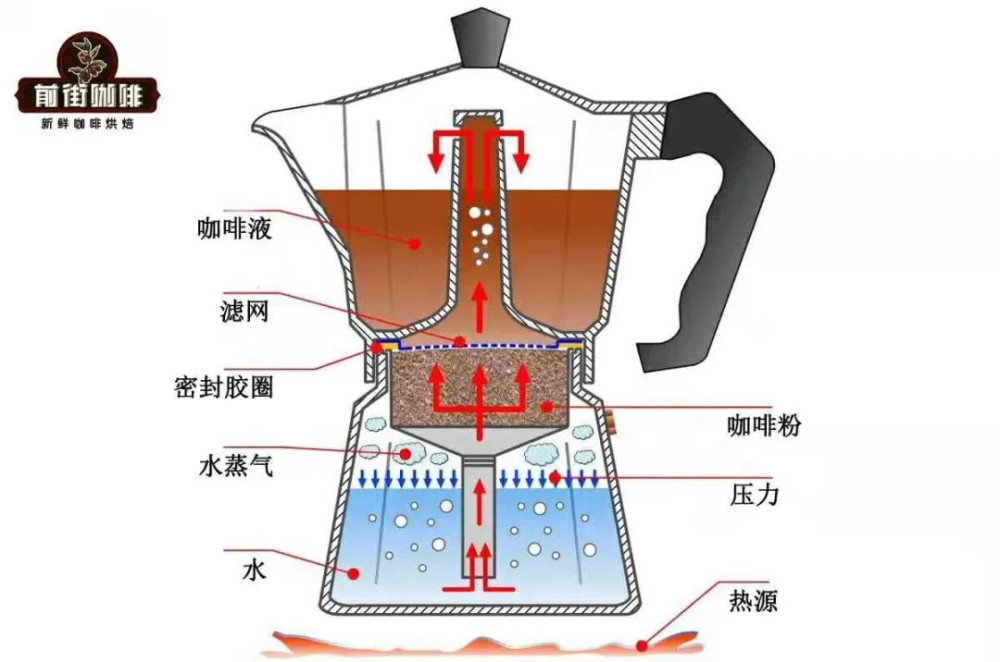
The charm of the Moka pot lies in its elegant and varied designs, intuitive operation, fast heating, compact size, and relatively affordable price. Regardless of its appearance, its basic structure can generally be divided into three main components: the upper chamber, the lower chamber, and the filter. Its usage is also quite straightforward: first, pour hot water into the lower chamber, place it on a heat source, and as the water boils and generates steam pressure, the hot water is pushed up through the central tube, passing through the layer of coffee grounds, eventually gathering in the upper chamber as richly aromatic, strong coffee.
The extraction principle of the Moka pot primarily relies on the steam pressure generated by heating the lower chamber, which is about1.5 to 3.0 atmospheres. As the pressure inside the pot gradually increases and becomes sufficient to penetrate the coffee grounds, the hot water is forced upward through the coffee in the filter, quickly extracting the essence of the coffee. The resulting coffee has a strong taste, with both acidity and bitterness, and among various home coffee brewing devices, its overall flavor profile is the closest to traditional espresso.
So, can the coffee made with a Moka pot be considered espresso? According to current standards, true espresso is usually extracted by a professional espresso machine at9 bar pressure, with a coffee-to-water ratio of approximately1:2, and features a strong taste with a rich and fine crema (coffee foam). In contrast, the Moka pot operates at a pressure of only about2bar, and typically uses a coffee-to-water ratio of1:5, so there are still significant differences in concentration, the fineness and persistence of the crema compared to authentic espresso.
Strictly speaking, the Moka pot is neither a simplified version of an espresso machine nor a direct low-cost substitute. The coffee it produces, while similar in intensity to espresso, belongs to another unique form of strong coffee in terms of technical parameters and flavor expression. However, if you have limited space at home or a budget that doesn’t allow for an expensive professional machine, the Moka pot remains a practical option worth considering. After all, it usually costs only a few hundred yuan and can deliver about 60–70% of the flavor performance of a professional machine, which is sufficient for everyday drinking.
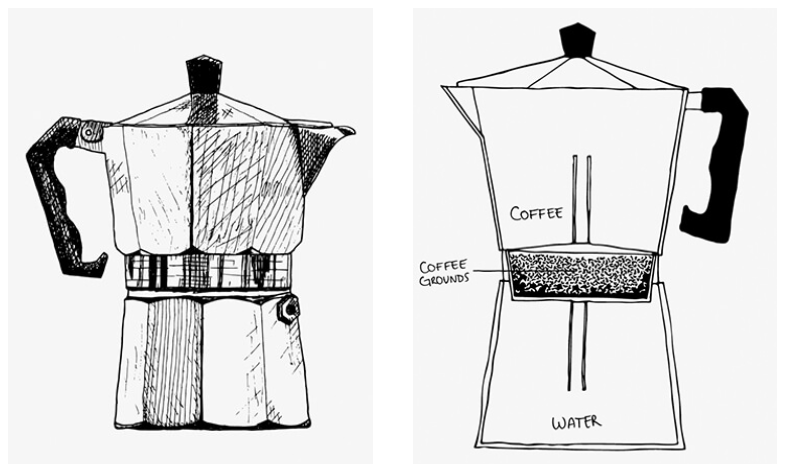
If you decide to use a Moka pot to brew strong coffee at home, here are the basic steps: First, it’s recommended to pour an appropriate amount of warm water into the lower chamber, which helps shorten the heating time and improve overall extraction efficiency. Next, precisely weigh19 to 20 gramsof coffee beans, grind them to a fineness similar to table salt, pour them into the filter to about nine-tenths full, and gently tamp the surface to ensure the coffee grounds are evenly distributed and compact. Then, tightly screw the upper and lower chambers together to prevent leakage during extraction. Place the Moka pot on a small gas stove or induction cooker and heat it over medium heat. Once you hear a distinct hissing sound, reduce the heat to low to allow the coffee to flow out slowly. When the sound turns into a subtle bubbling noise, you can turn off the heat to avoid over-extraction. At this point, a rich and fragrant cup of coffee is ready.
It’s important to note that because the Moka pot relies on high-temperature, high-pressure steam for extraction, these conditions are not ideal for single-origin beans with light to medium roasts. The lighter the roast, the harder the coffee bean structure, which makes it difficult to release enough flavor within a short time and may even prevent proper crema formation. Therefore, it is recommended to usemedium to dark roastedcoffee beans to achieve better extraction results and a richer flavor.
If you are a beginner, it is recommended to start with well-reviewed classic espresso blends available on the market. For example, a dark roasted blend consisting of Brazilian pulped natural, Indonesian Mandheling, and Vietnamese washed beans not only offers an enticing roasted aroma but also delivers a full-bodied crema, greatly enhancing the drinking experience—it is a top choice for many novices.
The above content is compiled by CoffeeHunters, a coffee news website.


