







Introduction:Americano is made by diluting espresso with water, and the key to its flavor profile lies in the extraction quality of the espresso. However, adjusting extraction parameters often requires extensive trial and error and consumes a lot of coffee beans. This article provides an easy-to-understand guide on how to quickly find the right espresso parameters, covering adjustment techniques for grind size, coffee dose, and yield, while also introducing the health benefits of black coffee and the correct way to enjoy it—helping you brew a more delicious and healthier cup of black coffee.
Americano is essentially espresso plus hot water, so the overall flavor and quality of the drink largely depend on the extraction result of the espresso itself. Many coffee beginners or home brewers often encounter this issue: even when using good-quality coffee beans, why does the resulting Americano lack smoothness or taste off? In many cases, the problem lies in improperly adjusted espresso extraction parameters.
To brew an ideal shot of espresso, common variables include grind size, coffee dose, yield, water temperature, and pressure. However, for most situations, as long as water temperature and pressure are set within reasonable ranges (e.g., around 90–96°C for water temperature and about 9–10 bar for pressure), frequent adjustments are not necessary. What truly requires careful fine-tuning are the following:grind size, coffee dose, and yield—these three core parameters.
Among these three,grind sizeis the one that most frequently needs adjustment because it directly affects the extraction speed of the coffee grounds and the release of flavors. Often, simply turning the grind setting on your grinder slightly can noticeably improve the extraction result. Coffee dose and yield together determine the strength and extraction ratio of the espresso, but the range for adjusting these two is usually more limited—especially the coffee dose, which must be set according to the capacity of your portafilter basket. It’s generally recommended not to exceed the “full dose line” marked inside the basket, as doing so may lead to uneven tamping or channeling.
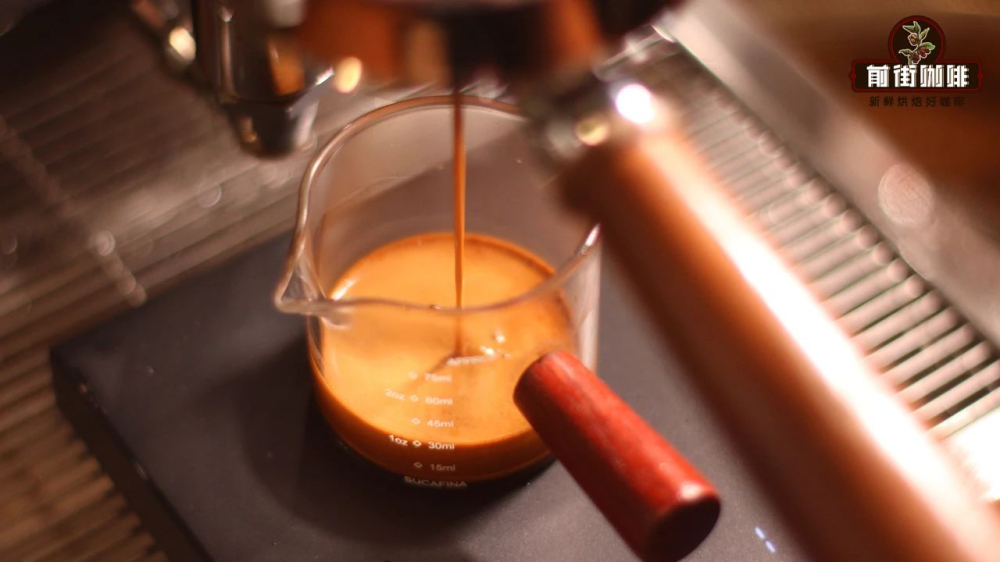
A common espresso extraction ratio is the1:2 coffee-to-water ratio,meaning 1 gram of coffee grounds yields 2 grams of espresso, with an extraction time controlled between 25–30 seconds. For example, if you’re using a portafilter basket with a capacity of about 20 grams, it’s recommended to use 20 grams of coffee grounds, aiming to extract 40 grams of espresso, with an extraction time of around 25–30 seconds being ideal. In practice, you can start by estimating an approximate grind coarseness based on the roast level and appearance of the beans, perform an initial extraction, and observe the extraction time. If the time is too fast or too slow, adjust the grind setting to fine-tune it.
When adjusting the grind setting, it’s advisable to do so in “small, incremental steps.” If the time differs from the ideal value by within 5 seconds, adjust by approximately 0.2 notches each time; if the difference is larger, you can adjust by 0.5 to 1 notch at a time, gradually approaching the optimal extraction range. Experience shows that even if the first set of parameters aligns with the ideal 1:2 ratio, it doesn’t guarantee ideal flavor, as different coffee beans vary greatly in characteristics—sometimes further fine-tuning is needed based on actual flavor performance.
Here are a few practical examples: If the espresso you pull has a moderate concentration but exhibits noticeable burnt bitterness or astringency, it’s likely due to over-extraction caused by too long an extraction time. In this case, it’s recommended to make the grind coarser to shorten the extraction time. Conversely, if the coffee has a rich flavor but a short aftertaste and lacks persistence in mouthfeel, you might consider increasing the yield—for instance, adjusting the ratio to 1:2.5—to allow more coffee compounds to be extracted, thus extending the flavor complexity.
Additionally,control of yieldis also crucial. It not only determines the total volume of the espresso but also directly affects its concentration and overall extraction efficiency. Simply put, the higher the yield, the lighter the espresso—but improper control may also lead to under-extraction. On the other hand, too low a yield, while resulting in high concentration, can easily lead to over-extraction and produce unpleasant bitterness. Therefore, it’s recommended to flexibly use a coffee-to-water ratio range of 1:2 to 1:2.5 based on personal taste preferences to find the balance that suits you best.
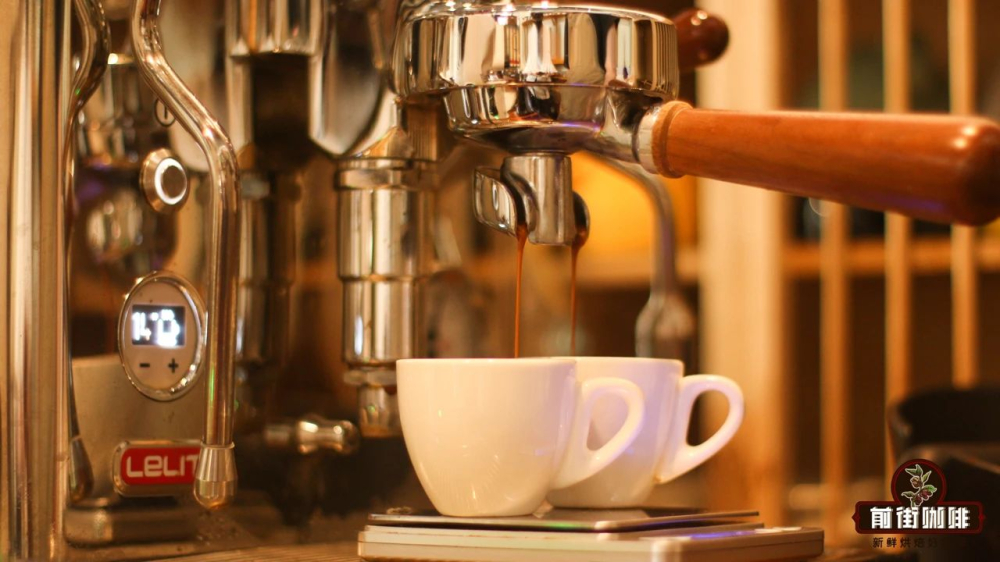
Having discussed the technical details of espresso extraction, let’s also talk about the health benefits of black coffee. Pure black coffee contains no sugar or creamer, is extremely low in calories, and is rich in antioxidants such as chlorogenic acid and caffeine, which help boost metabolism, enhance focus, and increase alertness. Many studies have indicated that moderate consumption of black coffee may also be associated with a reduced risk of certain chronic diseases, such as type 2 diabetes and Parkinson’s disease. However, it’s important to note that excessive caffeine intake may cause palpitations, insomnia, or stomach discomfort, so it’s recommended to keep daily caffeine intake within 300–400 milligrams—that’s equivalent to about 2–3 cups of Americano (calculated at roughly 150 milliliters per cup with caffeine content of about 100–150 milligrams).

In summary, brewing a great cup of Americano hinges on mastering the principles of espresso extraction and parameter adjustment techniques. Whether you’re a beginner or an experienced coffee enthusiast, as long as you understand the basic logic of grind size, coffee dose, and yield—and accumulate experience through hands-on practice—you’ll gradually discover the optimal extraction settings tailored to your preferred flavor, and enjoy a balanced, healthy, and energizing cup of black coffee.
The above content is compiled by CoffeeHunters, a coffee news website.


