







Introduction:As the birthplace of Arabica coffee, Ethiopia has nurtured a diverse and layered range of coffee flavors. This article delves into two renowned regions—Sidama and Yirgacheffe—to explore their differences in processing methods, flavor profiles, and geographical conditions. It also offers practical pour-over brewing tips to help readers fully appreciate the unique charm of Ethiopian coffee through its acidity, sweetness, and aroma.
Ethiopia is the cradle of Arabica coffee. The region’s varied altitudes, microclimates, and soil conditions have created an unparalleled spectrum of coffee flavors. From the sun-dried Sidama beans with their intense berry and wine-like notes to the washed Yirgacheffe with its bright floral and citrus tones, these two regions have become essential tasting experiences for specialty coffee enthusiasts.
When it comes to Ethiopian coffee, the concept of "terroir" is crucial. Just as wines from different plots in France’s Burgundy region showcase distinct characteristics, Ethiopian coffee exhibits unique personalities shaped by microclimates, altitudes, and processing techniques. From tropical highlands to cool mountainous areas, different regions impart varying acidity structures and sweetness levels to the beans.
Among the many regions, Sidama and Yirgacheffe are the most well-known and often serve as the first flavor-training grounds for beginner coffee drinkers. Though geographically close, they offer contrasting taste experiences due to differences in processing methods and microclimates. Sun-dried Sidama beans often display rich berry, creamy, and wine-like notes, while washed Yirgacheffe is known for its citrus, white floral, and honeyed sweetness.
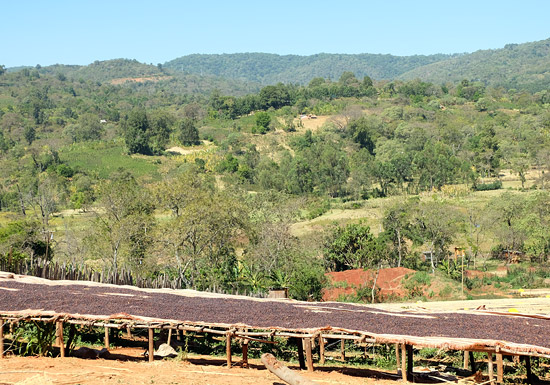
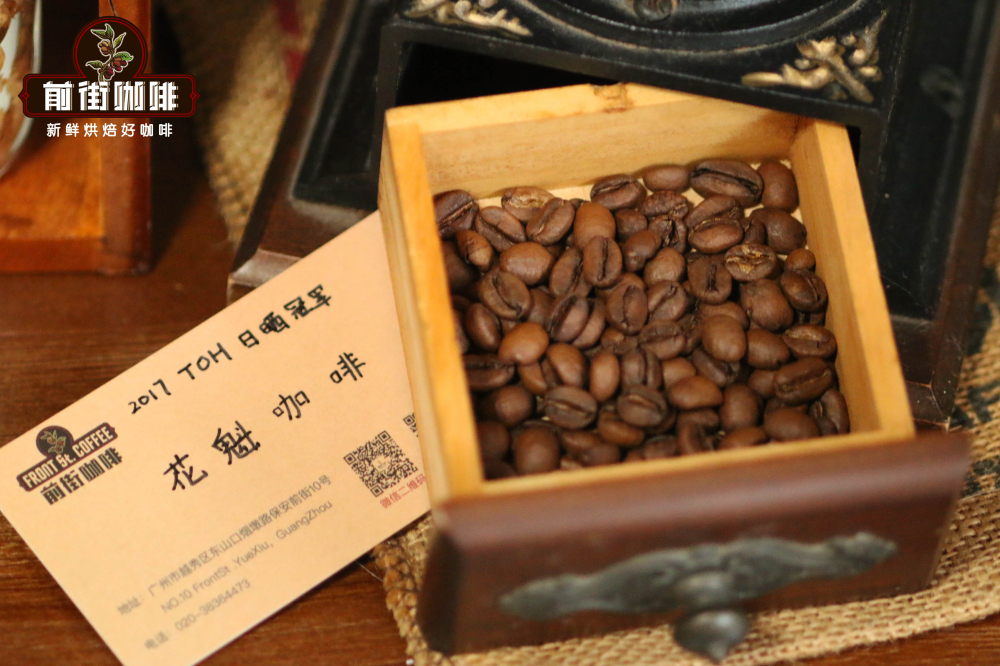
Take the Hambella sub-region of Sidama, for example. In 2017, a lot of sun-dried beans from Buku Abel washing station won the Ethiopian leg of the TOH (Taste of Harvest) competition. These beans were later introduced to the market under the name "Huakui" (Flower Queen), generating tremendous buzz in China. They even made a surprising splash in global coffee competitions by defeating several Panamanian Geisha beans, proving that sun-dried Ethiopian beans are equally competitive.
Yirgacheffe, on the other hand, represents the refined side of Ethiopian coffee. Originally, like Sidama, it primarily used the sun-drying method. However, in the 1970s, to achieve more stable and crisp flavors, local producers adopted the washed technique from South America. This method involves removing the pulp and mucilage and fermenting the beans in temperature-controlled water tanks, resulting in a cleaner, brighter acidity. Thanks to this, Yirgacheffe gradually stood out and became the first specialized region to split from Sidama.
Today, Yirgacheffe employs a wider variety of processing methods, including not just traditional washed but also many excellent sun-dried lots. Particularly when selecting fully red cherries (fully ripe coffee fruit) for sun-drying, sweetness and aroma complexity can be significantly enhanced. This advanced processing method enriches the berry and floral layers of Yirgacheffe while maintaining a clean, bright acidity.
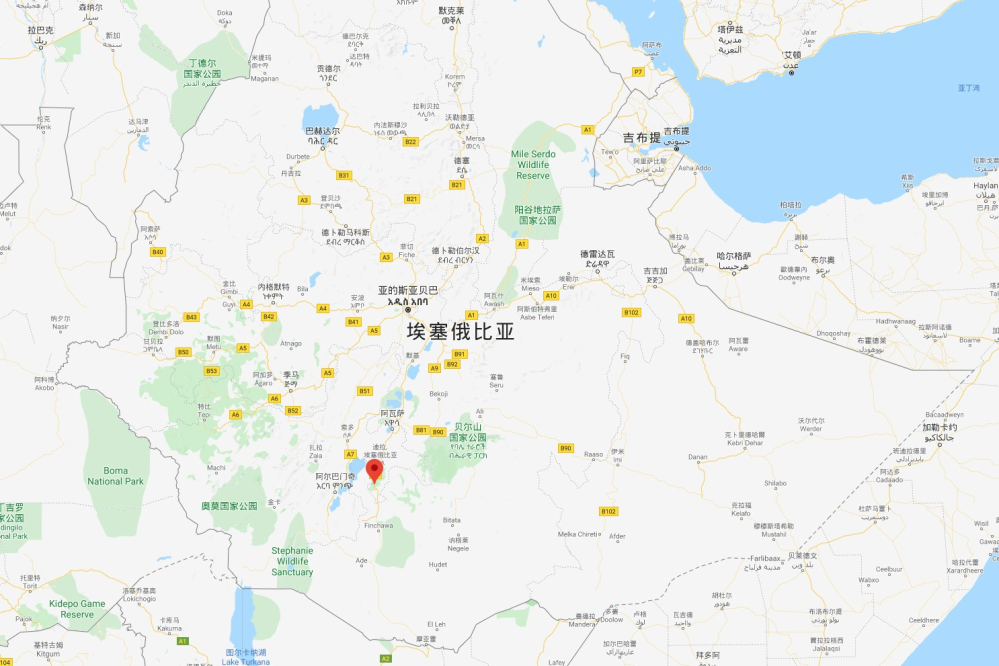
One coffee brand’s offering once featured several beans from renowned Yirgacheffe washing stations, among which the washed beans from Gedeb Cooperative and the sun-dried beans from the Red Cherry Project received the most attention. Established in 2012 after splitting from Worka Cooperative, Gedeb Cooperative quickly gained fame for its refined washed processing. Located at an altitude of about 2000–2100 meters and using local heirloom varieties, its washed beans often exhibit distinct apricot, green tea, and refreshing sweetness, with soft acidity and a long, lingering finish.
Another popular bean, "Red Cherry," comes from the Aletaland estate and is sun-dried. This lot carefully selects only fully red cherries. Processed at a high altitude of around 1700–2200 meters, the extended sun-drying allows the sugars and aromas from the fruit pulp to fully penetrate the green beans. Its flavor profile typically includes white floral, berry acidity, and subtle wine notes. It tastes bright on the palate and has a long finish, making it ideal for coffee lovers who enjoy a balanced mix of sweetness and fruity notes.
For such high-quality Ethiopian beans, it is recommended to use a Hario V60 dripper for pour-over brewing to fully highlight their delicate aromas and sweet-acidic layers. Suggested parameters are as follows: 15 grams of coffee, water temperature around 91°C, coffee-to-water ratio of 1:15, and grind size equivalent to 80% passing through a #20 Chinese sieve (medium-fine). Start with a 30-second bloom using 30 grams of water to release gases, then pour in a thin stream in circular motions from the center outward up to 125 grams. Once the water level drops, continue pouring to 225 grams. Total brew time is approximately 2 minutes.
It’s important to note that you should not rush to end the brew during extraction. Although the latter stages may show less obvious sweetness and body, they contribute to tea-like, nutty, and woody notes, rounding out the overall flavor profile. If you prefer stronger fruit acidity or a crisper taste, you can fine-tune the grind size or water temperature according to your taste to find your optimal balance.

In summary, the charm of Ethiopian coffee lies in the unique flavors shaped by its diverse landscapes and exquisite processing techniques. The boldness of Sidama and the delicacy of Yirgacheffe, the intensity of sun-dried and the clarity of washed—all showcase the boundless potential of African coffee. Whether you’re a beginner exploring pour-over or a connoisseur chasing deep flavor, understanding the differences between these regions and processing methods will allow you to discover deeper taste surprises in every cup of Ethiopian coffee.
The above content is compiled by CoffeeHunters, a coffee news website.


