








Introduction:Want to deeply understand the essence of pour over coffee? This article systematically outlines the core terminology in the pour over realm, covering extraction principles, brew ratio settings, blooming techniques, and other foundational concepts, while also extending to analyses of differences between espresso, Combo combinations, SOE single-origin espresso, and blended beans. Whether you're a beginner or an advanced enthusiast, this guide will help you master the professional language of brewing and optimize your parameters to enhance flavor performance.
The coffee field contains a wealth of specialized terminology—these conventionalized terms can significantly improve communication efficiency among enthusiasts. This article focuses on the pour over scenario, comprehensively explaining key terms ranging from basic equipment setups to advanced brewing concepts, helping you accurately understand the relationship between brew parameters and flavors.

The so-called "pour over ABC set" specifically refers to the classic trio of tools: the ACAIA digital scale, the Brewista pour over kettle, and the C40 Commander hand grinder. These three pieces of equipment are widely recognized in the professional coffee community as high-cost-performance choices for beginners, thanks to their stable weighing precision, accurate flow rate control, and efficient grinding capabilities.

Extraction is essentially the process of using water as a medium to dissolve the aromatic substances and flavor compounds within coffee beans. Common extraction methods include immersion (e.g., French press), drip filtration (e.g., V60), and siphon brewing, with each method influencing the final flavor complexity.
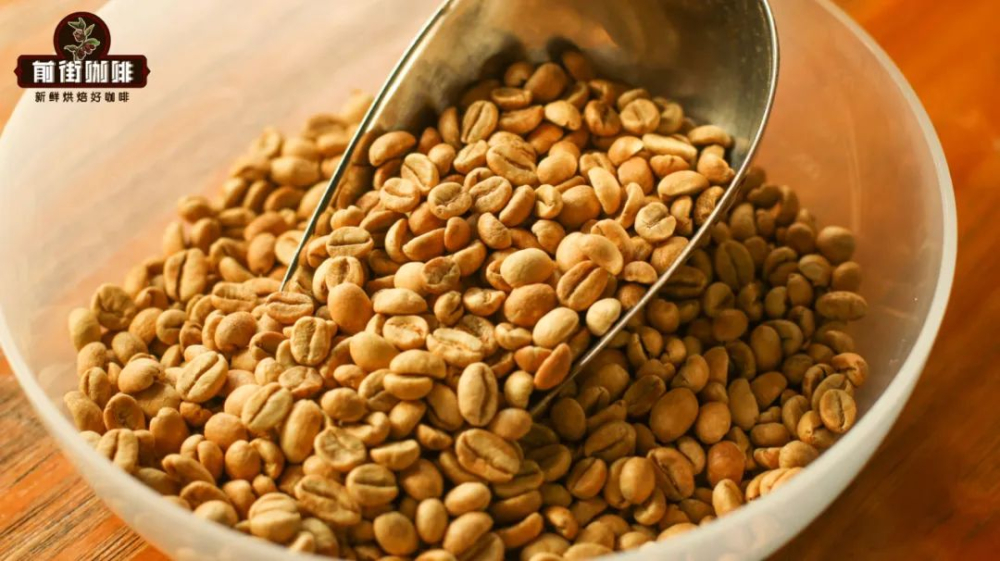
The brew ratio (coffee-to-water ratio) directly affects coffee strength and flavor balance. The standard range is 1:15 to 1:18 (each gram of coffee grounds to 15–18 milliliters of water), such as 15 grams of grounds to 225–270 milliliters of water. Beginners are advised to start with a 1:16 ratio, then adjust based on flavor feedback.
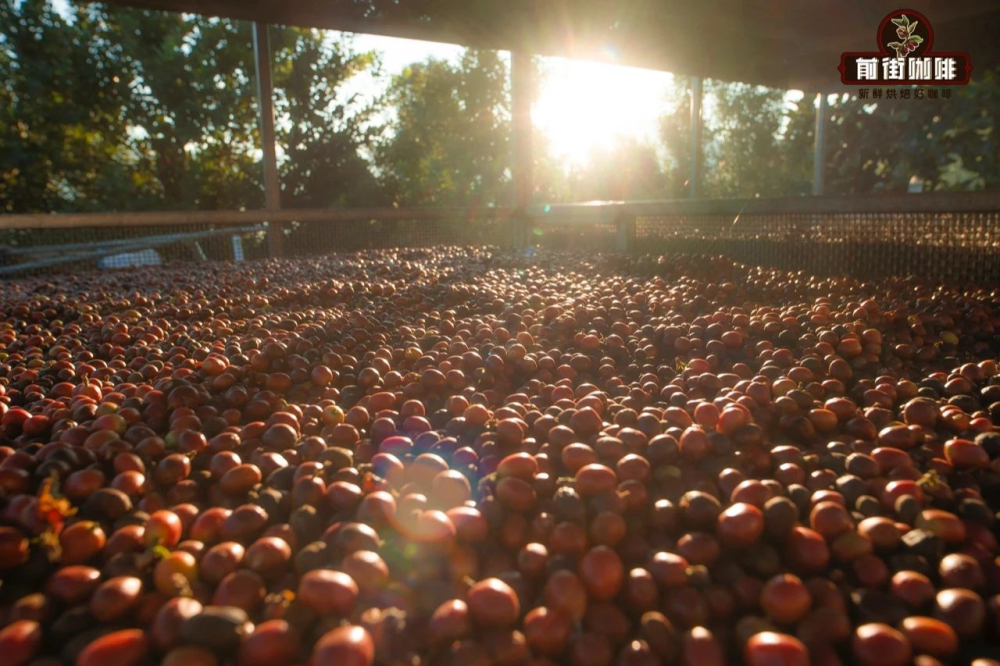
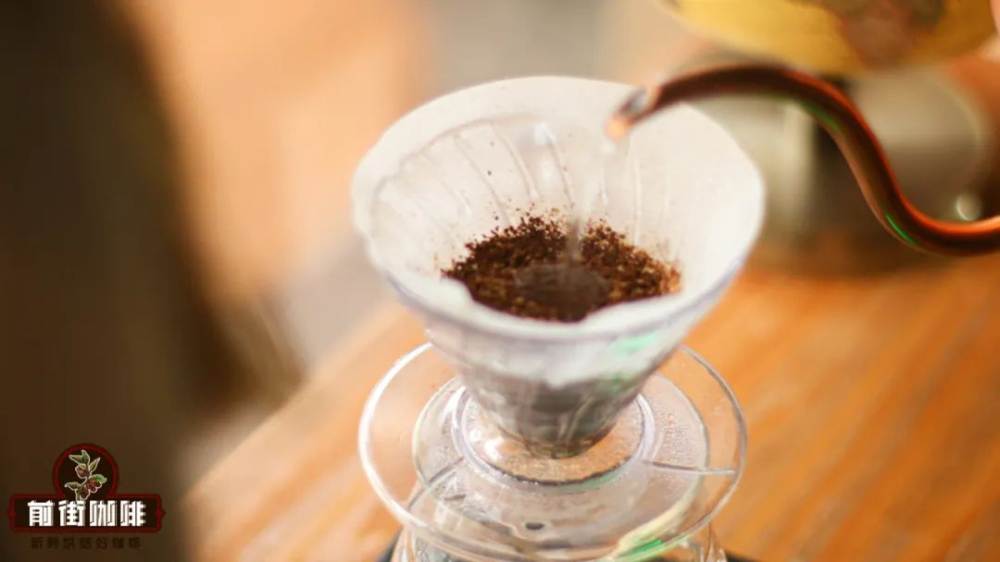
Blooming is a key preparatory step in pour over: pour hot water at around 93°C in a circular motion, using about twice the weight of the coffee grounds (e.g., 30 milliliters of water for 15 grams of grounds), for approximately 30 seconds. This process releases carbon dioxide from the coffee grounds, creating optimal conditions for even extraction afterward.
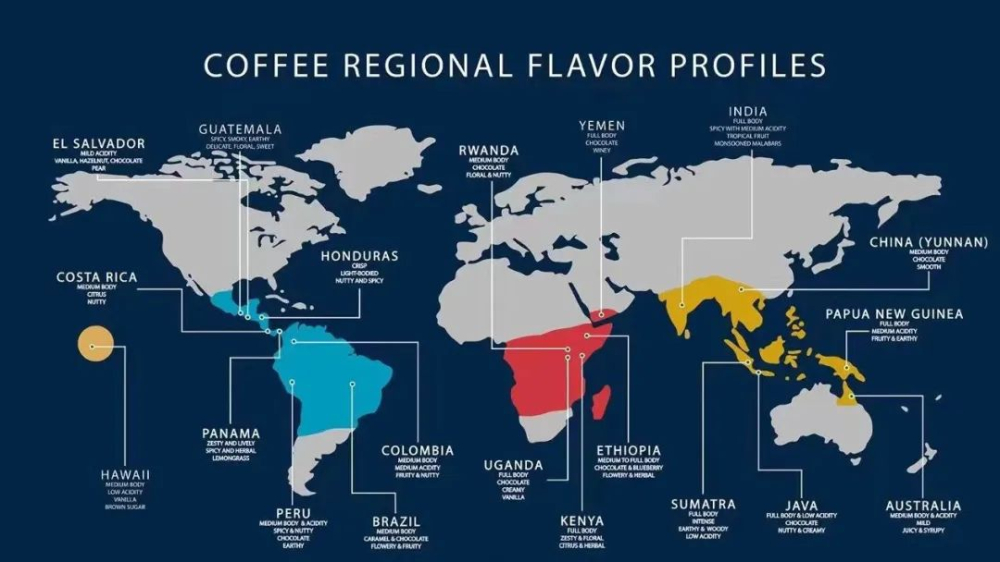
Espresso generally refers to the concentrated coffee extracted under 9–10 atmospheres of pressure using an espresso machine, typically yielding around 30 milliliters of high-concentration beverage. Derivative drinks such as lattes and cappuccinos are made based on this.
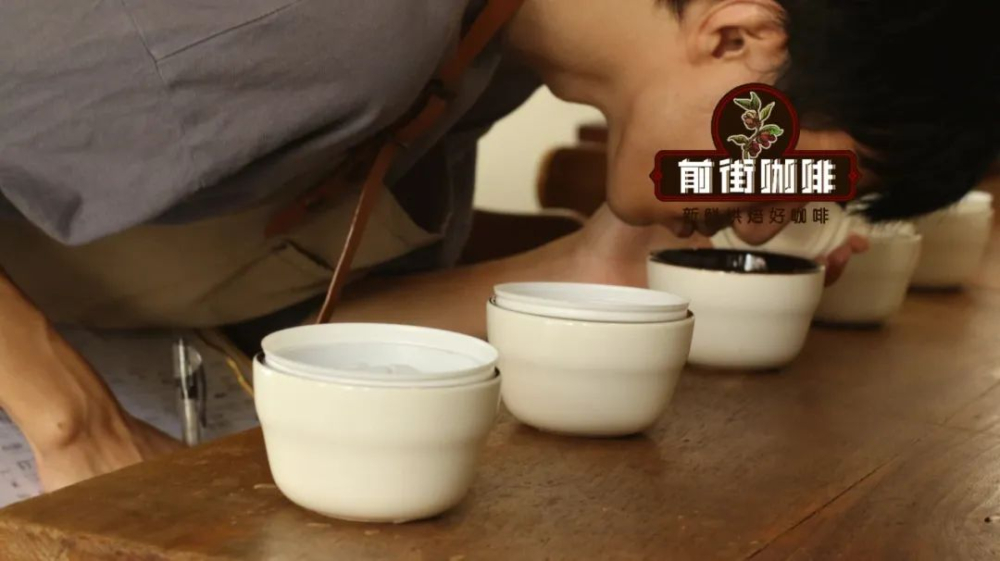
In coffee terminology, a Combo refers to using the same coffee bean to prepare two or more different types of drinks (e.g., espresso + pour over), showcasing the bean’s diverse flavor potential through comparison. Common combinations include espresso + Americano or pour over + cold brew.

SOE (Single Origin Espresso) specifically refers to espresso made from coffee beans sourced from a single origin, emphasizing regional terroir characteristics. Note that SOE applies only to the espresso format and should not be confused with pour over usage.
Blended coffee consists of beans from two or more origins mixed in specific proportions. Its primary advantages lie in balanced flavor stability (e.g., reducing the risk of defects from a single origin), cost control, and creating unique flavor layers. It is commonly found in the base beans used by commercial chain coffee shops.
The above content is compiled by CoffeeHunters, a coffee news website.


