







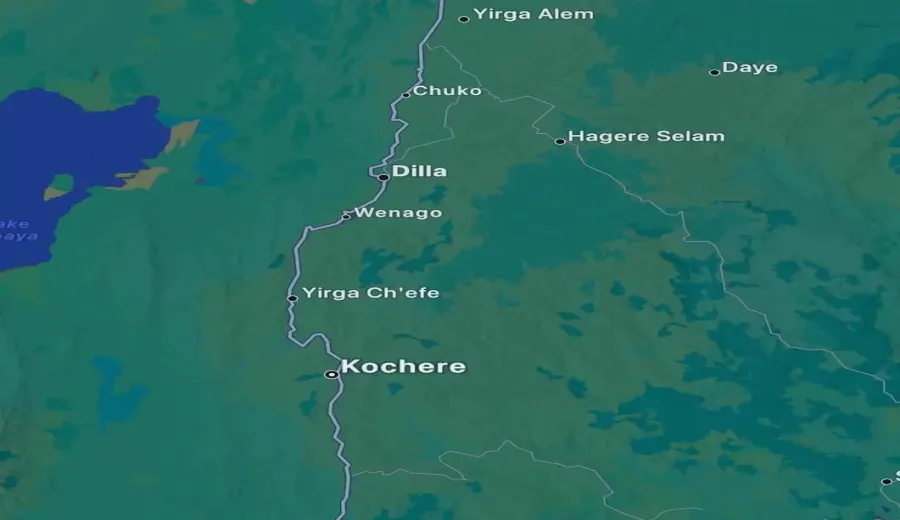
Introduction:This article delves into the washed G1 grade coffee beans from Kochere, a micro-region under Ethiopia’s Yirgacheffe, examining everything from altitude conditions and processing methods to aroma profiles and production details. It also introduces representative cooperatives in the area and shares actual cupping experiences to help you understand why coffee from this region has earned such high acclaim on the international market, along with practical purchasing and brewing recommendations.
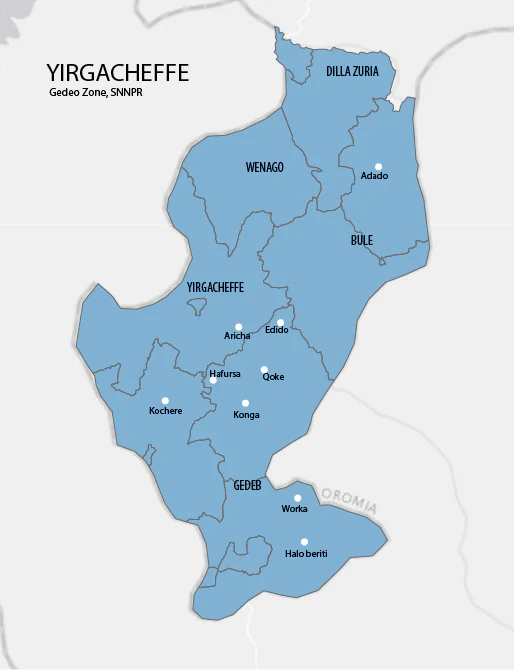
Yirgacheffe is an immensely renowned coffee-producing region in southern Ethiopia, encompassing smaller sub-regions such as Wenago, Gelena Abaya, and Kochere. Due to their similar geographical conditions, the coffees produced in these areas share flavor profiles akin to those from Yirgacheffe town itself, and are thus categorized under the same umbrella. Among them, Kochere, located about 25 kilometers southeast of Yirgacheffe, is particularly celebrated for its high-quality washed coffee beans.
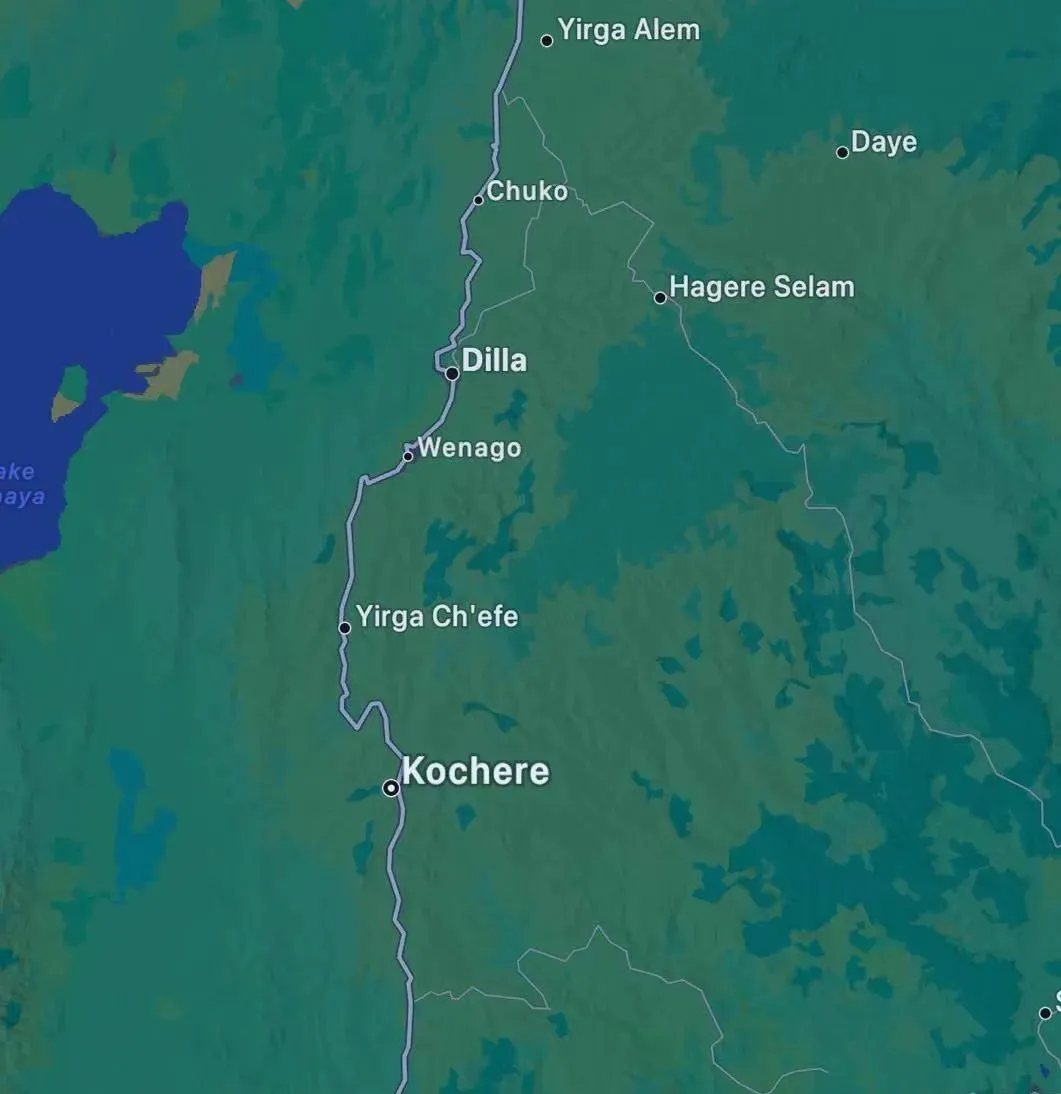
Kochere sits at an elevation ranging between 1650 and 1800 meters, offering not only an ideal environment for growing Arabica coffee but also boosting the local economy through a thriving coffee industry. The region has a population of around 100,000, with the majority of residents relying on coffee as their primary source of income. More importantly, Kochere boasts relatively well-developed coffee processing and production facilities, which contribute to excellent quality control and consistency in processing. Professional review site Coffee Review has awarded washed beans from this region a remarkable score of 94, underscoring the high quality standards.
Administratively, Kochere is one of the 77 Woredas (districts) within Ethiopia’s Southern Nations, Nationalities, and Peoples' Region (SNNPR), and falls under the Gediyo zone of the Yirgacheffe area, making it one of the key coffee-producing regions there. Within Kochere, there are further subdivisions into multiple micro-regions. Some coffee lots are named according to specific origins, such as Chelelektu or Teklu Dembel, or processing stations, such as the Alim washing station, to enhance traceability. This naming approach aligns with current specialty coffee trends that emphasize origin transparency and flavor consistency. Generally, lots with higher traceability tend to exhibit more consistent flavor profiles, though they often come at a higher price.
Within the broader Yirgacheffe region, Kochere is regarded as one of the most representative core zones. In the classification system of the Ethiopian Commodity Exchange (ECX), Kochere is even listed as a separate region, highlighting its unique standing within the overall Yirgacheffe framework. Cupping results from the industry show that Kochere’s coffee beans possess a very distinctive personality, with richly layered aromas and tastes, achieving an exceptional balance between citrus acidity, fruity notes, and silky mouthfeel.
Take the G1 grade washed Kochere coffee as an example: these high-altitude-grown green beans exhibit a remarkably clean lemon aroma, accompanied by elegant jasmine, cantaloupe, ginger, and spiced tea notes. These characteristics not only make it stand out in cupping sessions but have also made it a classic flavor benchmark favored by many pour over enthusiasts.
Characteristics of the Washed Processing Method
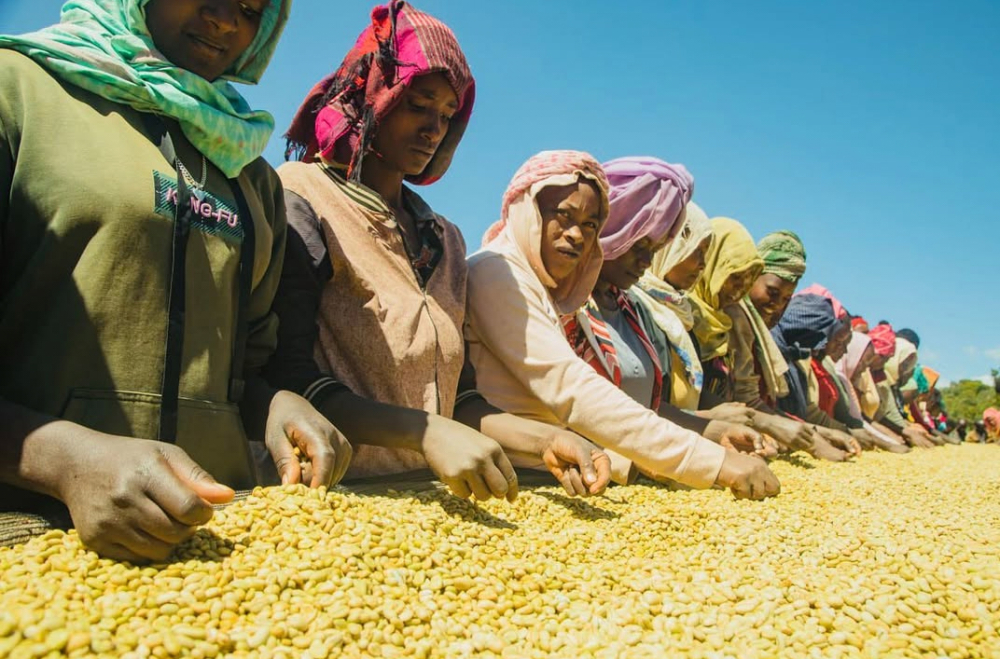
The so-called washed processing method (Washed Process) is a traditional technique that uses water to remove the outer layers of the coffee cherry. The basic steps include: first floating the coffee cherries to remove unripe or defective ones, then using machines to remove the outer skin, followed by soaking in fermentation tanks to break down the mucilage layer, subsequently washing away residual mucilage with clean water, and finally drying either naturally or mechanically until the moisture content reaches around 12%. The final step involves removing the outer parchment layer to produce the familiar green coffee beans.
Compared to the natural (sun-dried) method, washed processing demands higher infrastructure requirements, such as a stable water supply, hulling equipment, and fermentation tanks, meaning it’s not suitable for all regions. However, its advantages are also clear: it can effectively reduce defect rates in green beans, improve overall quality consistency, shorten drying times, and enhance production efficiency. Furthermore, the washed method highlights the coffee’s inherent “cleanliness” and “bright acidity,” resulting in a final flavor that is clearer and more layered.
Recommended Washed G1 Coffee Beans from Kochere
Among the many micro-regions of Yirgacheffe, Kochere is seen as the essence of the larger region due to its mature processing techniques and outstanding flavor performance. The washed G1 coffee introduced to the industry is made from local heirloom varieties, grown at altitudes of approximately 1650 to 1800 meters, and processed via the washed method to deliver a highly clean, bright, and layered flavor profile. During cupping, one often detects clear lemon acidity, delicate floral notes, and a silky tea-like mouthfeel, making it an ideal choice for pour over lovers.
Additionally, the washed G1 coffee from the Geddina cooperative is also worthy of attention. This cooperative was formed by 300 smallholder farmers originally part of the Worka cooperative and later became independently operated, known for its adherence to traditional washed processing techniques and hailed as “the last pure land of Yirgacheffe.” The coffee is grown at altitudes of 1900 to 2300 meters, with a rigorous processing procedure, and features notes of citrus, green tea, prune, honey, and flowers. Its acidity is soft yet layered, making it suitable for brewing methods such as pour over, drip bags, and French press, each revealing different flavor dimensions.
Overall, whether it's the coffee beans from Kochere or the Geddina cooperative, both showcase the high level of expertise in washed processing techniques and flavor expression within Ethiopia’s Yirgacheffe region. For coffee enthusiasts aiming to deeply explore the premium micro-regions of Yirgacheffe and uncover the potential of washed G1 coffee, the green beans from these regions are undoubtedly valuable references full of sensory enjoyment.
The above content is compiled by CoffeeHunters, a coffee news website.


