







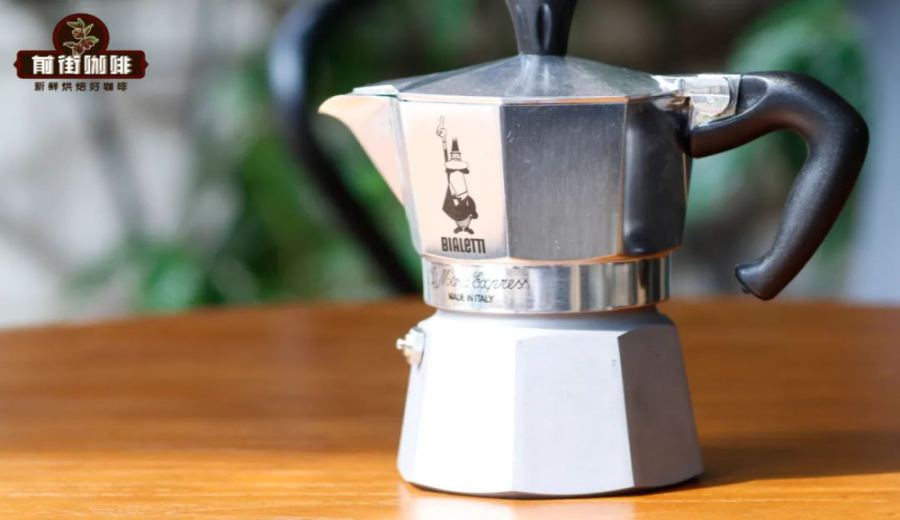
Introduction:Want to brew a cup of coffee with rich crema and balanced acidity using a Bialetti Moka Pot? The key lies in selecting the right coffee beans and mastering the correct grind size and brewing techniques. This article will take you through an in-depth exploration of low-acidity coffee bean types suitable for Moka Pot use, precise grind size judgment, and every operational detail from heating to pouring out the coffee—helping you enhance the quality and flavor of each extraction.
Since its debut in 1933, the Bialetti Moka Pot has been an essential kitchen tool in many European households, especially beloved by Italians. This device uses steam pressure generated by heating the lower chamber to push water upward through the layer of coffee grounds in the middle, extracting a rich and layered coffee liquid. If you want every cup to have abundant crema and a smooth mouthfeel, in addition to the correct operation procedure, selecting suitable low-acid coffee beans and adjusting the grind size appropriately are the keys to success.
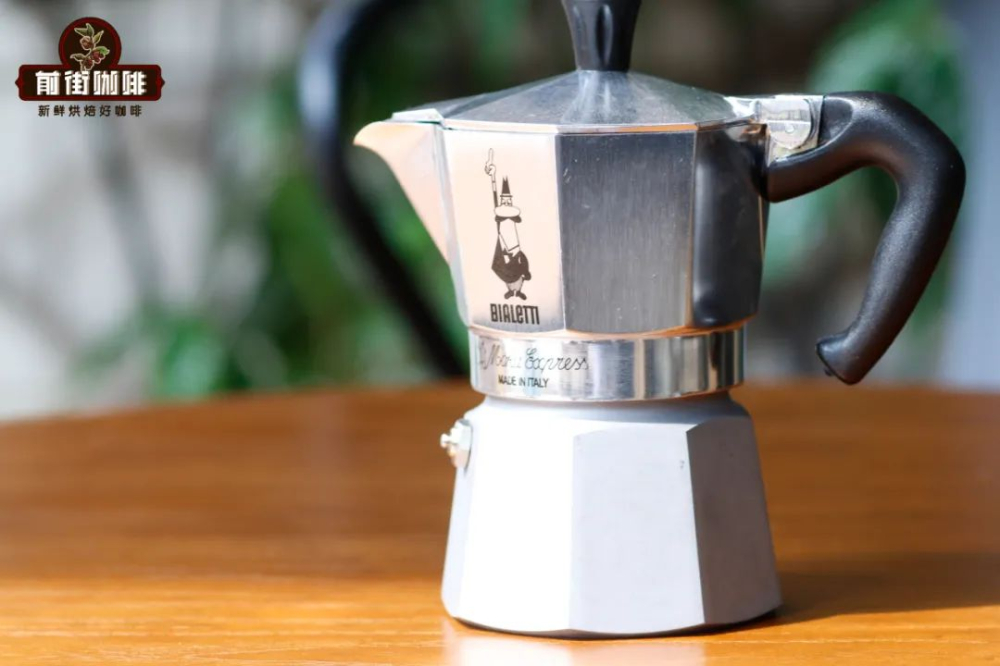
The Moka Pot consists of three parts: the upper chamber holds the brewed coffee, the middle filter basket contains the coffee grounds, and the lower chamber is used to hold water and generate pressure through heating. Traditional Moka Pots are often made of aluminum alloy and require open-flame heating, while modern versions are commonly made of stainless steel and can also be used on induction cooktops. Commercially available Moka Pots typically have capacities for 2 to 3 servings, making them suitable for everyday household use. When the water in the lower chamber is heated, the steam pressure rises, pushing the water through the coffee grounds layer, releasing aroma and flavor compounds, ultimately forming a rich cup of coffee.
To achieve successful extraction, it is first necessary to use freshly roasted coffee beans that are at their optimal flavor period—this is a core factor influencing flavor release. The carbon dioxide and aromatic compounds produced during the coffee roasting process gradually dissipate over time, so it is recommended to choose products with a roasting date within five days to ensure full flavor. Additionally, for Moka Pot brewing, it is recommended to use medium-dark roasted coffee beans. These beans generally have lower acidity and can exhibit a rich body and crema layer under pressure extraction.
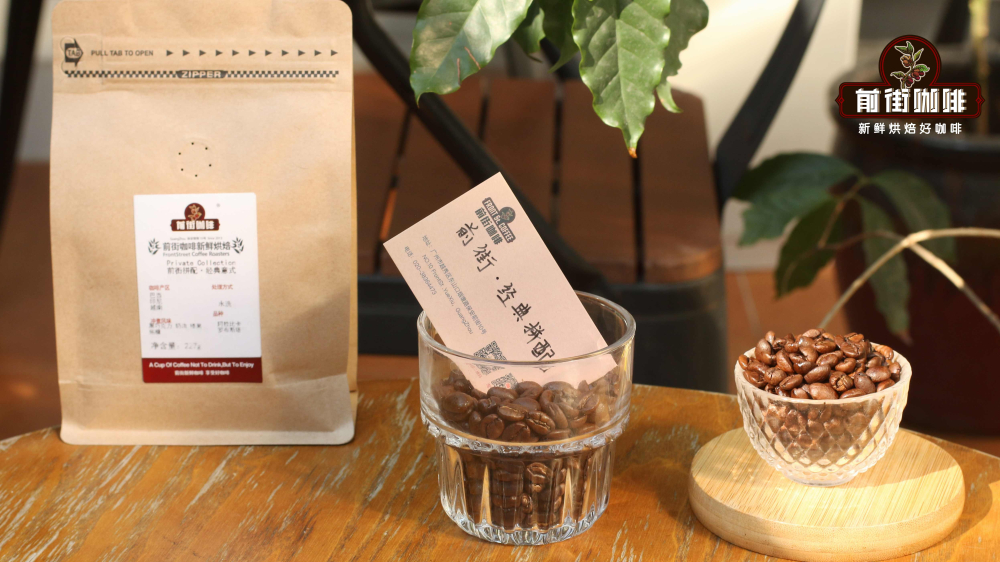
For Moka Pot use, medium-dark roasted coffee beans are the top choice. If you prefer intense crema and balanced flavors, you may consider Italian-style blends, which are often designed specifically for espresso machines but are also very suitable for Moka Pot use. Their roast level helps reduce the risks of over-extraction or under-extraction, making them ideal for beginners. If you want to further explore different flavor profiles, you can choose blends or single-origin beans with varying characteristics based on personal taste—such as Sumatra beans with a strong spice note, or options with sweet floral and fruity aromas.
Here is a practical Moka Pot operation process: First, add hot water to the lower chamber, with the water level recommended to be about 0.5 cm below the safety valve. Using hot water can reduce the soaking time of the coffee grounds, effectively lowering the risk of over-extraction and shortening the overall brewing time. Next, grind the coffee beans to a slightly finer consistency than pour over but slightly coarser than professional espresso—roughly close to the texture of fine sugar—and make sure the coffee grounds are evenly filled in the filter basket and the surface is level. This helps ensure stable water flow and improves extraction consistency.
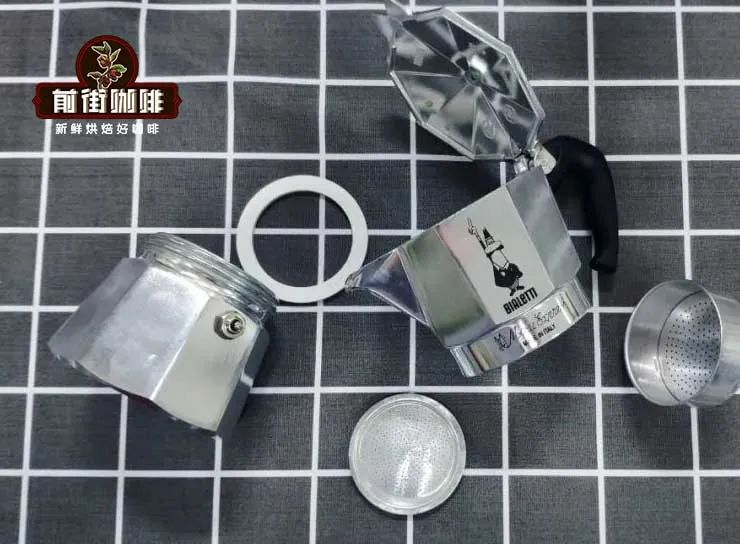
Place the filter basket filled with coffee grounds back into the lower chamber, securely tighten the upper chamber, and then begin heating. It is recommended to use low to medium heat. When you hear faint hissing sounds coming from inside the pot, it indicates that pressure is gradually building up. At this point, reduce the flame and observe the flow of coffee liquid from the upper chamber. Once the coffee starts dripping and reaches about half the capacity of the upper chamber, you can turn off the heat and let the residual heat complete the final extraction process. Avoid touching high-temperature metal parts during the process to prevent burns.
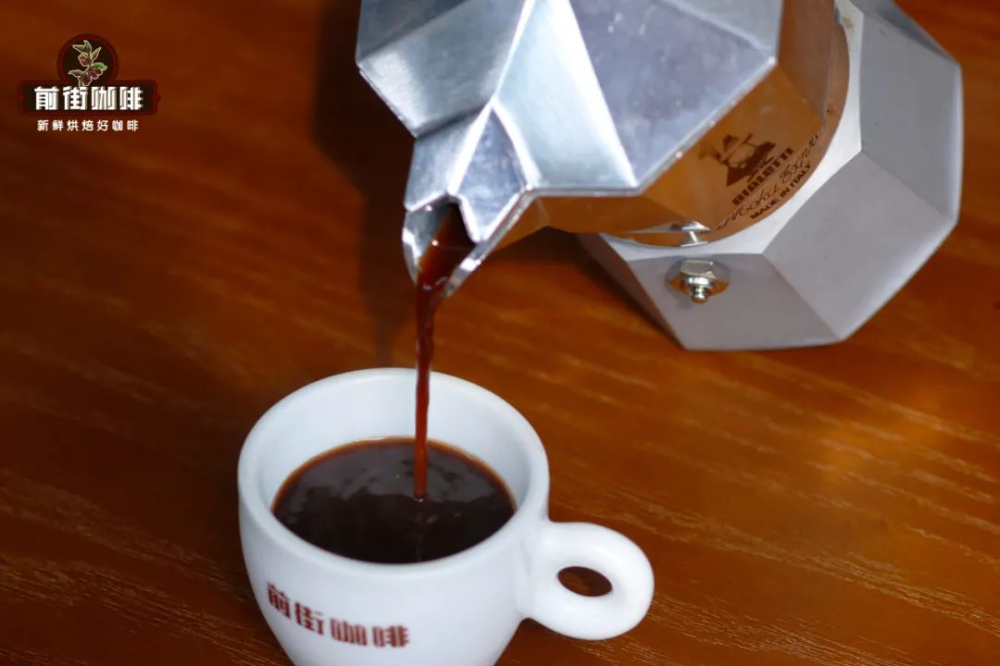
The brewed coffee liquid usually has a rich mouthfeel and a thick body, and may be accompanied by a noticeable crema layer. This crema not only adds visual appeal but also enhances the smoothness and concentrated flavor during drinking. The finished coffee can be paired with milk according to personal preference to make variations such as lattes or cappuccinos, or enjoyed straight to savor the original flavors. A special reminder: if the coffee flows out too quickly, it may be due to the grind being too coarse or the heat being too high; if the flow is too slow or even obstructed, it may be because the grind is too fine or the heat is insufficient—adjustments should be made as needed to achieve the best extraction result.
When operating the Moka Pot, there are several important precautions to keep in mind. First, the water level in the lower chamber must never exceed the safety valve position, as this may affect the function of the valve and increase usage risks. Second, observe the changes in coffee liquid flow rate as a reference for adjusting heat and grind size. If issues such as coffee splattering or uneven dripping occur during extraction, they may be related to grind size, tamping pressure, or heat control—gradual fine-tuning is recommended to find the most suitable parameter combination. Additionally, the metal material of the Moka Pot becomes extremely hot when heated, so please handle with care to avoid burns.
In summary, the key to making an ideal cup of coffee with a Bialetti Moka Pot lies in using freshly roasted medium-dark roasted coffee beans and performing extraction with the appropriate grind size and precise heat control. As long as you master these basic elements, even coffee beginners can easily enjoy a café-level rich coffee experience at home, savoring the captivating flavors woven from dark chocolate and caramel aromas.

The above content is compiled by CoffeeHunters, a coffee news website.


