








Introduction:Want to delve deeper into the unique charm of Ethiopian Sidamo coffee beans? This article provides a detailed introduction to the geographical environment and green bean characteristics of the Sidamo region, analyzes the differences between washed and natural processing methods, and further explores the flavor profiles of Guji Hambella Huaguai and the Yirgacheffe-Alishi region. Paired with practical pour over recommendations and flavor descriptions, it helps you fully grasp the essence of this world-class coffee-producing region.
Sidamo is a highly representative specialty coffee region in southern Ethiopia, on par with the renowned Yirgacheffe. The area primarily uses natural processing but also commonly produces washed beans, exhibiting a rich and diverse flavor profile that combines intense fruity and floral notes with notable sweetness and distinctive fermentation characteristics. This article will deeply analyze Sidamo’s regional background, bean variety traits, differences in processing techniques, and further introduce Guji Hambella Huaguai and the West Arsi (Yirgacheffe-Alishi) region, both part of the larger Sidamo zone. Practical pour over parameters and flavor evaluations are also provided to help you appreciate the charm of this core Ethiopian coffee region from multiple perspectives.
 When it comes to Ethiopian specialty coffee, many people first think of washed Yirgacheffe, whose fresh fruity-floral aroma is as enchanting as fruit tea. So, what makes Sidamo, also from Ethiopia, stand out?
Sidamo and Yirgacheffe are both important specialty coffee regions in Ethiopia, but their processing styles differ. Yirgacheffe is primarily washed, while Sidamo features a balance of both washed and natural processes, with the latter being more common. Many samples show that natural Sidamo often has more intense flavors, higher sweetness, and noticeable fermentation notes, with a texture as smooth as juice. Both washed and natural have their unique characteristics and are must-try choices for coffee enthusiasts.
Sidamo green beans often appear as unevenly sized grains with a slight grayish tint, with acidity and body varying widely—from mild to strong—while also combining sweetness and spicy notes. It is a typical garden-grown coffee from the highlands of southern Ethiopia. Compared to other African regions, Sidamo coffee offers clearer fruit acidity, smoother mouthfeel, and delicate floral-herbal aromas.
Naturally processed Sidamo typically exhibits pronounced floral notes, occasionally accompanied by earthy undertones; washed processing showcases nutty tones and mild cocoa aromas. Both have smooth mouthfeels and moderate acidity, making them suitable for light or medium roasts as single-origin coffees, while medium-dark roasts are often used for blends or high-quality espresso bases.
Washed Sidamo green beans are mostly light green in color, small and long-oval in shape, with relatively consistent overall quality, fragrant aroma, and wild layers. Upon tasting, you first notice gentle lemon acidity, followed by a rich mouthfeel and unique aftertaste, with a long finish and special sweetness. The overall flavor profile is layered and distinctive, with strong character.
 Ethiopia is not only one of the birthplaces of global coffee culture but also the world’s sixth-largest coffee producer. Statistics show that in 2018, about 100 million people worldwide depended directly or indirectly on the coffee industry for their livelihoods, with Ethiopia accounting for 20%. In 2017, the country produced approximately 470,000 tons of green coffee beans, with exports totaling around 160,000 tons, indicating a relatively high domestic consumption rate. Coffee is not only a vital cash crop for Ethiopia but also deeply embedded in local culture and daily life.
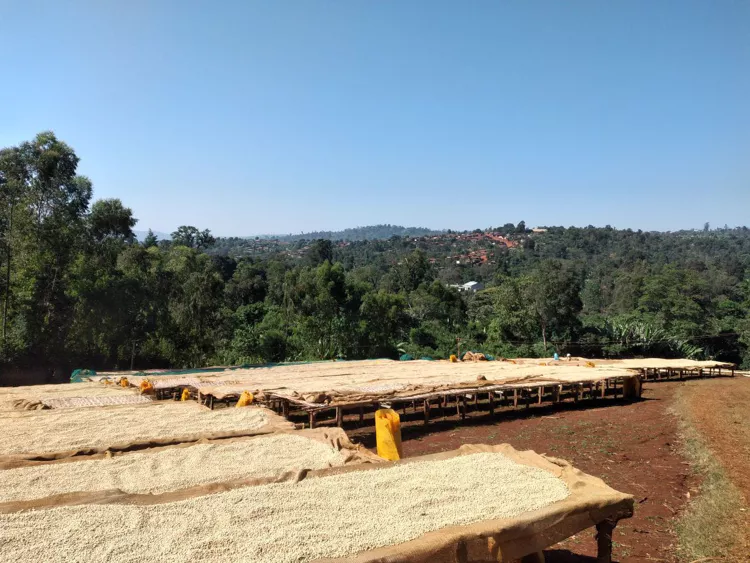
Coffee cultivation in the country is mainly concentrated in the west and south, with over half managed by smallholders in what is known as the "garden coffee" model, with each household typically farming no less than 4 hectares. Under this model, coffee trees are often intercropped with bananas and other crops, creating a unique agricultural landscape. Due to limited individual yields, local cooperatives or processing stations centralize production, selling the beans under the processing station’s name. For example, the previously supplied Gute Cooperative beans are a prime example of garden coffee collected by smallholders in Yirgacheffe town and uniformly washed.
The Sidamo region was established in 1942 and is one of Ethiopia’s highest-yielding coffee areas, named after the indigenous Sidamo ethnic group. Cupping results show that Sidamo coffee is known for its rich body, complex sweetness, clear acidity, and long-lasting aftertaste. Renowned beans such as Sidamo Santavi and Huaguai all come from this region.
Sidamo’s terrain is diverse, encompassing high mountains, plateaus, valleys, and plains, with soil consisting of well-draining, organic-rich volcanic earth that can reach depths of two meters, often appearing dark brown or brown at the surface. This unique soil and microclimate contribute to the diversity of Sidamo coffee flavors. Additionally, local practices of organic matter cycling maintain soil fertility, resulting in distinct characteristics among coffees from different towns. Between 2010 and 2012, Sidamo repeatedly received high scores of 92–94 from the international coffee evaluation website CR, proving the excellence of its green beans.
The Guji region is located in southern Ethiopia and was formerly part of Sidamo but was designated as an independent region by the Ethiopian Commodity Exchange (ECX) in 2010. Guji’s greatest fame comes from the Hambella area, the birthplace of the renowned "Huaguai" coffee. Hambella is separated from Yirgacheffe Kochere by a 3,200-meter-high plateau, creating significant day-night temperature variations that provide ideal conditions for specialty coffee growth.
In 2017, DW Coffee Company submitted a natural batch from the Buku Abel processing station to the TOH (Taste of Harvest) competition, which won first place with its intense strawberry and cream aromas. These beans were later introduced to China, where Li Jianfei used them to win second place in that year’s China Brewer’s Cup, earning the nickname "Huaguai" for its outstanding performance among numerous Geisha entries. Since then, DW has added multiple processing stations in the Hambella region, such as Buku Abel, Buku Saysay, Haro Soresa, and Tirtiro Goye, with an annual output of about 1,100 tons. Note that only the natural beans processed by Buku Abel are considered the original "Huaguai," with subsequent versions such as Huaguai 2.0 through Huaguai 6.0 (2025) released annually based on climate differences.
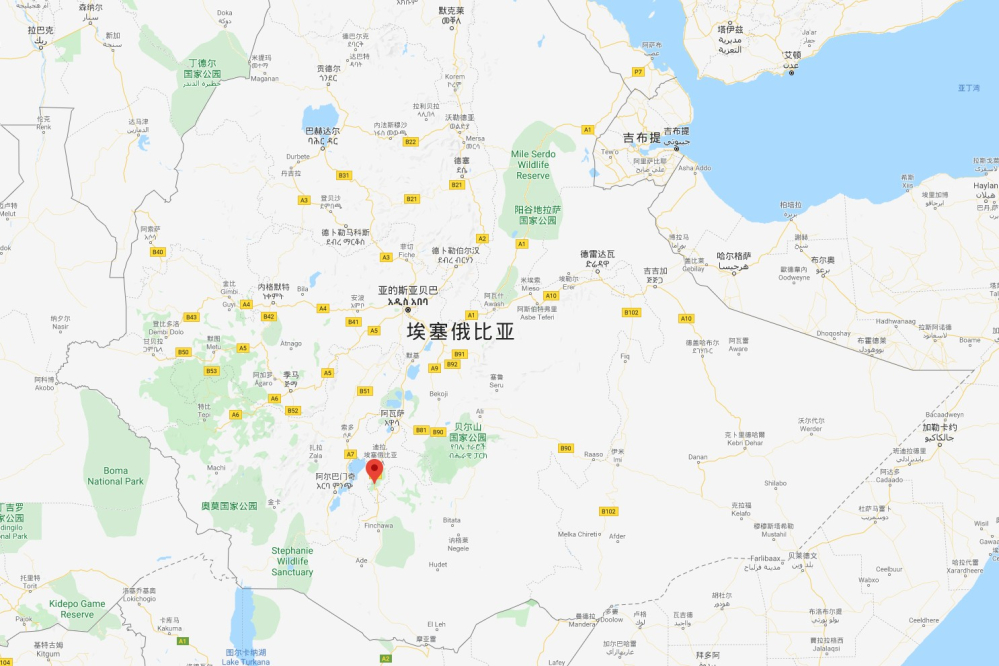 West Arsi (Yirgacheffe-Alishi) is a western sub-region of Sidamo, located between Yirgacheffe and Hararghe, named after the local Oromo ethnic group. Coffee in this area is mostly grown by smallholders, with an average household plot size of about 2–3 hectares. Although processing techniques are still developing, quality control awareness is strong, and processing stations often reward higher-quality red cherries, further improving overall coffee standards.
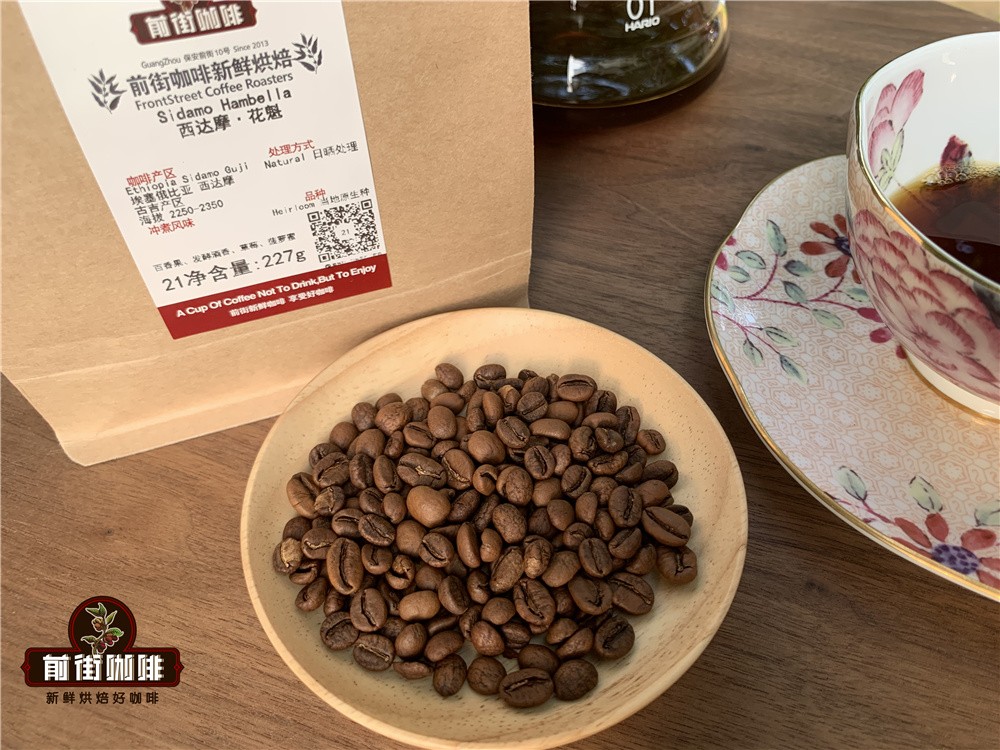
The variety used in Huaguai coffee is the Ethiopian native Heirloom, which is not a single type but a blend of multiple varieties from different smallholders and regions. Differences in growing environments and post-management lead to variations in bean size, shape, and flavor in each batch, making it a kind of "blended batch."
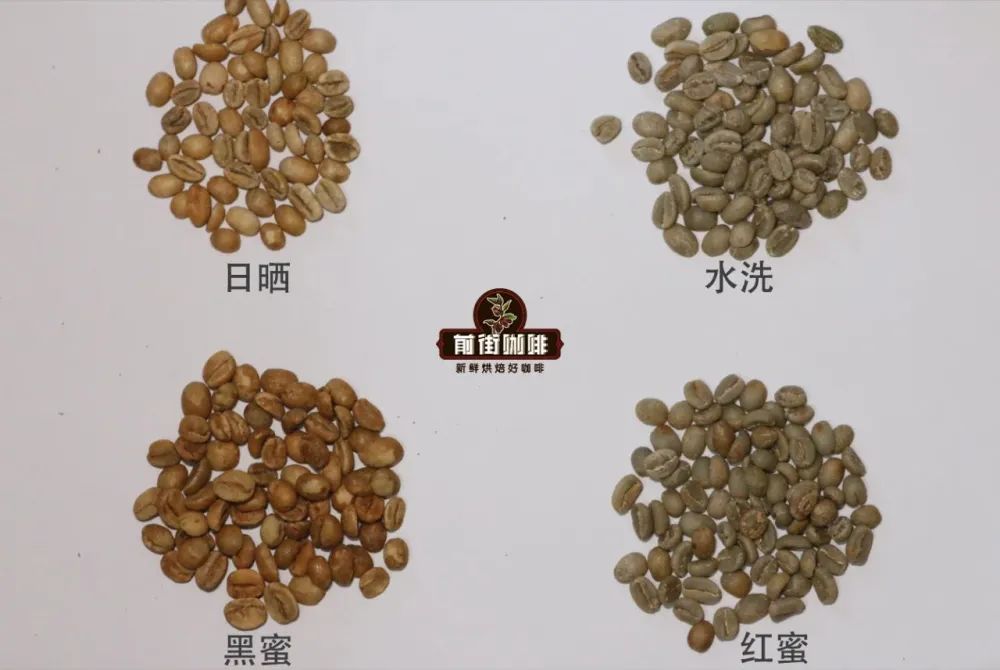
Sidamo coffee beans are processed using either washed or natural methods. The washed method involves removing the pulp, fermenting, washing, and drying, emphasizing clear acidity and floral-herbal notes. The natural method dries the fruit directly until it reaches 12% moisture content, preserving more flesh sugars and fermentation aromas. The two methods produce distinctly different flavor profiles: washed highlights citrus and flowers, while natural adds sweetness and intense fruitiness.
Practical Pour Over Recommendations (for light-roast Sidamo): Use a V60 filter, water temperature 90°C, coffee-to-water ratio 1:15, 15g coffee, grind size at 80% passing through a Chinese No. 20 sieve. Start with a 30-second bloom using double the coffee weight (30g), then pour in stages up to 125g, followed by a final pour to 225g before stopping. Total extraction time is about 2 minutes. These parameters help highlight Sidamo’s bright acidity and layered flavors.
[Natural Alishi Coffee Flavor]:Presents berry and honey aromas, with noticeable sweetness upon entry, resembling jam-like texture, and a finish with stone fruit flavors like nectarine and plum. Performs even better when cooled.
[2025 New Crop Huaguai Coffee Flavor]:Flavor profile centers on floral and fruity notes, including citrus, passionfruit, strawberry, and oolong tea undertones. Sweetness stands out, with a rich interplay between acidity and sweetness, and pronounced fermentation characteristics.
Overall comparison: The fruitiness and juiciness of natural Alishi are especially enticing when hot, becoming even more comfortable as it cools; Huaguai showcases tropical fruit tones with a vibrant sweet-acid interplay and distinct fermentation features. Both beans have their own merits and are worth savoring in detail.
The above content is compiled by CoffeeHunters, a coffee news website.


