







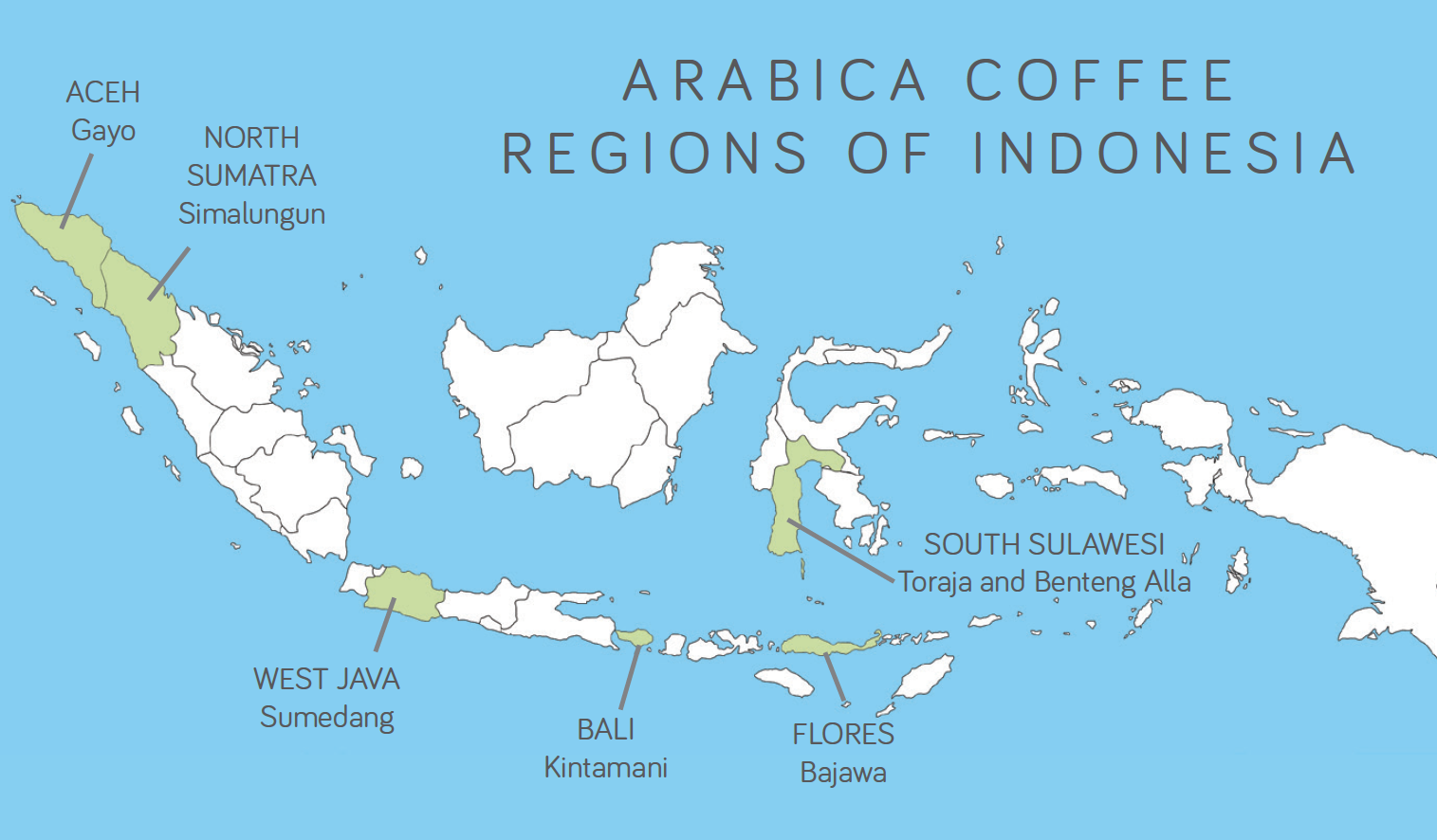
Introduction:As an important coffee-producing country in Asia, Indonesia is renowned for its unique geography and processing techniques. This article delves into three major producing regions—Java, Sulawesi, and Sumatra—to analyze their altitude distribution, variety characteristics, and traditional processing methods. It particularly focuses on the wet-hulling process and flavor profile of Mandheling from Sumatra, as well as the stringent selection criteria of PWN Golden Mandheling. Discover the brewing potential and purchasing advice for these classic bean varieties.
Among the many coffee-producing countries in Asia, Indonesia stands out with its advantageous island environment and long cultivation history, giving rise to many distinctive specialty coffees. Among them, the three major islands of Java, Sulawesi, and Sumatra are not only key production areas but also showcase distinctly different terroirs and processing features. From traditional washed processing to the unique wet-hulling method, the coffees from these regions not only offer unique aromas and flavors, but also bring rich diversity to the global coffee market.
Java: Historic Specialty Washed Beans
Java holds a pivotal position in Indonesia’s coffee map. Though it is only the fifth-largest island in the country, it has played a crucial role in the history of coffee development. The commonly referred to "Java coffee" mostly consists of high-quality Arabica beans produced on the island, primarily from large plantations or government-operated estates, many of which employ modern washed processing methods. The common variety grown is S795, also known as Jember, a selectively bred superior cultivar.
Java’s coffee-growing regions are mainly distributed across the western, central, and eastern parts of the island, with terrains consisting mostly of volcanoes, hills, and mountains at altitudes of around 1,400 meters—ideal for Arabica growth. The history of coffee cultivation dates back to 1696, when beans were introduced from India to western Java, and by 1711, the Dutch East India Company first exported them to the European market. Contemporary Java coffee is known for its delicate floral notes, mild acidity, and smooth mouthfeel, with notable estates including Blawan, Djampit, Kayumas, and Pancoer.
Sulawesi: Complex Flavors from the Toraja Highlands
Sulawesi, formerly known as Celebes, is one of the geologically oldest islands in Indonesia, with surface rocks over a million years old. Its soil is rich in iron and clay layers, creating a unique nutrient environment. The Toraja plateau in the southern part of the island is the most representative coffee-producing area of Sulawesi, featuring high altitudes and a cool climate that allow coffee to ripen slowly and accumulate flavor compounds.
Karaasi, a regional hub near Toraja, sees some coffee farmers using washed processing, resulting in layered and complex flavors worth exploring. However, semi-washed processing is more common in Sulawesi, and a certain proportion of Robusta beans are also produced. Local coffees generally exhibit a full body, bright acidity, and distinct flavor profiles, making them popular among consumers who favor medium to dark roasts.
Sumatra: Wet-Hulling Craftsmanship Creates Classic Mandheling
When it comes to Sumatra, the most well-known is undoubtedly "Mandheling" coffee, which actually refers to Arabica beans from the island, particularly those from the high-altitude regions of Aceh and North Sumatra, such as the Lintong and Gayo producing areas. These origins are mostly located around volcanic lakes, such as Lake Toba and Lake Tawar, where soils are fertile due to volcanic activity. Coupled with a year-round humid, rainy tropical rainforest climate, these conditions provide optimal growth environments for coffee trees.
Sumatran coffee is renowned for its bold body, low acidity, and flavors of spices, nuts, and chocolate. The most representative of these is Mandheling processed using the "wet-hulling" method. This technique was born out of the island’s humid, rainy conditions and lack of proper drying facilities: the outer parchment layer of the green beans is mechanically removed before it is fully dry, allowing the beans to dry quickly while "exposed," resulting in unique woody, herbal, and earthy undertones.
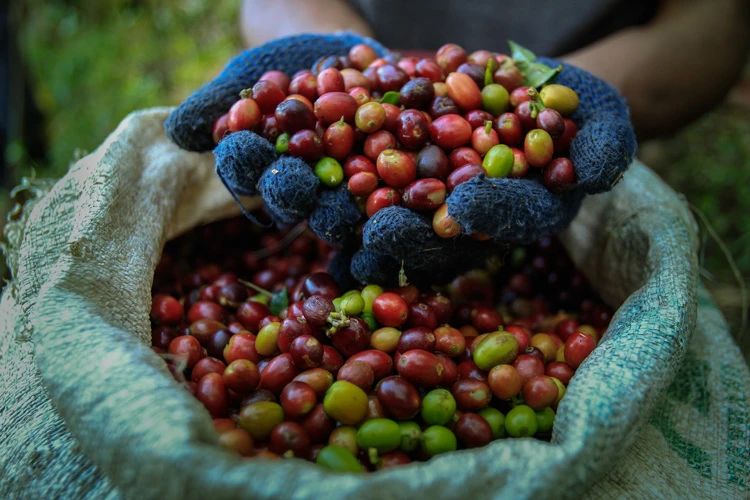
The traditional wet-hulling process generally involves: removing the outer fruit skin from freshly harvested cherries, followed by a short fermentation in water tanks to remove some of the mucilage, then washing away residues and preliminary sun-drying to about 30%-40% moisture content. Next, buyers use specialized machinery to hull the beans, followed by continued drying to 12%-13%. While this method significantly shortens processing time, the rapid handling also increases the risk of defects, necessitating stricter sorting procedures.
PWN Golden Mandheling: The Pinnacle of High-Standard Selection
When discussing Mandheling, one cannot overlook the Golden Mandheling produced by PWN (Pwani Coffee Company). The name originates from a WWII-era misunderstanding: a Japanese soldier fell in love with a cup of richly flavored coffee from the "Mandailing" region and later ordered large quantities after the war, thus making "Mandheling" synonymous with the beans. Today, as Indonesia’s top supplier of premium Mandheling, PWN selects only the highest-quality beans from the best producing areas and applies extremely rigorous selection standards.
PWN Golden Mandheling must pass machine sorting and three rounds of hand sorting to ensure an extremely low defect rate, meeting the following criteria: green bean size of 18–19 mesh or larger, no more than 3 defective beans in a 300g sample, grade G1, and appearance characterized by deep green color, uniform size, and intact shape. This grade far exceeds Indonesia’s conventional G1 standards, ensuring each bean possesses exceptional flavor potential.
Flavor Cupping and Actual Performance
Before launching any coffee bean product, a certain coffee brand conducts professional cuppings to uniformly evaluate attributes such as aroma, acidity, sweetness, and aftertaste. According to cupping results, Lintong Mandheling exhibits a rich nutty profile with a subtle melon aroma in the aftertaste, and herbal notes gradually emerge as it cools, offering a full and rounded mouthfeel. Meanwhile, PWN Golden Mandheling showcases aromas of dark chocolate, nuts, and caramel, accompanied by herbal spice and pine wood notes, with a pronounced sweetness and long-lasting finish. It boasts excellent cleanliness and balance, making it an ideal choice for those seeking the classic Sumatran flavor profile.
The above content is compiled by CoffeeHunters, a coffee news website.


