








Introduction:The French press may seem simple, but brewing a cup of coffee with distinct layers and a rich mouthfeel requires attention to every detail—from grind size and water temperature to steeping time. This article delves into the extraction principles of the French press, explains why medium to dark roast beans are more suitable, and provides practical suggestions on coffee-to-water ratio, water temperature, and step-by-step instructions to help you easily brew a clean, flavorful black coffee with clear profiles at home.
The French press, also known as a cafetière or coffee plunger, is one of the most common manual brewing devices. It has a simple design and intuitive operation, yet it involves many key details that influence the flavor of your coffee. Many assume you just need to add coffee grounds, pour in water, wait, and press—but in reality, factors such as bean selection, grind size, water temperature control, steeping duration, and even the way you press the plunger can significantly affect the final extraction.
The French press uses a metal filter, which allows some fine particles and oils to pass through, resulting in a fuller-bodied, richer coffee with a pronounced mouthfeel. For this reason, it pairs particularly well with medium to dark roast beans, bringing out flavors that are bold, sweet, and showcase notes of chocolate or nuts.

For beginners just starting with the French press, it’s recommended to begin with a few classic medium to dark roast beans—such as Indonesian beans with distinct spice and earthy tones, Latin American beans offering creamy fried peanut flavors, or blended beans that exude caramel and berry aromas. These beans often yield balanced and layered taste profiles when brewed in a French press.
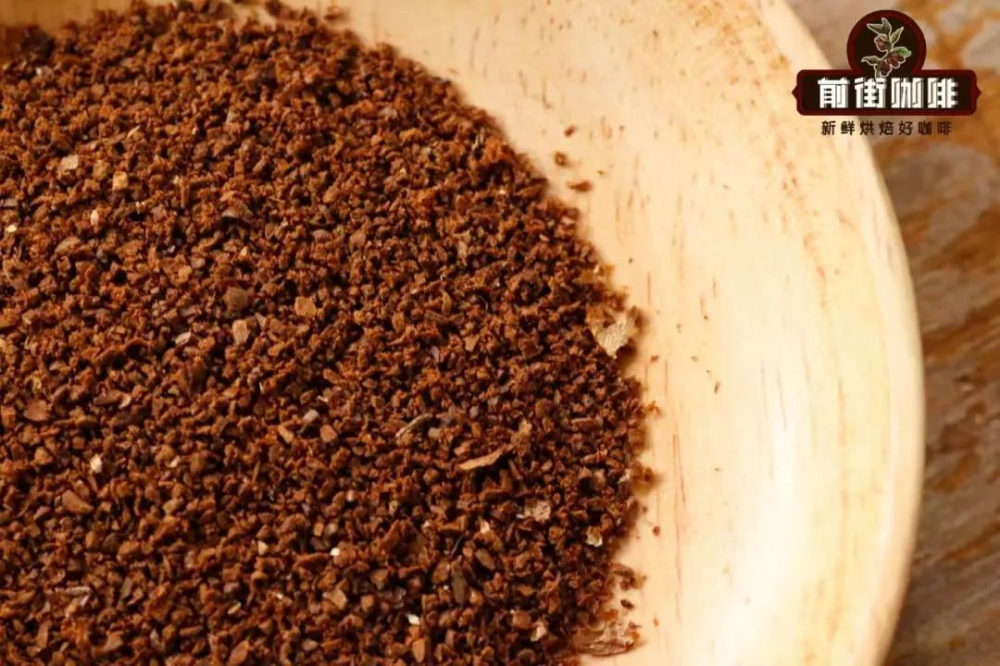
In terms of grind size, the coffee for a French press should be roughly the coarseness of brown sugar or coarse sea salt, falling on the coarser end of the grind spectrum. This is because the French press extracts coffee via immersion, and if the grind is too fine, it can lead to over-extraction, resulting in bitterness and a gritty texture. Additionally, the larger holes in the metal filter allow fine particles to pass through, affecting the purity and smoothness of the cup.
Essential tools include: a French press, a pour over kettle, a grinder, an electronic scale, a thermometer, a timer, freshly roasted coffee beans, and a coffee cup. It’s recommended to use freshly roasted beans to ensure optimal flavor performance.
Here are the standard steps for brewing with a French press:
1. Use an electronic scale to weigh about 20 grams of freshly roasted coffee beans. Adjust the amount according to the number of drinkers. A general recommendation is a 1:15 coffee-to-water ratio, meaning 20 grams of coffee to 300 milliliters of water.
2. The water temperature range is recommended to be between 85°C and 95°C, adjusted based on the roast level of the beans. Lighter roasts can use slightly higher temperatures to enhance aroma, while darker roasts are better brewed with lower temperatures to avoid excessive bitterness. You can fine-tune the actual temperature to suit personal taste.
3. Pour the coarsely ground coffee into the French press in preparation for the next step: pouring water.
4. Use the pour over kettle to evenly pour hot water in a circular motion, ensuring all the coffee grounds are fully saturated.

5. It is recommended to pour about 300 grams (milliliters) of hot water, maintaining a ratio of approximately 1:15. You can adjust this between 1:14 and 1:18 based on personal preference. If your French press doesn’t have volume markings, you can measure the water by weight using an electronic scale: place the coffee grounds in the press, tare the scale, then weigh the water. Although there is a slight difference in volume between hot and cold water, the margin of error is acceptable for home use.
6. After pouring, gently stir the mixture of coffee grounds and water to ensure even contact, which helps stabilize extraction.
7. Place the lid on the French press but do not press down the plunger yet. Let the coffee grounds steep for about 4 minutes. This duration can be adjusted based on your preference for strength—too short may result in under-extraction and a weak flavor, while too long can lead to over-extraction and bitterness.
8. Once the steeping time is up, slowly press the plunger down to the bottom of the press. Make sure the movement is smooth and gentle to avoid pushing too hard, which could force fine particles through the filter and cloud the coffee. It’s advisable to stop applying pressure once the filter is near the bottom, rather than pressing all the way down.
9. After pressing, slowly tilt the French press to pour the coffee into your cup. Avoid shaking vigorously to prevent the settled coffee grounds at the bottom from becoming suspended again, which could affect the smoothness of the cup.
10. Finally, enjoy this cup of French press coffee, rich in flavor and personally brewed by you!
In summary, the French press is a very user-friendly and beginner-friendly coffee brewing tool. By mastering key parameters such as grind size, water temperature, coffee-to-water ratio, and steeping time, you can consistently brew a coffee that is rich, clean, and full of distinct flavor. Whether for daily enjoyment or sharing with friends, the French press is a practical addition to any home coffee setup.
The above content is compiled by CoffeeHunters, a coffee news website.


