







Introduction:Typica is one of the most iconic and ancient varieties of Arabica coffee, not only giving rise to premium coffees such as Jamaican Blue Mountain and Hawaiian Kona, but also beloved for its clean and elegant flavor profile. However, this variety has very high environmental requirements, is difficult to cultivate, and is produced in limited quantities. This article delves into the historical origins, botanical characteristics, and growing conditions of Typica, analyzes how Blue Mountain Typica forms its unique flavor, and provides practical pour over brewing tips and parameter settings to help you better understand the mysteries of this classic coffee.
Typica (Typica) is one of the oldest varieties within the Arabica coffee lineage and is widely regarded as a model of high-quality coffee. Its origins can be traced back to the 15th to 16th centuries, initially spreading from southwestern Ethiopia to Yemen, and then disseminating globally along religious and trade routes. Famous coffees such as Jamaican Blue Mountain and Hawaiian Kona all stem from this genetic line. However, this coffee variety not only grows tall but is also extremely particular about climate and cultivation conditions. With weak disease resistance and scarce yield, it is considered one of the most challenging varieties to cultivate.
Plant and Bean Characteristics of Typica
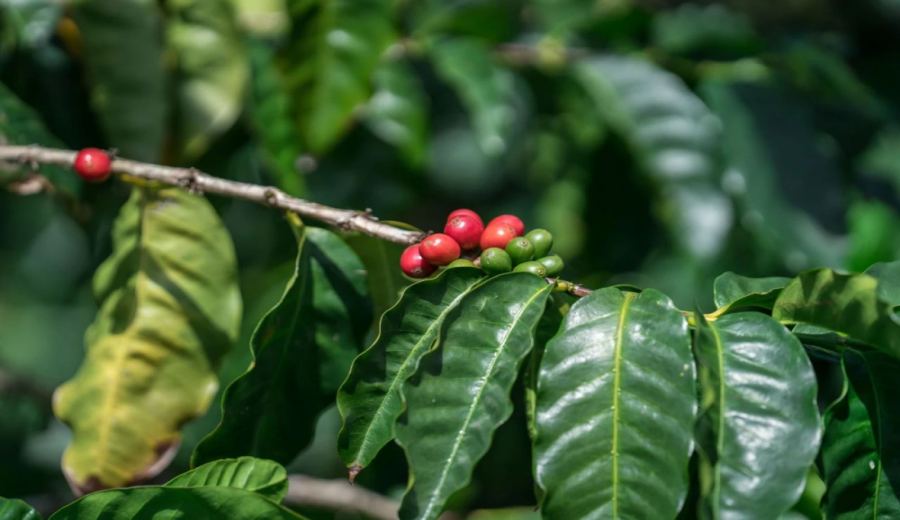
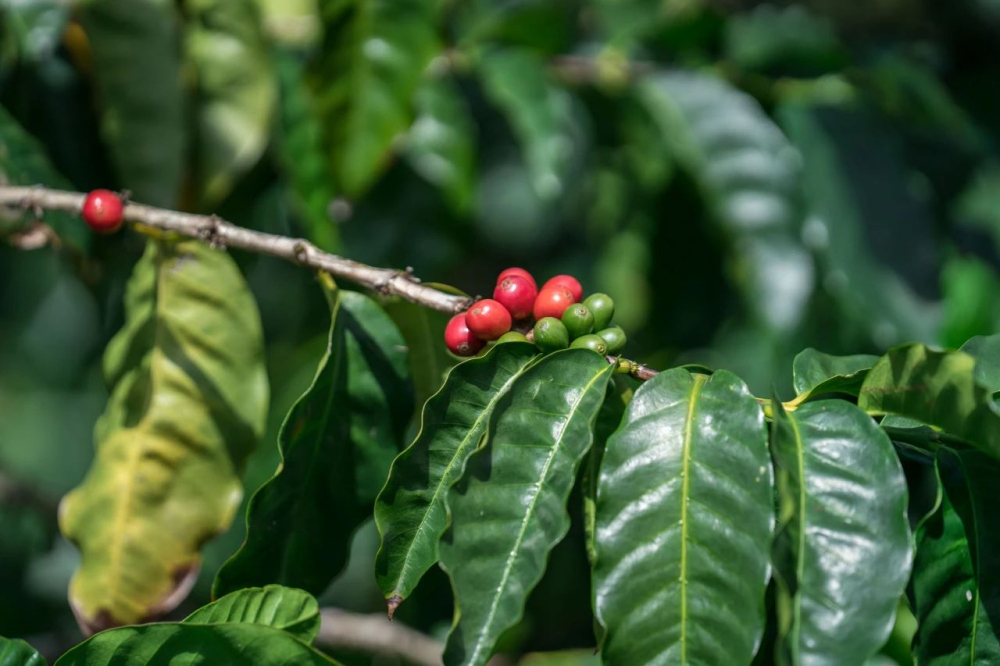
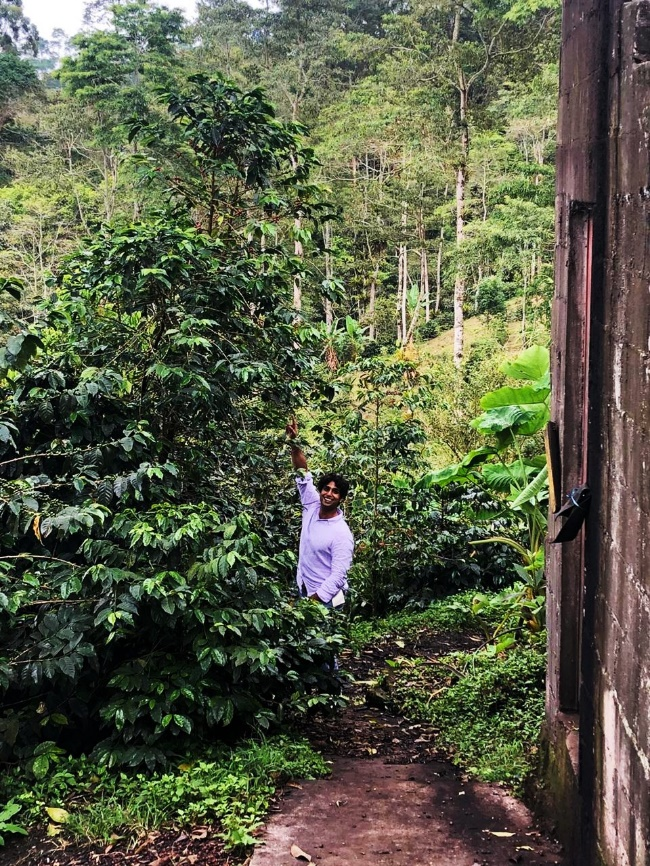
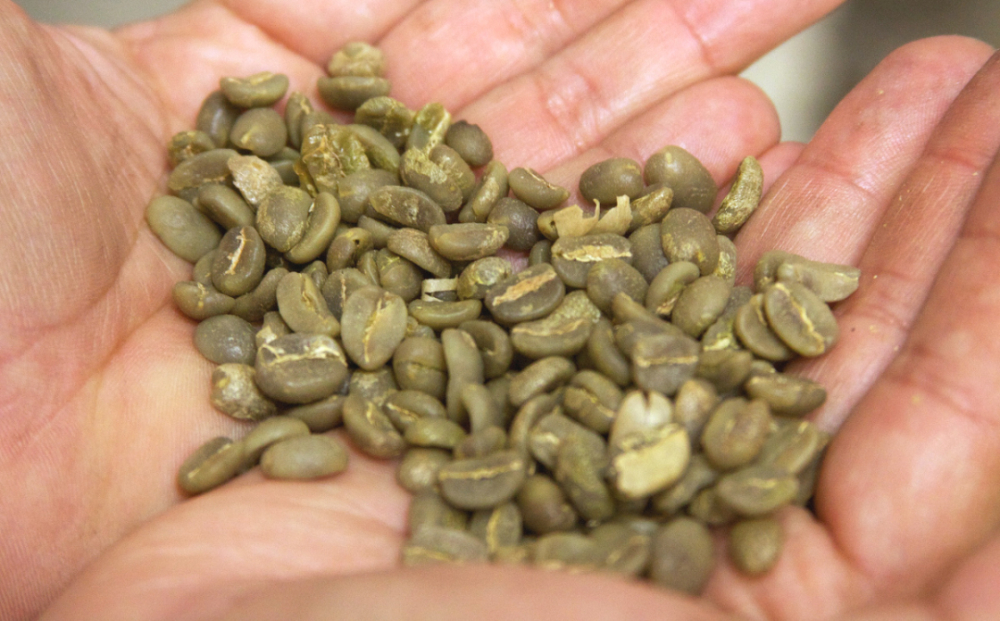
Typica coffee trees can typically grow up to around 5 meters tall, classified as tall tree-type plants, with a conical canopy and branches that tilt slightly outward, forming an angle of approximately 50 to 70 degrees with the main trunk. As a result, larger spacing between plants is required during cultivation to facilitate ventilation and harvesting. Its leaves often exhibit a bronze sheen when mature, which is one of Typica’s most distinctive features. The coffee beans it produces are long and oval-shaped, with pointed ends that curl slightly upward, uniform in size and plump in appearance, resembling the shape of an egg—this is also one of the visual reasons why it is often described as "elegant and balanced."
In terms of flavor, Typica typically exhibits bright citrus acidity, a clean mid-palate, and a naturally sweet aftertaste, earning it praise from many coffee enthusiasts as the "embodiment of freshness and elegance." However, due to its tall tree structure and long branches, harvesting is difficult. Coupled with market demands for higher yields, many regions have gradually replaced it with high-yield or disease-resistant varieties, making Typica even more rare.
The Origins and Global Spread of Typica
Typica originally comes from Ethiopia in Africa and was later introduced to Yemen via trade routes across the Arabian Peninsula. In the 17th century, European colonists and missionaries brought it to various parts of the world. Historical records indicate that the first batch of coffee planted in China's Yunnan region were Typica seeds brought by French missionaries, although other varieties such as Catimor were later adopted in pursuit of higher yields. This variety is highly demanding of its environment, with ideal growing conditions including high altitudes (typically above 1200 meters), frost-free climates, evenly distributed and adequate rainfall, well-drained acidic and loose soils, as well as fertile volcanic soil—all of which limit its cultivation range.
In 1720, French naval officer Déclieux brought Typica seedlings to Martinique in the Caribbean. Five years later, the Governor of Jamaica imported 7,000 seedlings from Martinique and planted them in the Blue Mountain region. After more than two centuries of local adaptation, Blue Mountain Typica has gradually acclimatized to the environment, demonstrating improved disease resistance, particularly a certain tolerance to Coffee Berry Disease, a common issue in the area.
The Unique Terroir and Flavor of Blue Mountain Typica
The uniqueness of Jamaican Blue Mountain coffee is inseparable from its exceptional geographical and microclimatic conditions. The Blue Mountains are surrounded by the Caribbean Sea, and the mountainous region features a typical island-type tropical rainforest climate, with cool mornings and evenings, warm afternoons, and significant day-night temperature variations. These conditions help coffee cherries ripen slowly, allowing them to accumulate richer flavor compounds. The local volcanic soil is fertile and rich in minerals. Coupled with high altitude and abundant sunlight, even minimal fertilization and irrigation can yield coffee of outstanding quality.
According to the regulations of the Jamaica Coffee Industry Board (CIB), only Typica coffee grown at elevations between 910 and 1700 meters in the Blue Mountain region qualifies to be called "Blue Mountain Coffee." This area spans approximately 6,000 hectares, with extremely limited production. Each year, only about 900 tons of coffee beans meet the Blue Mountain standard, accounting for less than 15% of Jamaica’s total coffee output. After harvesting, the fresh coffee cherries undergo immediate washed processing to preserve the purest flavors.
Under these conditions, the Typica grown here often boasts rich notes of chocolate, nuts, and subtle floral aromas, with a full-bodied yet refreshing mouthfeel, soft acidity, and a long-lasting finish, making it a standout among specialty coffees.
Practical Tips and Parameter Recommendations for Pour Over Brewing Blue Mountain Typica
For coffee enthusiasts, trying to brew a cup of Blue Mountain Typica at home is an excellent way to connect with high-quality coffee. It is recommended to choose a medium-dark roasted Blue Mountain Typica bean, which can balance acidity and sweetness, enhance aroma, and bring out layers of chocolate and nut flavors. For equipment, the KONO dripper is a popular choice among many specialty shops. Its smooth inner wall allows the filter paper to adhere tightly, helping to improve extraction concentration and body. Additionally, a trapezoidal dripper such as Kalita, or using a cloth filter like a flannel, can extend extraction time, resulting in a rounder mouthfeel.
Here are commonly used pour over reference parameters from a coffee shop:
- Water temperature: 88°C
- Grind size: Fine like coarse sugar (approximately 75% passing through a #20 sieve)
- Coffee dosage: 15 grams
- Coffee-to-water ratio: 1:15
- Brewing method: Three-pour technique
Specific steps are as follows: Begin with a 30-second bloom by pouring 30 grams of water; then proceed to the second pour, steadily adding water up to 125 grams; once the water level drops halfway, pour the final amount to reach a total of 225 grams. The entire extraction process should be controlled to around 2 minutes. These parameters fully highlight the layered and full-bodied qualities of Blue Mountain Typica.
Flavor Profile of Blue Mountain Typica When Brewed via Pour Over
Freshly brewed Blue Mountain Typica offers nutty, melon, and chocolate aromas in the dry scent. Once hot water is poured, complex notes of caramel, honey, and oolong tea emerge. When sipped, the high-temperature stage reveals intense dark chocolate and roasted hazelnut flavors, paired with a creamy smooth mouthfeel and subtle sweet creaminess. As the temperature cools slightly, the acidity becomes softer, interweaving caramel and nut aromas, with a long-lasting finish. The overall flavor is clean, balanced, and distinctly layered.
Note: For the best flavor experience, it is recommended to use coffee beans roasted within 5 days. At this stage, Blue Mountain Typica is at the peak of its flavor, perfectly showcasing its unique aromatic and taste characteristics.
The above content is compiled by CoffeeHunters, a coffee news website.


