







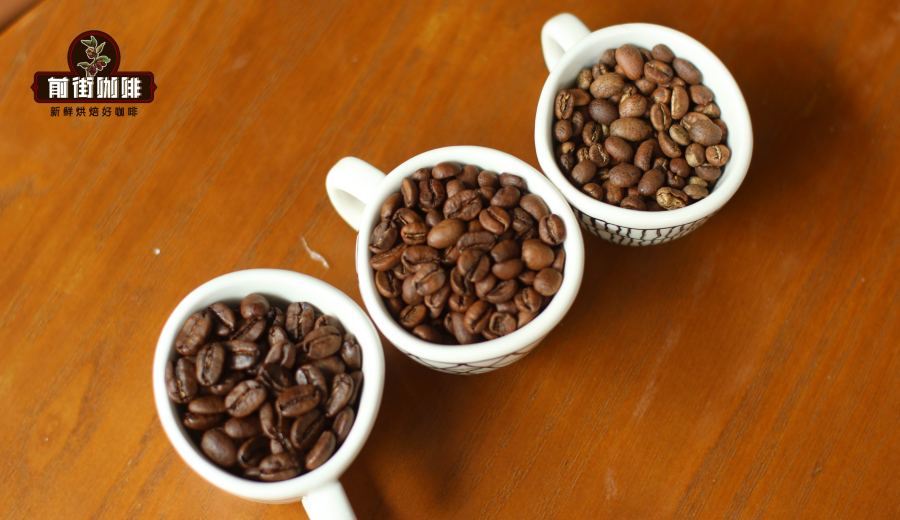
Introduction:The roast level of coffee beans is a key factor that influences flavor expression, ranging from bright fruit acidity to deep caramel notes, each with its own unique character. This article provides a detailed analysis of the color, aroma, and taste differences among light, medium, dark, and city roasts. For readers who prefer medium-roasted flavors, we also recommend three classic single-origin medium-roast beans from renowned roasters—originating from Brazil, Costa Rica, and Yunnan—offering a well-rounded flavor profile. Whether you prefer pour over, cold brew, or espresso extraction, you’re sure to find a suitable choice.
The degree of coffee roasting is not just about changes in bean color but also a turning point in flavor direction. From the bright fruit acidity and floral notes brought out by light roasting to the rich caramel and nutty tones of dark roasting, each roast level tells a different coffee story. Among the various roast types, medium roast stands out by balancing acidity, sweetness, bitterness, and body, making it the top choice for many coffee enthusiasts and the most suitable for exploring the original characteristics of different origins.
Generally speaking, coffee roasting can be divided into four main categories: Light Roast, Medium Roast, City Roast, and Dark Roast. Light-roasted coffee beans appear light brown in color, with a firm texture, pronounced acidity, and rich floral and fruity aromas, but they tend to have a lighter body and less sweetness, making them ideal for those seeking a fresh-tasting cup.
As the roast progresses to the medium level, the beans turn to a medium brown color, with no surface oils yet visible. At this stage, the coffee offers a balanced combination of acidity and sweetness along with a moderate body, making it the most widely accepted range by most consumers and suitable for various brewing methods.
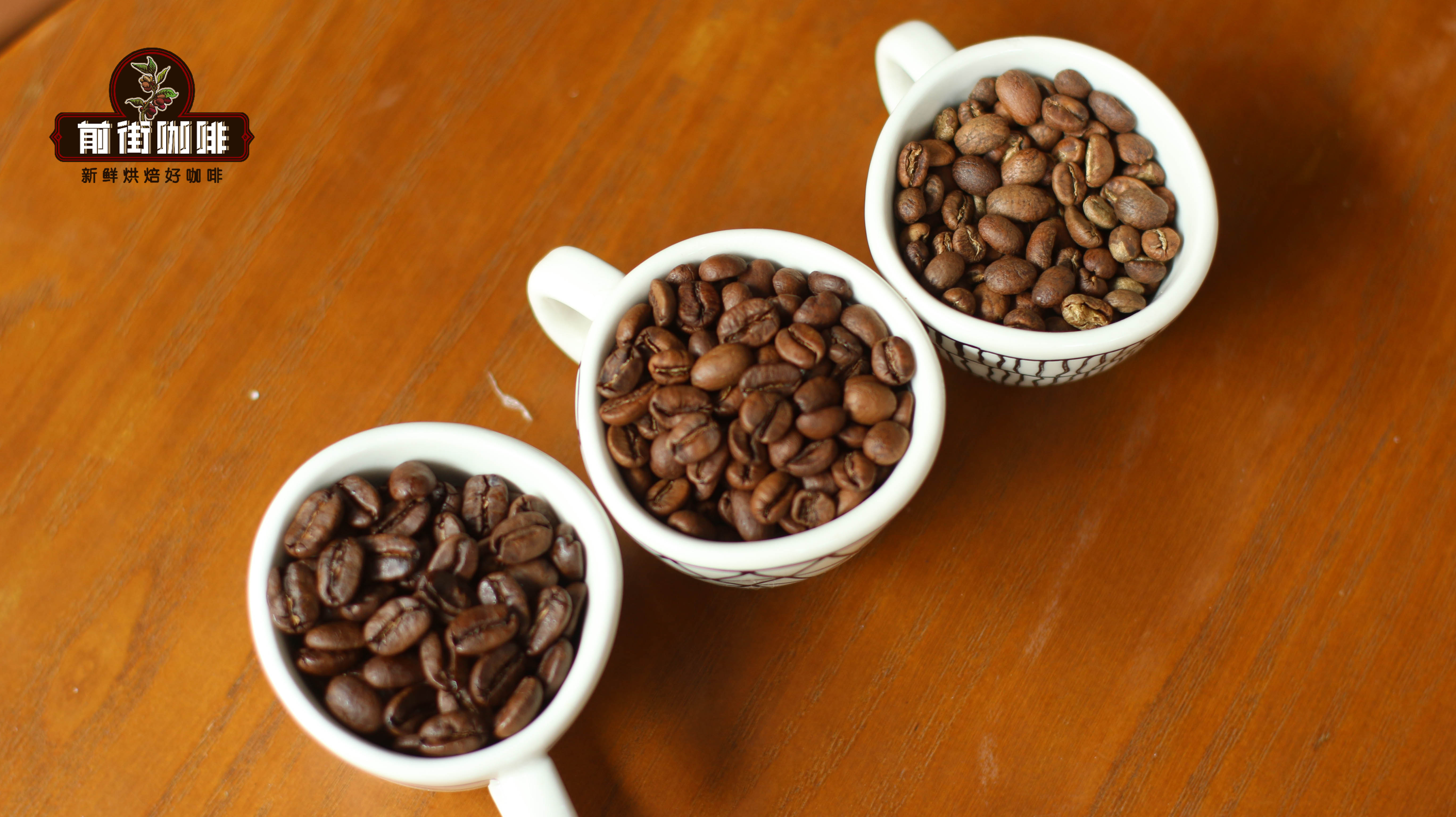
City-roasted beans are darker in color, approaching dark brown. The acidity is noticeably reduced, giving way to sweeter and caramelized aromas, making it ideal for those who prefer a smoother, milder taste. Dark roast, on the other hand, results in beans that are dark brown or even nearly black, with a noticeable oily sheen on the surface. The acidity is almost gone, highlighting intense chocolate, smoky, and nutty tones. This roast level is commonly used for espresso or heavily roasted styles of coffee.
For those who are just starting to explore specialty coffee, it is recommended to begin with medium-roasted single-origin beans. Not only do they offer clear layers of flavor, but they are also suitable for various brewing methods such as pour over, cold brew, or espresso. Below, we will recommend three representative medium-roast beans, each showcasing the unique characteristics of different origins and processing methods.
First up is the medium-roast bean from Fazenda Rainha in Brazil. After medium roasting, it releases a creamy texture with distinct peanut and chocolate notes, accompanied by the sweet aromas of toasted bread and sugarcane. This bean is not only suitable for pour over but also works well with a moka pot or espresso machine, delivering a stable and rich flavor profile.
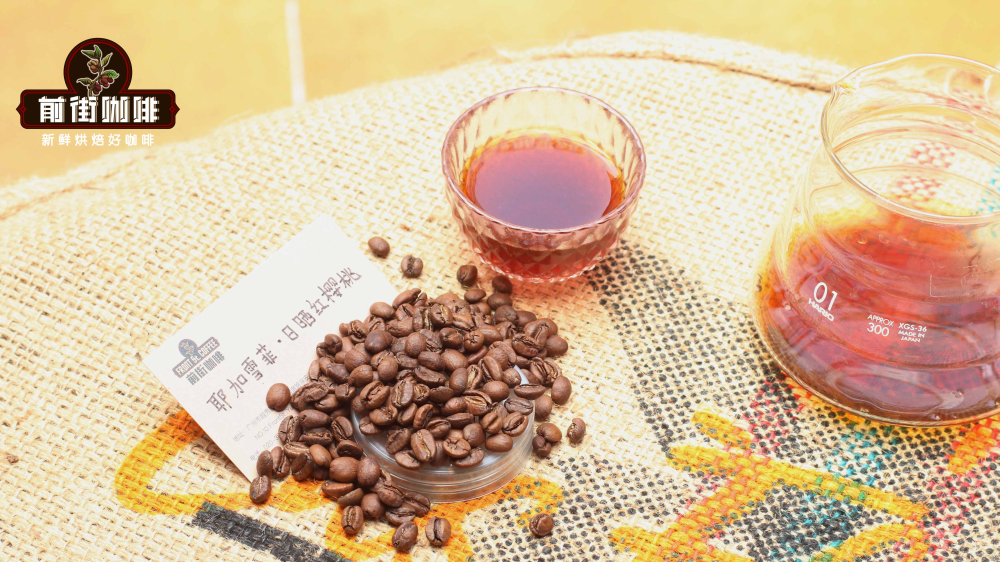
If you prefer medium-roasted beans with fruity sweetness, consider the Strawberry Syrup Blend. This creative blend combines Costa Rican honey-processed beans with Panamanian washed Geisha, using medium roasting to skillfully highlight citrusy honey tones and a rounded sweetness. Its acidity and sweetness are perfectly balanced, making it suitable for pour over, cold brew, and espresso—whether hot or iced, it delivers captivating flavors.
The third recommendation is the 2013 Yunnan Typica Medium Roast. This small-bean Typica variety from Yunnan, after medium roasting, presents a gentle combination of flavors including nuts, brown sugar, black tea, and dried apricots. With a smooth and mellow mouthfeel, it is suitable for pour over, cold brew, and American drip machines. Offering great value and preserving the classic characteristics of traditional Yunnan Typica, it’s perfect for everyday drinking or as an introductory option.
In summary, choosing the right roast level is the first step toward appreciating the diversity of coffee. Medium roast is not only suitable for multiple brewing methods but also highlights the unique characteristics of each origin. Whether you’re a beginner to pour over or looking for a reliable daily bean, the three medium-roast recommendations above are all worth trying.
The above content is compiled by CoffeeHunters, a coffee news website.


