







Introduction:Specialty coffee enthusiasts often compare Geisha and Blue Mountain. So which one is more worth trying? This article delves into the origins, variety characteristics, rigorous grading systems, and unique flavor profiles of these two top-tier coffee beans, while also providing professional pour over recommendations and extraction parameters to help you find your own coffee preference.
In the world of specialty coffee, Geisha and Blue Mountain are always discussed together. Blue Mountain coffee is known for its rich, balanced flavor, while Geisha captivates many coffee lovers with its delicate floral and fruity aromas and layered complexity. This article will comprehensively analyze the essence of these two premium coffees—from origin and variety, to processing method, flavor, and brewing techniques—giving you clearer direction when choosing and tasting.
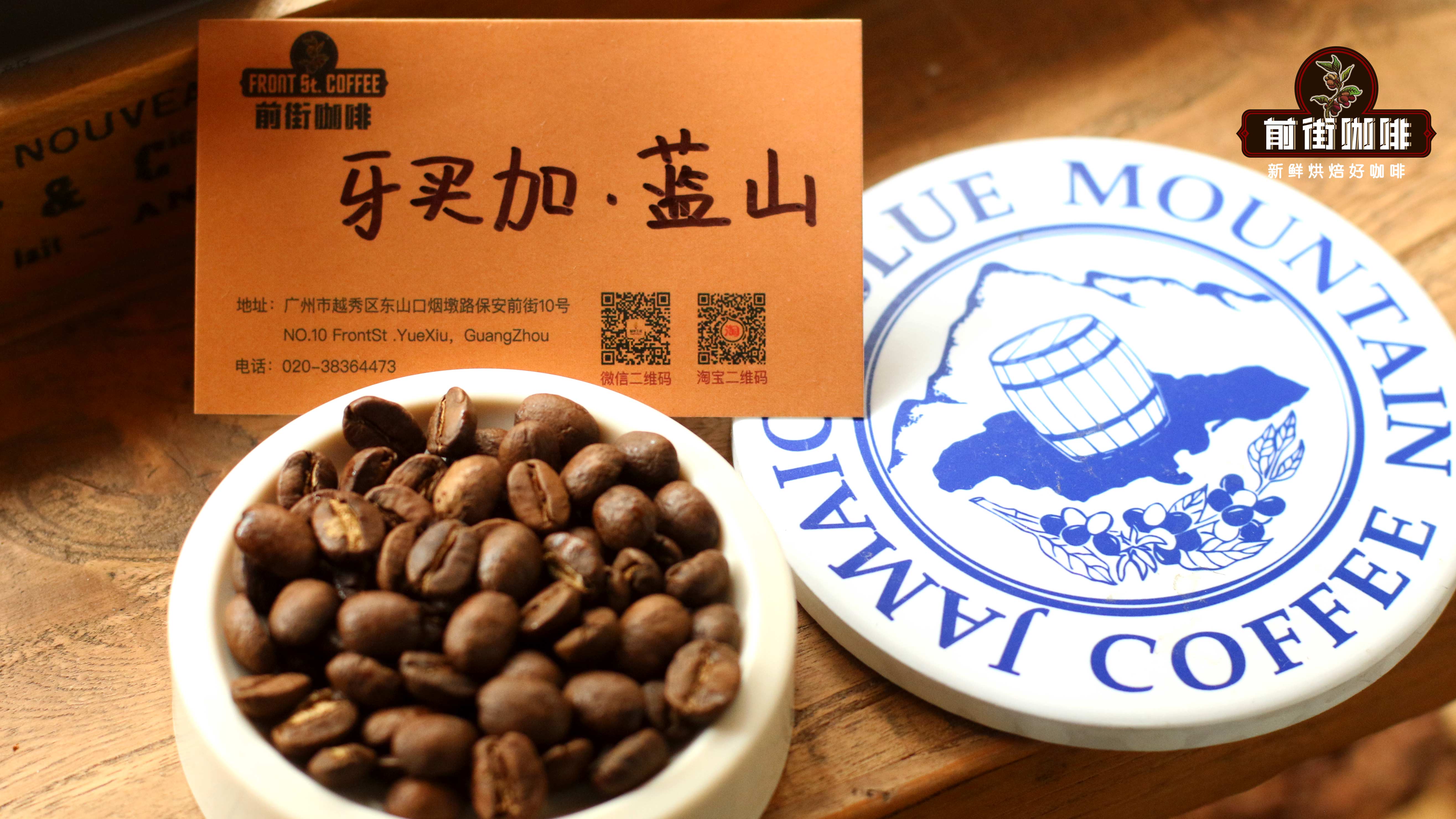
When many people think of the world’s top-tier coffee, Jamaican Blue Mountain is often the first that comes to mind. It is renowned for its smooth texture and deep chocolate and hazelnut aromas, with a balanced taste and long-lasting aftertaste. Such high praise stems from the strict management by Jamaican growers and the region’s unique geography. Blue Mountain coffee can only be grown at altitudes of about 910 to 1700 meters in the Blue Mountains, and must be of the Typica variety to be officially called “Jamaican Blue Mountain Coffee.”
Typica is an ancient Arabica variety. Though it has exceptional flavor potential, it also suffers from low disease resistance and yield. The combination of high-altitude terrain and rugged landscape makes harvesting difficult, further limiting Blue Mountain production. Statistics show that currently, less than 15% of Jamaica’s total coffee output—around 900 tons—can bear the official Blue Mountain label. Many assume that Blue Mountain coffee is almost monopolized by the Japanese market, which does have historical roots. In 1981, Japan’s UCC company invested in planting in Jamaica and signed an agreement with local authorities to secure 90% of the quota, making Blue Mountain once a luxury item out of reach for most. However, today Blue Mountain coffee has gradually become more accessible, and in some specialty cafés, you can enjoy a cup of Blue Mountain No. 1 pour over black coffee from the Clydesdale Estate for around 60 yuan.
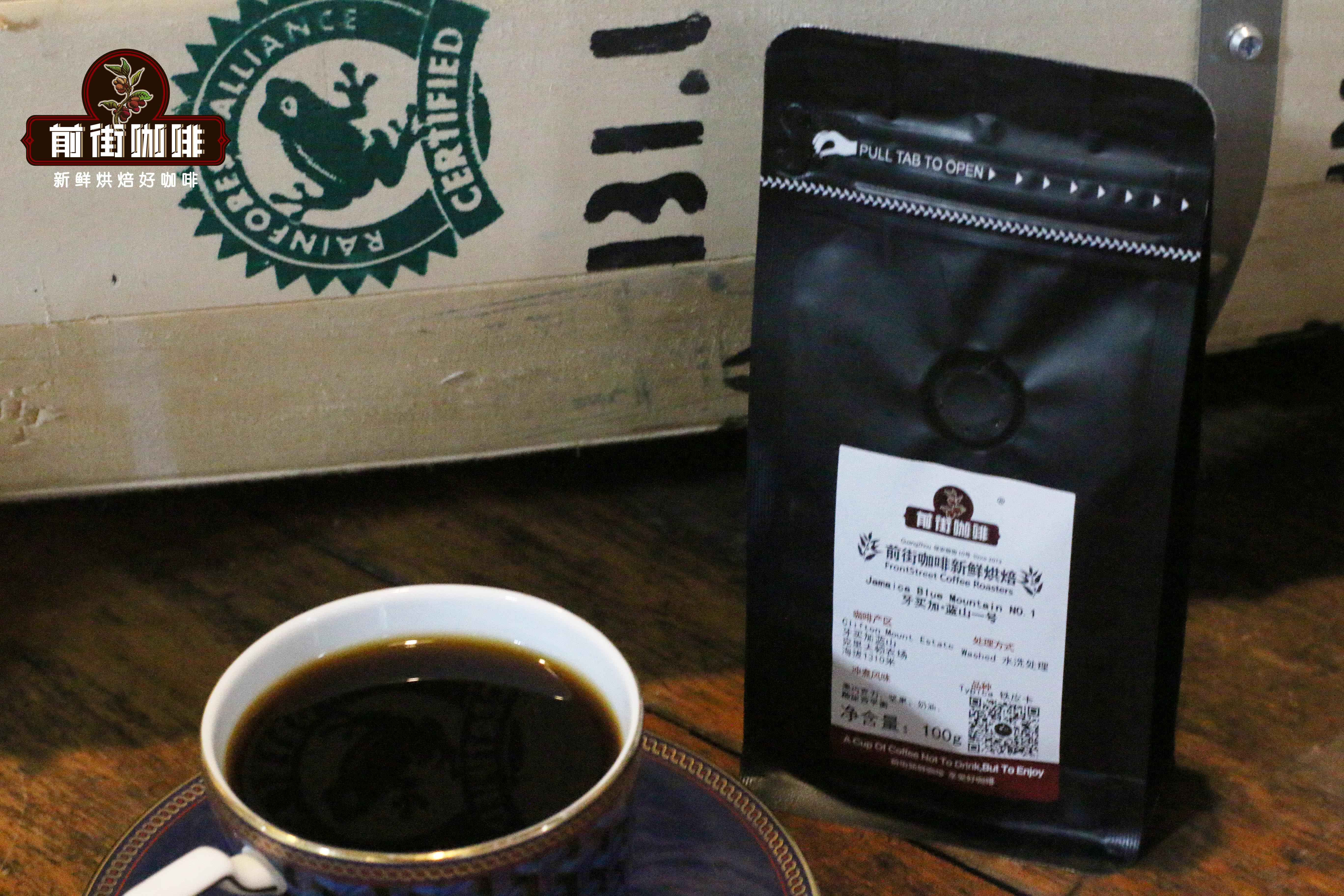
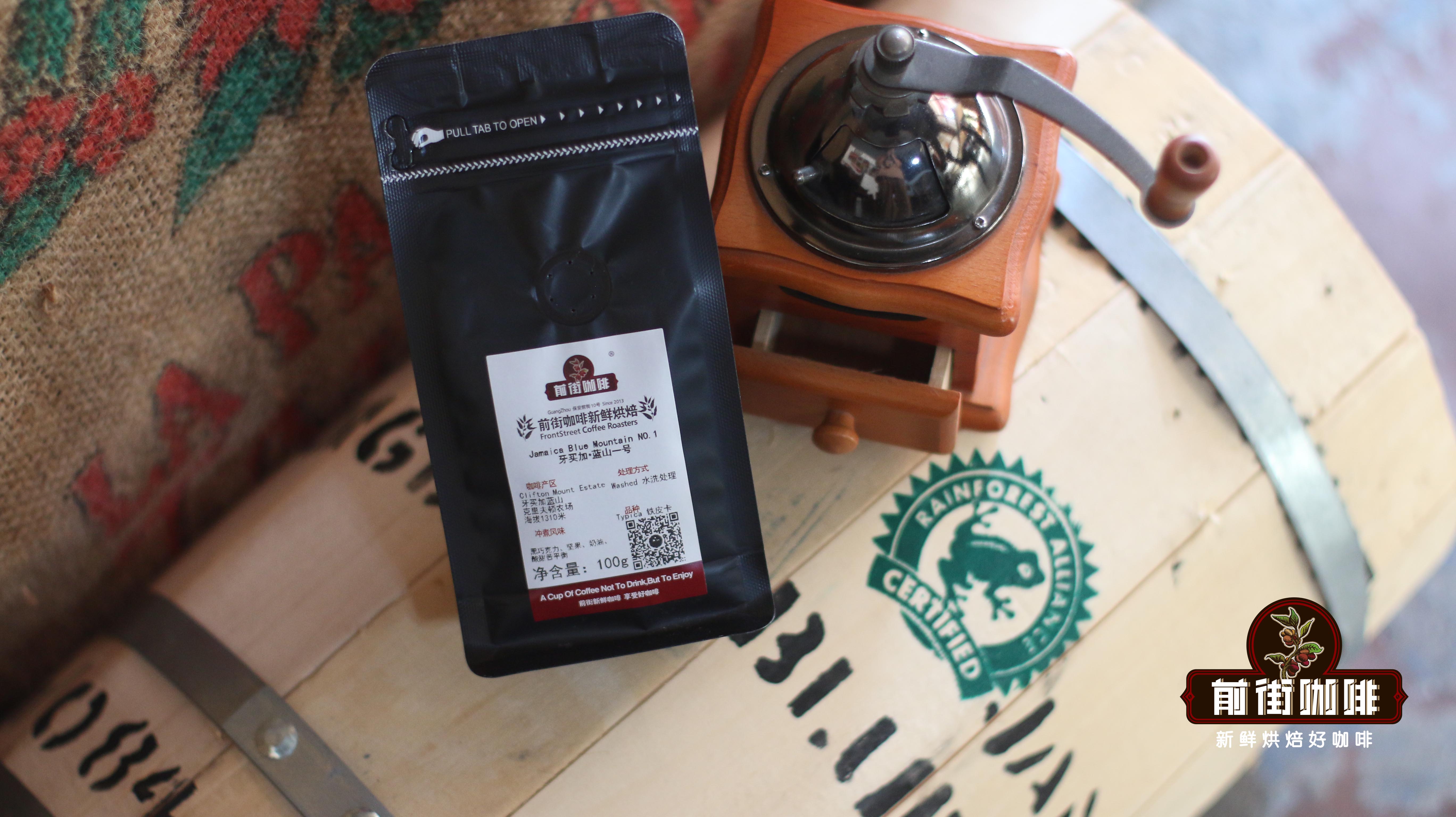
The so-called Blue Mountain No. 1 is the highest grade of Blue Mountain coffee. Its green beans must meet standards of 17 mesh or above, with a defect rate below 3%, and moisture content around 13%. Cupping performance should exhibit rich aroma, smooth mouthfeel, low acidity, and a long-lasting aftertaste. The Blue Mountain No. 1 offered here is from the Clydesdale Estate in Jamaica, processed using the washed method, and comes with multiple official Jamaican quality certifications, including certificates of origin and sales authorization, ensuring high quality. The Blue Mountain green beans displayed in-store are even stored in traditional oak barrels, highlighting their preciousness.
Next, let’s look at Geisha coffee, one of the most iconic varieties of the specialty coffee era. With its distinctive fresh floral and fruity notes and citrus tones, Geisha has become a dream bean for coffee aficionados worldwide. However, Geisha is not an easy variety to cultivate—it is not only rare in production but also extremely demanding in terms of environment. It prefers high altitudes, fertile, well-drained soil, and requires moderate shading and protection to avoid direct strong sunlight. Additionally, Geisha has thin leaves and shallow roots, leading to slow absorption of water and nutrients, resulting in yields only half that of ordinary Arabica varieties—another reason for its high price.
Although Geisha has been introduced to many countries, the Geisha from Boquete, Panama, is still considered the region that best showcases its potential. The foggy environment, diverse microclimates, and volcanic soil here endow Geisha with rich aromatic layers and acidity variations. The Boquete Geisha offered here is washed processed, emphasizing cleanliness and clear flavor lines, aiming to restore the most classic expression of Geisha. The washed method not only improves stability but also better highlights Geisha’s bright citrus notes and delicate floral aromas.
Washed Geisha, after roasting, often emits elegant white floral notes such as jasmine or orange blossom, accompanied by the bright acidity of citrus and lemon, as well as a hint of green tea freshness. This flavor combination is often described as akin to sipping a cup of Tieguanyin—smooth yet layered.
So, what are the brewing considerations for Geisha and Blue Mountain? Regardless of which coffee you choose, freshness is key to flavor expression. We insist on only shipping beans roasted within five days to ensure consumers can experience the optimal aroma and taste upon receipt.
The store’s recommended brewing setup for Geisha is as follows: use a V60 filter, water temperature controlled at 91–92°C, 15 grams of coffee, a 1:15 coffee-to-water ratio, and a grind size recommended at EK43s setting 10 (approximately 80% through a 20-mesh sieve). This setup fully highlights the citrus acidity and floral notes of Geisha, while maintaining overall balance.
As for Blue Mountain No. 1, the store’s standard pour over parameters are: use a KONO filter, water temperature 88°C, 15 grams of coffee, 1:15 coffee-to-water ratio, and a grind size at EK43s setting 10.5 (approximately 75% through a 20-mesh sieve). The specific steps include: first pour 30 grams of water for a 30-second bloom, then pour to 125 grams with a steady circular motion; when the water level drops halfway, pour to 225 grams for the final stage, with a total extraction time of about 2 minutes. This process fully brings out the rich, smooth chocolate and hazelnut notes of Blue Mountain No. 1, along with the soft aftertaste of almonds and caramel.
In summary, the flavor profile of Panamanian Boquete washed Geisha includes distinct citrus, lemon, and bergamot acidity, a smooth creamy mouthfeel, and a honey and green tea sweetness in the finish—overall refreshing and layered. Meanwhile, Jamaican Blue Mountain No. 1 showcases intense dark chocolate aroma, with prominent almond aftertaste at high temperatures; as it cools, the roasted hazelnut and buttery notes become more pronounced, with soft acidity and a hint of caramel sweetness, and a long-lasting fragrance lingering in the mouth.
Whether you prefer the rich and balanced Blue Mountain or the fresh and complex Geisha, both coffees represent the pinnacle of craftsmanship in the coffee world. Choosing one depends on your current taste buds’ desire, and understanding their background stories and brewing details will make your coffee experience more complete and profound.
The above content is compiled by CoffeeHunters, a coffee news website.


