







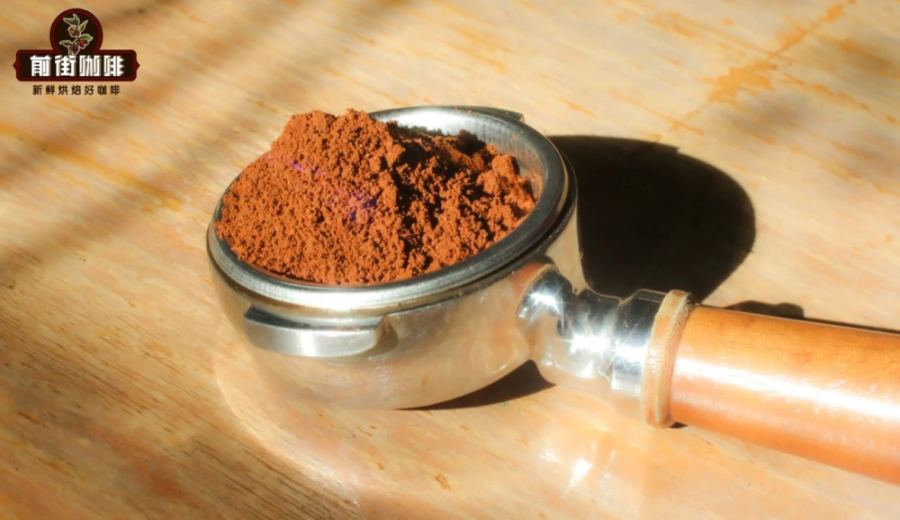
Introduction:Making a satisfying espresso hinges on precise control of the coffee-to-water ratio and extraction parameters. This article will delve into the relationship between dose, yield, time, and grind size, and explain how to adjust these variables to achieve ideal concentration and flavor. Whether you're a barista or a home user, you'll learn how to balance body and complexity while avoiding common extraction pitfalls with light-roast beans.
Behind an outstanding espresso is a series of precisely executed steps. Every parameter—dose, yield, extraction time, and grind size—directly influences the final flavor. Among these, the coffee-to-water ratio is the most intuitive and adjustable factor, and it plays a critical role in determining the espresso’s concentration, mouthfeel, and aroma profile. This article starts with fundamental principles, analyzing the connection between brew ratio and extraction efficiency, and guiding you on how to stabilize output and optimize flavor by adjusting various variables.
During espresso extraction, high-pressure hot water rapidly passes through an extremely fine bed of coffee grounds, producing a concentrated shot in a short time. Due to the speed and intensity of the process, even slight changes in the coffee-to-water ratio can noticeably alter the flavor complexity, body, and even crema performance. Therefore, using a timed digital scale is recommended to help monitor the interplay of these variables.
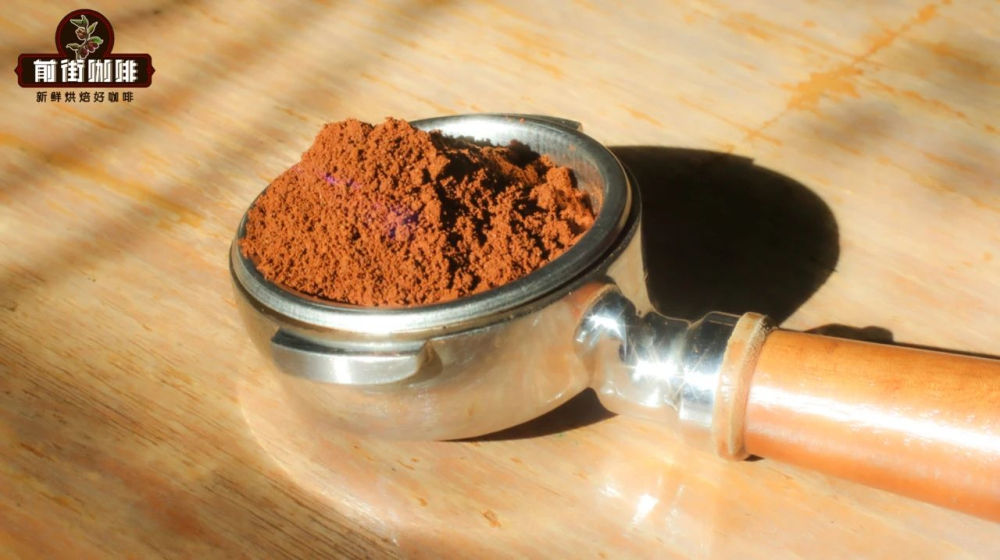
Looking back at early espresso culture, dark-roasted beans dominated, and some shops even blended in small amounts of Robusta to enhance crema and intensity, with flavors leaning toward caramel and dark chocolate. Baristas at the time often relied on experience, observing crema and flow rate to determine the end of extraction—for example, when the coffee changed from deep brown to golden, then light yellow, and finally the crema turned white, signaling it was time to stop.
With the rise of specialty coffee, more shops have begun selecting medium-to-light roast high-quality beans to highlight regional characteristics and processing methods. Meanwhile, the industry has gradually established more refined extraction standards, such as keeping extraction time between 25–30 seconds and the coffee-to-water ratio typically between 1:1.5 and 1:2.5, with 1:2 being the most widely used benchmark. For instance, some shops aim for a richer body in lattes and americanos by extracting 36 grams of yield from 20 grams of coffee.
In practice, we’ve observed that when the dose is fixed, increasing the yield lowers the overall concentration of the espresso while raising the extraction yield—meaning more later-stage flavor compounds are released, which may weaken body and even introduce unpleasant bitter or astringent notes. Conversely, a lower brew ratio may result in a stronger taste but often suffers from under-extraction, leading to pronounced acidity and incomplete aroma. Thus, beginners are advised to start with a 1:2 ratio and fine-tune gradually based on actual extraction results.
Of course, the brew ratio isn’t the only key factor. The coffee bean’s variety, origin, processing method, roast level, freshness, as well as water quality, temperature, grind size, and extraction time, all interact to shape the final outcome. Take common blends, for example—if formulated well, they can deliver rich complexity under high-pressure extraction, balancing sweetness, fruit acidity, and a full body. But during adjustments, flow rate is an extremely important reference, helping us quickly assess whether current parameters are appropriate.
Flow rate refers to the amount of coffee liquid exiting per unit of time. For example, if the target yield is 40 grams but extraction finishes in under 25 seconds, the flow is too fast—in this case, consider increasing the dose or grinding finer to extend extraction time. Conversely, if it takes over 30 seconds to reach the target yield, the dose may be too high or the grind too fine, and adjustments should be made to bring the flow rate back to a reasonable range. Additionally, grind adjustments must be made cautiously, as espresso grinds are much finer than pour over, and even minor changes can significantly impact extraction.
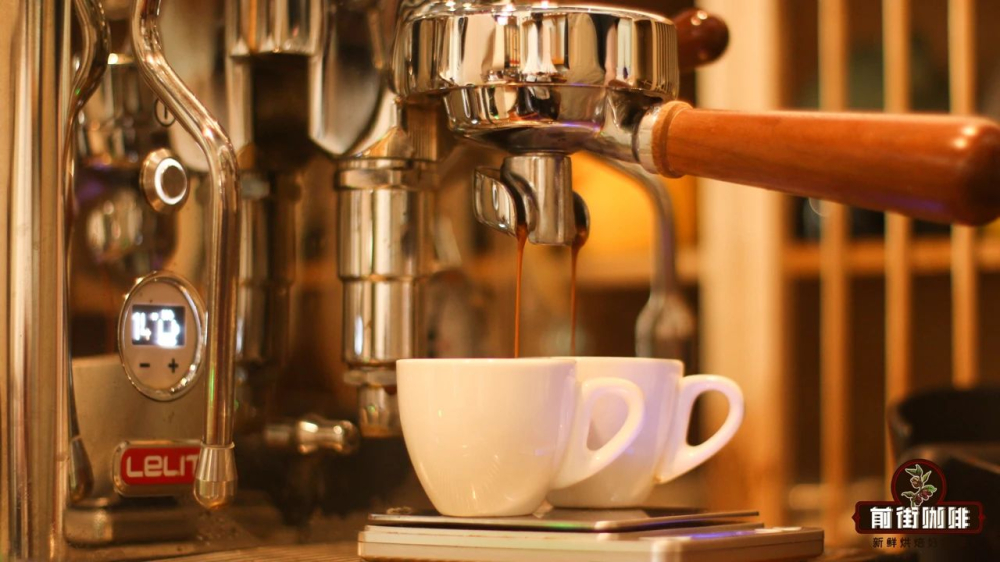
If the flow rate is too fast, it usually means the grind is too coarse, leading to under-extraction, resulting in a weak flavor with prominent acidity. If the flow is too slow, the grind may be too fine, risking over-extraction and producing noticeable bitterness and astringency. The ideal extraction state features stable flow, golden and tightly knit crema, along with balanced flavor and a full body. When the flow rate is within a proper range, it’s recommended to taste the coffee directly to confirm whether the balance and layering of acidity, sweetness, and bitterness are ideal.
For home users, due to limited experience, it’s advisable to record the dose, yield, time, grind size, and corresponding flavor profile after each parameter adjustment, which helps with future reference and optimization. Don’t overlook details—for example, the coffee bean’s shelf life and freshness also directly affect crema and aroma. It’s recommended to use beans roasted within five days to fully experience the layers and vibrancy of espresso.
Finally, for readers choosing espresso beans at home, it’s recommended to prioritize blends rather than single-origin light-roast beans. Because under the conditions of high pressure, high water temperature, and extremely fine grind, the delicate flavors of single-origin beans can easily be masked or even turn into unpleasant acidity or burnt bitterness. Blends, through the combination of different origins and processing methods, can complement each other’s weaknesses, providing a more stable and balanced flavor foundation—whether making americano or latte, they can deliver a rich and smooth cup.
The above content is compiled by CoffeeHunters, a coffee news website.


