







Introduction:Mandheling and Blue Mountain coffee are considered by many coffee enthusiasts as classic representations of dark roast. However, these two coffees from different origins actually exhibit significant differences in flavor characteristics, processing methods, and brewing suitability. This article will delve into their regional backgrounds, variety sources, processing techniques, grading systems, and provide practical pour-over parameter recommendations to help you better distinguish and enjoy the unique charm of these two classic coffees.
Mandheling and Blue Mountain coffee are often seen as classic representatives of dark-roasted beans, yet the flavor profiles they each present are vastly different. This difference stems not only from the degree of roast but is also deeply influenced by origin environment, coffee variety, and processing methods. A deeper understanding of their characteristics can help you make more precise judgments when selecting beans and brewing.
Mandheling coffee mainly comes from Sumatra, Indonesia, and its most distinctive feature is the rich, herbal, and slightly spicy notes brought out by the "wet hulling" process. This processing method is an Indonesian innovation developed to cope with the high-humidity climate and the need for rapid drying. Although the process is relatively rough, it gives the coffee a heavy body and a bold personality. In contrast, Blue Mountain coffee originates from the Blue Mountains of Jamaica, benefiting from ideal climate conditions and fertile soil. The Typica variety grown there showcases exceptional balance between acidity and sweetness along with a delicate mouthfeel.
If you prefer a rich coffee with spicy and woody aromas, Mandheling might be your favorite; but if you lean towards a smoother, more balanced cup with even acidity and bitterness and a long finish, Blue Mountain coffee is worth exploring. These two coffees are particularly valued in the Japanese market, where many roasters use Japanese-style roasting techniques to enhance their body and aftertaste, resulting in a rounder and more captivating flavor.
In terms of origin, Mandheling coffee hails from Sumatra, Indonesia, where elevations generally range between 600 and 1200 meters. Though not as dramatically affected by day-night temperature variations as higher-altitude regions, the high humidity and frequent rainfall create a uniquely distinctive coffee character. The main varieties planted here are Tim Tim and Ateng, rather than specific named cultivars. Interestingly, the name "Mandheling" actually stems from a misunderstanding—Japanese soldiers once mistook the local ethnic group’s response for the name of the coffee, and the term has been used ever since.
Blue Mountain coffee, on the other hand, grows in the Blue Mountains of Jamaica, which feature fresh volcanic soil, cool and moist climates, and frequent cloud cover at mountain peaks during the afternoon. This provides good shading and humidity, conducive to the slow maturation of the Typica variety. The Blue Mountain coffee produced in such an environment is renowned for its balance among acidity, sweetness, and bitterness, offering a silky-smooth mouthfeel with distinct creaminess as well as nutty and chocolatey tones.
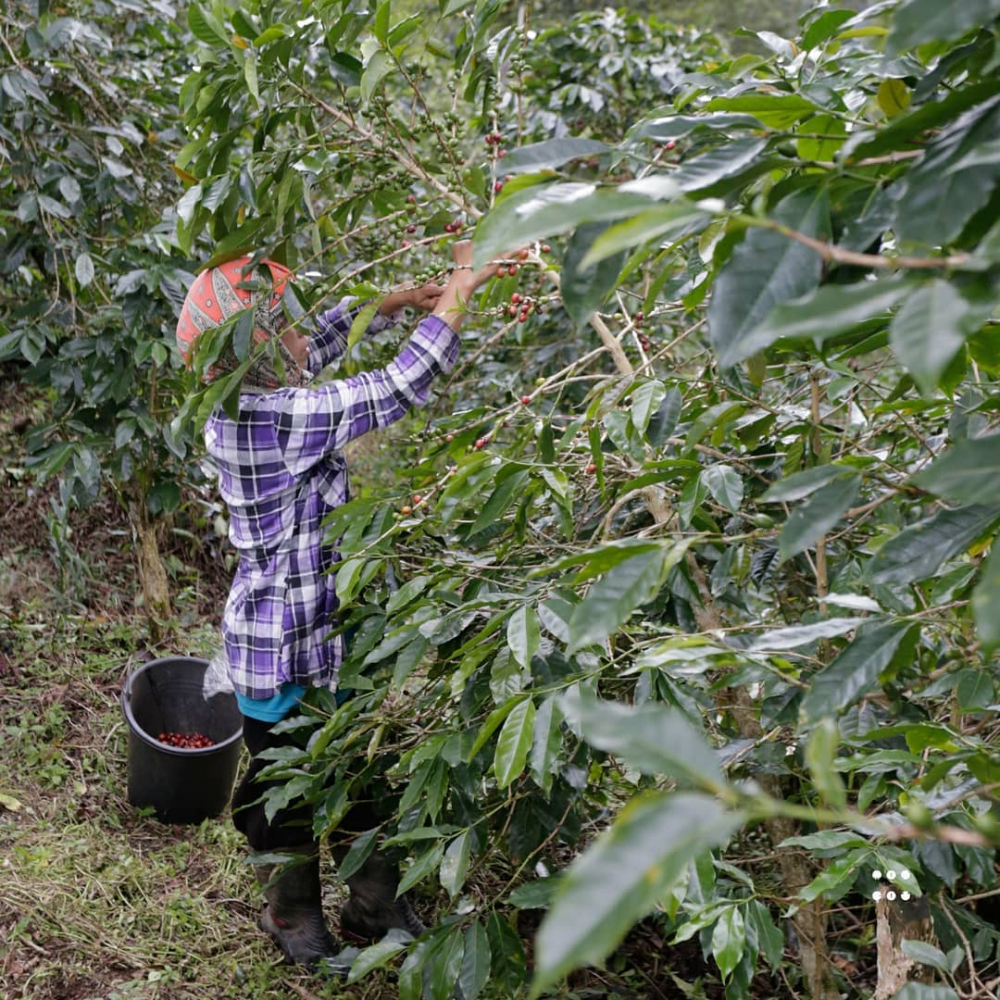
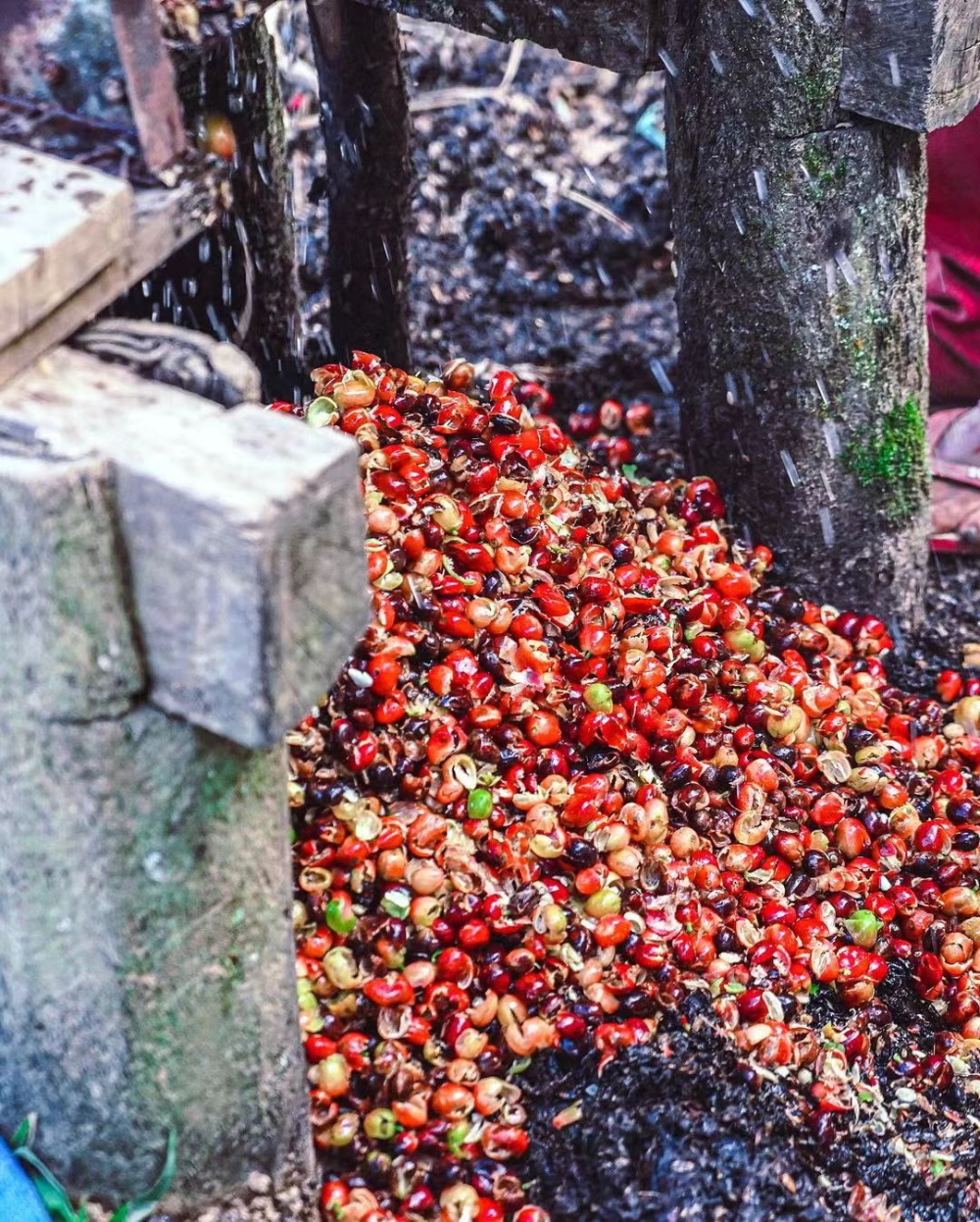
Indonesia’s wet hulling process is a very unique processing technique. Due to the frequent rainfall and persistently high air humidity in the Sumatra region, traditional sun-drying or washed methods are difficult to carry out smoothly. As a result, locals developed a method where the pulp is first removed, followed by brief fermentation, and then the parchment-covered beans are only partially dried to a moisture content of 30%-40% before the outer husk is removed. This exposes the inner green beans directly to the external environment. While this process can easily damage the beans—resulting in what are known as "elephant ear beans"—it also imparts strong regional characteristics to the coffee, including complex aromas of wood, herbs, and spices.
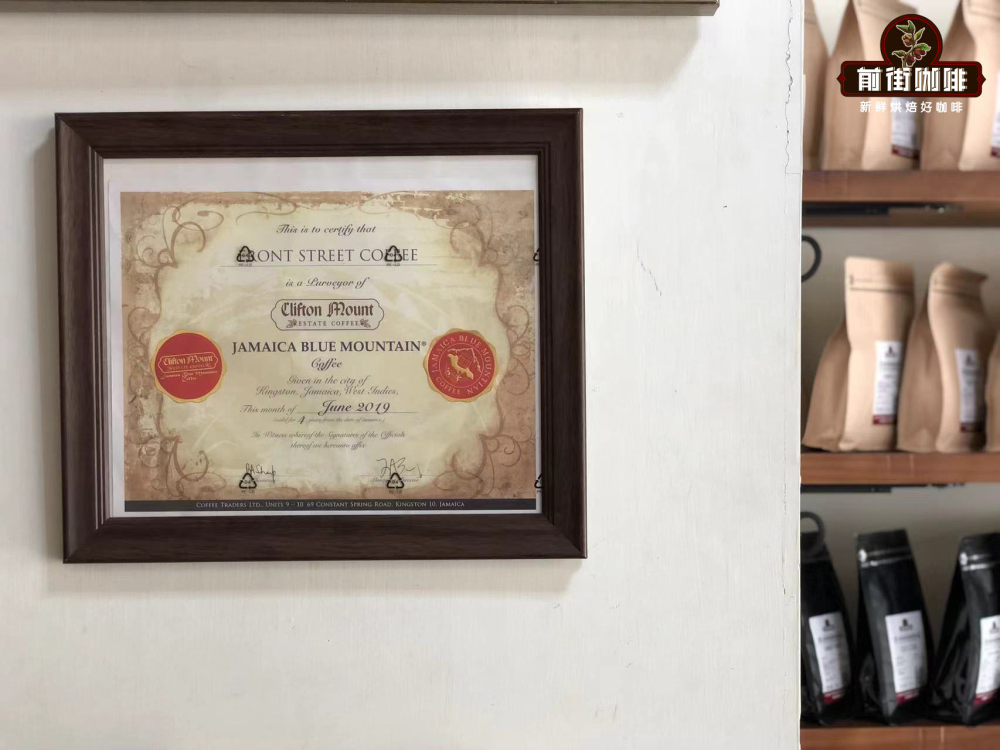
Among Mandheling coffees, one of the most highly regarded offerings is the "Golden Mandheling" launched by a certain company. This is a top-tier batch that has undergone four rounds of manual hand-picking, resulting in an extremely low defect rate and thus exhibiting a purer and more refined flavor. On the other hand, Blue Mountain coffee is rare in production and has been subject to market speculation, so it's especially important to check whether it comes with official Jamaican certification and barrel packaging when purchasing, and to confirm it is "Blue Mountain No. 1" to ensure it’s genuinely from an officially certified origin. A certain supplier’s Blue Mountain No. 1, for instance, is produced by the Clifton Estate and meets all the aforementioned official certifications.
In terms of roast level, both of these coffees are typically roasted to a medium-dark level to fully bring out their rich base and unique aromas. However, to preserve flavor details, roasters are advised to control the heat to avoid over-extraction that could lead to overly prominent bitterness. For general consumers, choosing medium-dark roasted Mandheling and Blue Mountain coffee offers a good balance between intensity and subtlety.
For brewing suggestions, it is recommended to use a KONO filter cone with a medium-coarse grind (similar to coarse sugar, roughly 70% passing through a #20 sieve), water temperature controlled around 88°C, and a coffee-to-water ratio of 1:15. The specific process can be divided into three pours: first pour 30 grams of water for a 30-second bloom, then pour in small circles to reach 125 grams, wait for the water level to drop, and then continue pouring to 225 grams. The total extraction time is approximately 2 minutes and 10 seconds. These parameters help control the release of bitterness while highlighting the coffee’s layers and sweetness.
After brewing, Blue Mountain No. 1 usually presents a rich profile dominated by chocolate and nutty notes, with a smooth, creamy mouthfeel and an excellent balance of acidity, sweetness, and bitterness; whereas Golden Mandheling exhibits a slight acidity with black chocolate flavors, accompanied by herbal and nutty aromas, and a finish with subtle caramel sweetness. Understanding these characteristics will enable you to more accurately select and brew the coffee experience that best suits your taste.
The above content is compiled by CoffeeHunters, a coffee news website.


