







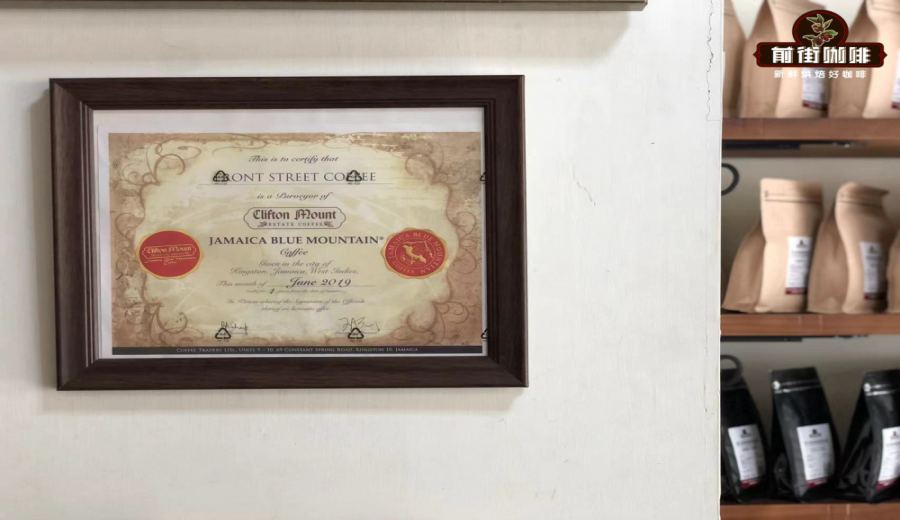
Introduction:Blue Mountain coffee has long been regarded as the pinnacle representation of specialty coffee. Despite its high price, it remains highly sought after. This article delves into the differences between Jamaican Blue Mountain No. 1 and commercially available "Blue Mountain-flavored" blends, explains the reasons for its rarity and grading system, and provides a detailed introduction to the official certification standards of Jamaica’s CIB. It also offers brewing recommendations and shop-level pour over parameters for Blue Mountain No. 1, helping you gain a deeper understanding of the flavor profile and proper tasting method of this top-tier coffee.
Blue Mountain coffee has long been one of the most iconic offerings in the specialty coffee world—not only because of its unique flavor profile, but also due to its remarkably high price. In many discussions, "Blue Mountain No. 1" is often confused with "Blue Mountain-flavored blends," but in reality, the two are fundamentally different. This article will provide a comprehensive and in-depth analysis, covering the definition, origin background, grading standards, pricing positioning, and actual brewing methods of Blue Mountain No. 1.
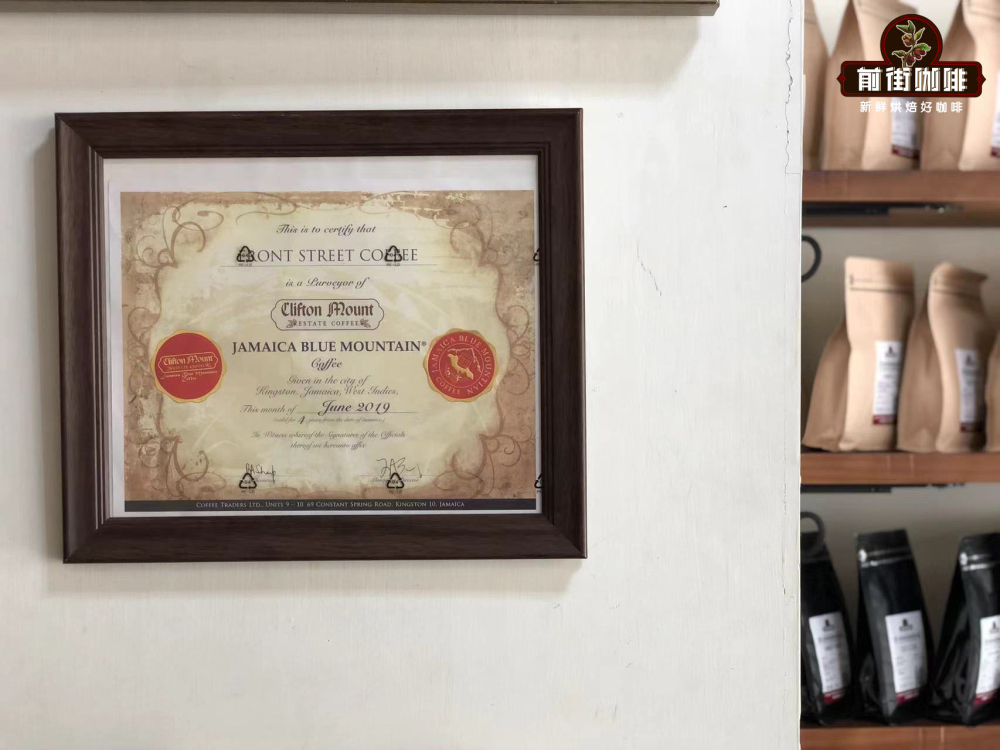
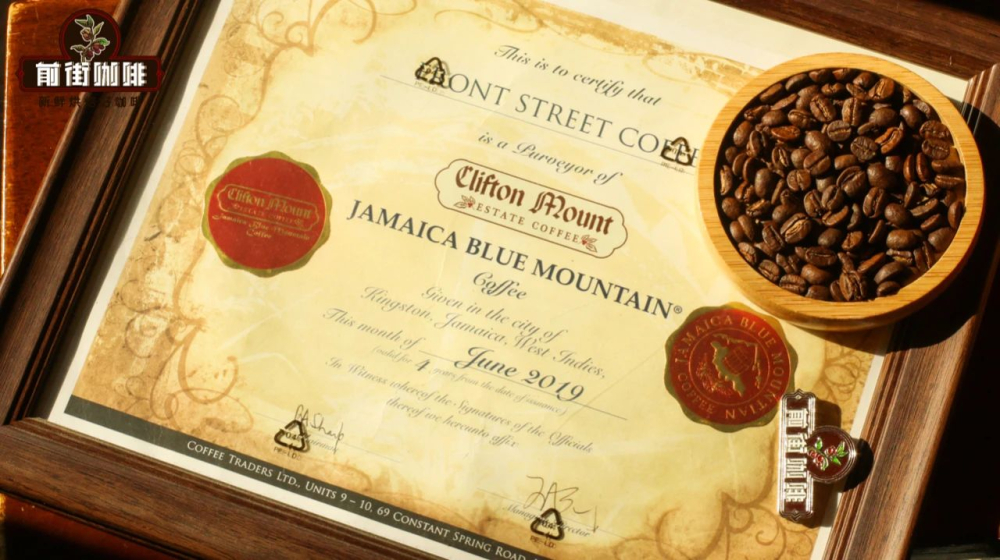
When discussing Blue Mountain No. 1, it’s first necessary to clarify what constitutes “authentic” Blue Mountain coffee. The commonly seen “Blue Mountain-flavored” blends on the market are typically made from beans sourced from other regions, using special roasting techniques to mimic the taste of Blue Mountain, but they are not from the legally defined Blue Mountain region of Jamaica. True Blue Mountain No. 1 coffee can only come from a specific area within the Blue Mountains of Jamaica, at an altitude between 910 and 1700 meters, and must be the Typica variety, certified and graded through the strict process of the Jamaica Coffee Industry Board (CIB).
The current market price for Blue Mountain No. 1, taking the 100g package as an example, is around 158 RMB. A single cup of freshly brewed coffee is priced at about 60 RMB (200ml) in some stores. Compared to earlier prices that often exceeded several hundred RMB, it is now more accessible, but it remains a high-priced single-origin coffee. Due to its limited production—less than 15% of Jamaican coffee meets the Blue Mountain standard each year, with a total output of about 900 tons—the high price is justified.
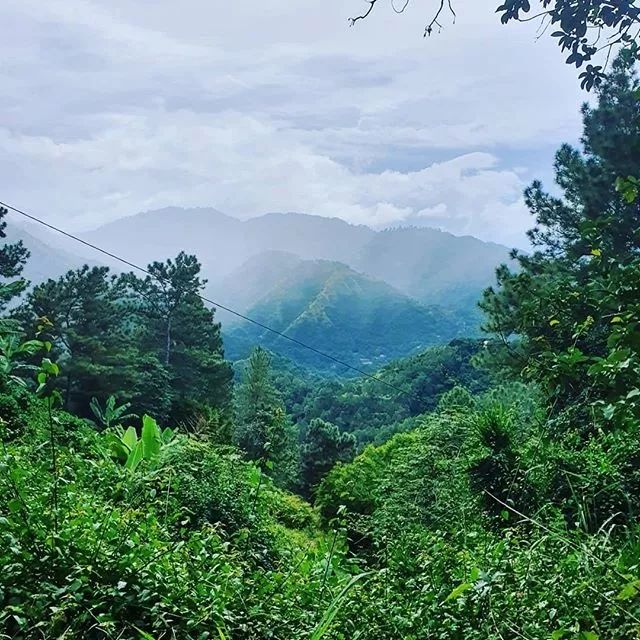
The rarity of Blue Mountain coffee is inseparable from its unique geographical environment. The Blue Mountains are surrounded by the sea, creating a stable island-style tropical rainforest climate with significant day-night temperature variations, high humidity, frequent fog, and excellent drainage. The volcanic soil in the region is rich in minerals, reducing the need for excessive artificial irrigation or fertilization—creating near-perfect natural conditions. Local farmers often intercrop coffee trees with banana trees, which not only provide shade but also help maintain soil moisture and nutrient cycling.
The CIB defines the legal Blue Mountain production area as approximately 6,000 hectares, spanning regions including Saint Thomas, Saint Mary, Saint Andrew, and Portland. Only Typica coffee grown within this specific area can be rightfully called “Blue Mountain coffee.” Coffee grown in other high-altitude areas is collectively referred to as “High Mountain coffee.” Blue Mountain No. 1 is typically cultivated at altitudes above 1200 meters, and the higher the altitude, the brighter the acidity and the more complex the flavor profile.
Blue Mountain No. 1 belongs to the Typica variety. Although its flavors are elegant, it is susceptible to disease, has low yields, and the steep terrain makes harvesting difficult—requiring skilled pickers, which further limits production. Every Blue Mountain coffee bean is quickly processed via the washed method after harvest to ensure thorough removal of the mucilage, preserving the coffee’s pure flavor. The washed green beans are then strictly graded based on factors such as size, defect rate, and moisture content.

The Jamaica CIB uses a scientific scoring system that evaluates green beans based on size (sieve size), defect ratio, color consistency, moisture content, and cupping performance. Blue Mountain coffee is divided into four grades: Blue Mountain No. 1, Blue Mountain No. 2, Blue Mountain No. 3, and Blue Mountain Peaberry. Among these, Blue Mountain No. 1 is the highest grade. It must have a sieve size of 17 or above (approximately 8mm), a defect rate below 3%, a moisture content of around 13%, and demonstrate exceptional aroma, body, and sweetness in cupping, with soft yet layered acidity.
To ensure the green beans remain dry during transport, Jamaica still insists on using traditional handcrafted wooden barrels to store Blue Mountain green beans. These barrels have become one of the symbols of Blue Mountain coffee. In terms of roasting, to highlight the distinctive balance and rich base tone of Blue Mountain coffee, many roasters opt for medium to dark roasts to enhance the flavors of dark chocolate and nuts, while retaining moderate acidity and a sweet aftertaste. The overall mouthfeel is smooth and layered.
For home brewers looking to prepare Blue Mountain No. 1, it is recommended to use freshly roasted beans, ideally within 5 days of roasting for optimal flavor. As medium to dark roasted Blue Mountain No. 1 has good water absorption, it is advised to set the grind size to approximately 75% passing through a 20-mesh sieve, equivalent to EK43s setting 10.5, with a water temperature of 88°C. This helps better balance flavor release and extraction efficiency.
In practice, you may choose the KONO filter for pour over brewing. This filter design helps enhance the coffee’s body and richness, making it especially suitable for Blue Mountain No. 1, which tends toward a bitter-sweet flavor profile. A recommended coffee-to-water ratio is 1:15—that is, 15 grams of coffee grounds to 225 milliliters of water. The specific steps are as follows: start with a 30-second bloom using 30 grams of water, then pour water in small streams from the center outward in circles up to 125 grams. Once the water level drops, continue pouring up to 225 grams, then wait for the drip to finish before enjoying.
The resulting brew of Blue Mountain No. 1 will showcase distinct notes of dark chocolate richness, a mellow caramel sweetness, soft and understated acidity, and an overall full-bodied, smooth mouthfeel with an elegantly balanced flavor. It’s an excellent way to experience the classic taste of Blue Mountain coffee. Whether you’re new to Blue Mountain or a seasoned coffee enthusiast, mastering the right selection and brewing methods will allow you to fully appreciate the unique charm of this top-tier coffee.
The above content is compiled by CoffeeHunters, a coffee news website.


