







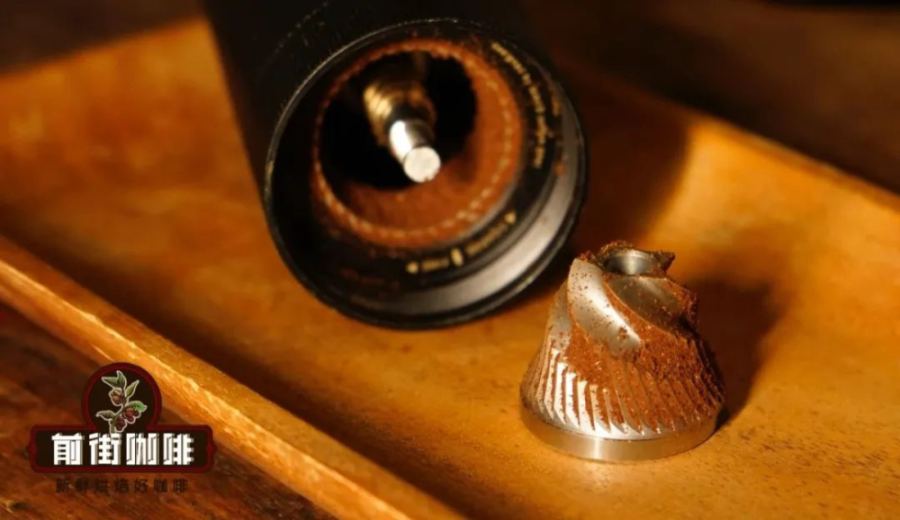
Introduction:Cleaning and maintaining your grinder is essential to ensuring that every pour over or extraction releases the true flavors of your coffee. Whether you use a hand-cranked or electric grinder, accumulated residue and static electricity over time can affect grind consistency and flavor purity. This article provides a complete guide to burr cleaning—from daily light cleaning, non-disassembly maintenance, to regular deep care—along with key tips to help readers extend the life of their equipment and maintain optimal extraction performance.
Coffee grinders can generally be divided into two main types: hand-cranked and electric. Different brands and price points vary not only in appearance and performance but also in technical parameters such as burr design and particle size distribution. However, no matter which type of grinder you choose, regular burr cleaning and overall maintenance are indispensable steps for maintaining performance and extending its lifespan.
During each grind, the metal burrs generate static electricity through friction, causing fine coffee particles to easily stick to the burr surfaces and inside the powder chamber. As usage frequency increases, layers of residue gradually accumulate—especially with dark roast beans, which contain more oil and are more likely to leave oily stains during grinding. If not cleaned for a long time, this can result not only in rancid odors but also cause flavor contamination between old and new coffee grounds, or even block the grinding path, affecting extraction quality and equipment longevity.
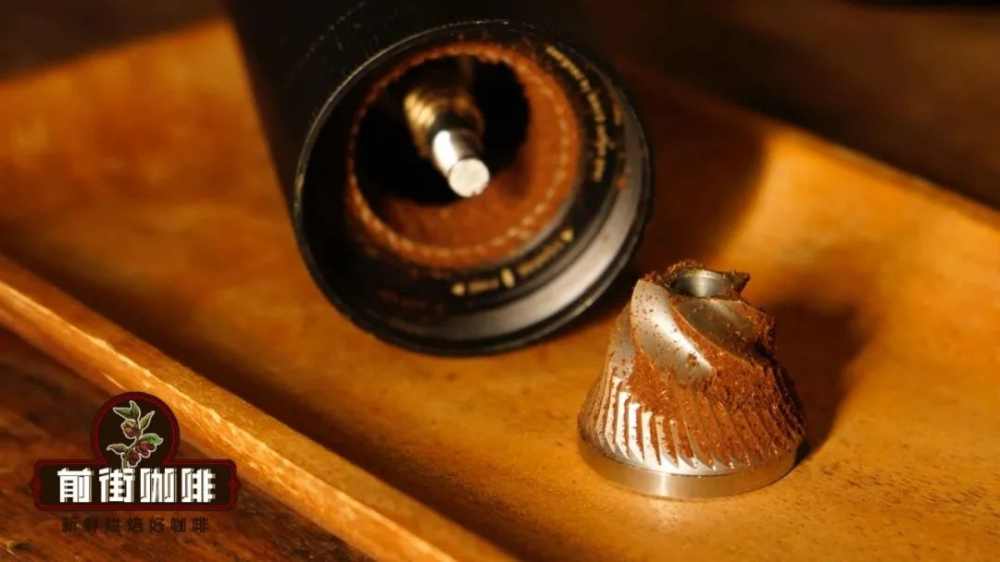
For basic daily maintenance after each use, it’s recommended to let the burrs spin freely for a few rotations or gently tap the machine to help dislodge any remaining coffee particles. Then, use a dedicated brush or a blow ball and other small tools to remove visible coffee dust from the bean hopper, chute, and grounds container. Additionally, place the grinder in a dry and ventilated area to avoid moisture affecting the metal parts. For electric grinders, it’s also important to regularly check power cords and plugs for signs of aging, as well as potential risks such as rodent damage.
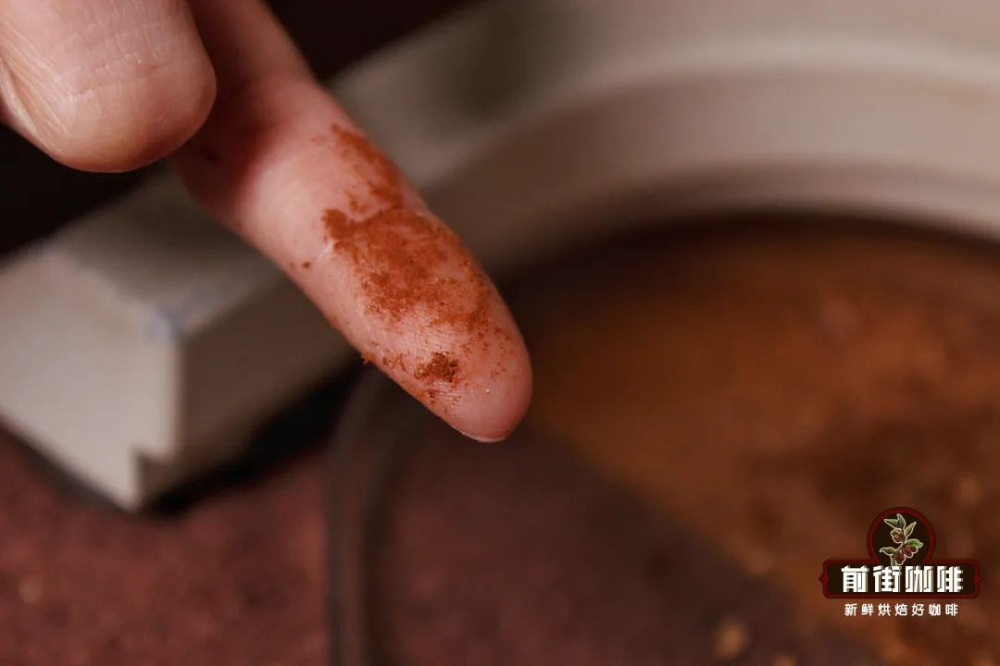
It’s worth noting that routine light cleaning usually only removes loose residue. If you notice obvious powder buildup on the inner walls of the chute—such as feeling a layer of powder when lightly touching it—it means a considerable amount of “stubborn” fine powder has accumulated. In this case, a deeper cleaning process is required.
If you prefer not to disassemble your grinder, you can use cleaning tablets for non-disassembly maintenance. The process is very simple: just place several dedicated cleaning tablets into the bean hopper and run the grinder as you normally would. This will help flush out residual debris trapped in the burr crevices through normal operation. This method is recommended every 2 to 3 months, especially for home users who grind 1 to 3 cups of coffee per day. However, when using cleaning tablets, it’s advisable to adjust the grind setting to a coarse sugar-like level to prevent overly fine settings from causing the cleaning tablet residue to remain in the burrs, which could negatively affect subsequent grind quality.
When you notice grinding becomes sluggish, the resulting coffee particles are uneven in size, or there's a significant increase in the proportion of ultra-fine powder—leading to frequent clogging during the latter stages of pour over or extraction—these signs typically indicate that the grinder has accumulated a large amount of internal residue and urgently needs a disassembled deep clean.
However, for electric grinders with more complex structures, it is advised that non-professional users avoid disassembling them themselves to prevent loss of parts or mechanical damage due to improper operation. In such cases, seeking assistance from professional technicians for inspection and maintenance is a better way to ensure equipment performance and safe usage.
The above content is compiled by CoffeeHunters, a coffee news website.


