







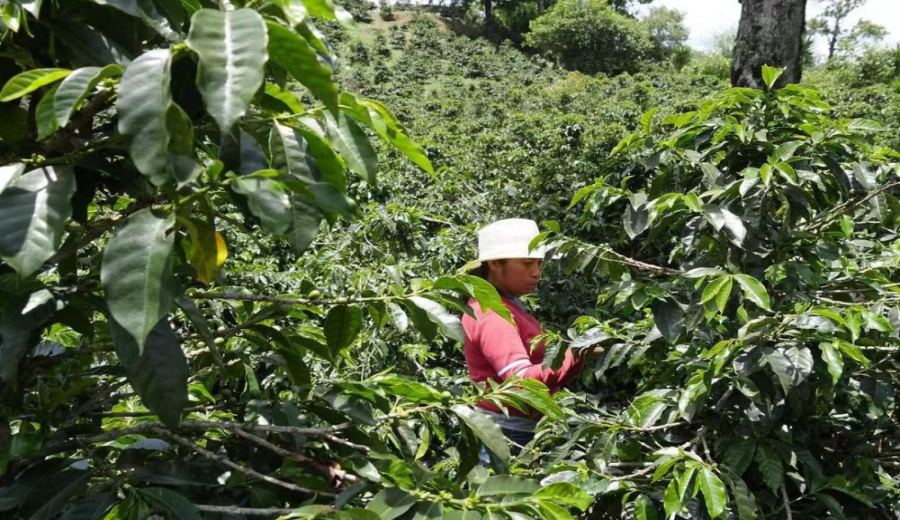
Introduction:Delve into the geographical advantages and the characteristics of the six major producing regions of Honduras, a Central American coffee powerhouse. From traditional washed processing to innovative barrel fermentation techniques, we analyze its unique flavor profile. This article focuses in particular on the sherry barrel-fermented beans from Mocha Estate in the Masaguara region, detailing their altitude, variety, processing specifics, and offering professional-grade pour over recommendations—giving you a complete picture of this premium coffee with whisky aromas, from cultivation to cup.
Walk into any specialty coffee shop and order a hot Americano. If the first sip brings a distinct whiff of whisky, it’s very likely thanks to Honduran coffee beans. This surprise—full of whisky-like finish yet completely alcohol-free—stems from the emerging barrel fermentation processing method, and Honduras is one of the pioneer regions putting this technique into practice.
Although Honduras leads Central America in coffee production, it has long been undervalued by the market. This country, once called "the abyss (Hondura)" by Columbus, has over 70% of its land area covered by mountains and plateaus. With an **average altitude of 900–1500 meters**, coupled with its location in the **golden coffee-growing belt between 13–16 degrees north latitude** and abundant rainfall (annual precipitation of 2000–3000 mm), it creates a microclimate perfectly suited for growing Arabica beans.
Coffee was first introduced to Honduras as late as 1894. Initially, due to the long investment return cycle, only scattered smallholder farmers planted it. It wasn’t until 1949, when the government built mountain roads, and 2011, when Honduras became the world’s second-largest exporter of Arabica, that the industry began to establish its presence. Nowadays, Honduran coffee is known for its rich black sugar base paired with berry notes, and some micro-regions even exhibit distinctive chocolate and apricot aromas.
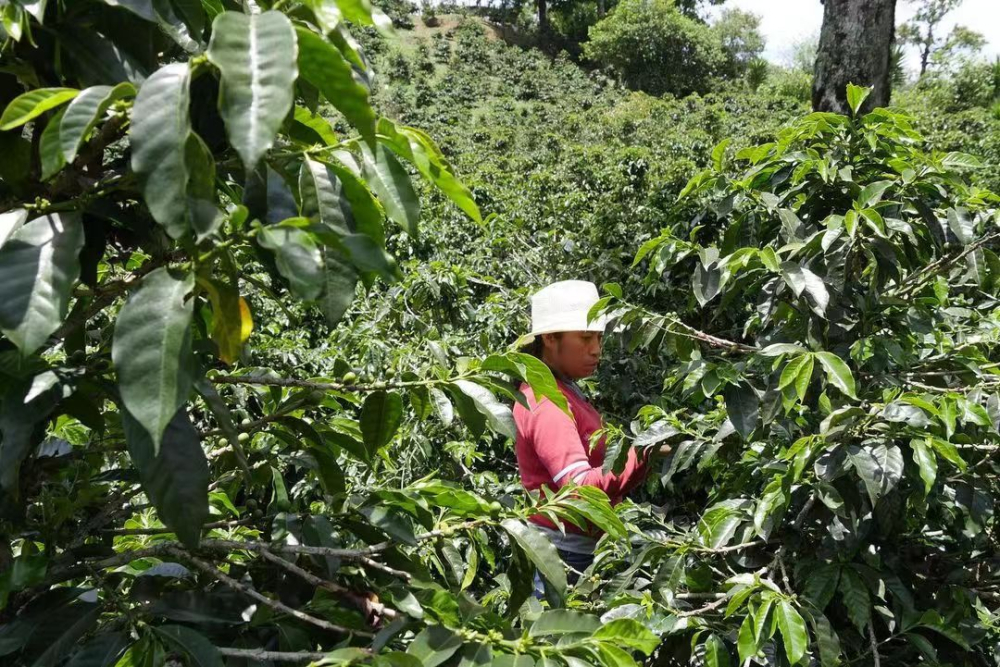
According to classification by the Honduran Coffee Institute (IHCAFE), the country is mainly divided into six core producing regions, each equipped with professional cupping laboratories.
CopanLocated in the northwest, bordering Guatemala and El Salvador, **at an altitude of 1000–1500 meters**, primarily producing Bourbon, Caturra, and Catuai, with a harvest season from November to March of the following year.
Marcala-MontecillosIn the southwest, **at an altitude of 1200–1600 meters**, excelling in Bourbon and Pacas, with a production season from December to April.
OpalacaIn the northwest region, **at an altitude of 1100–1500 meters**, where Typica and Caturra are the main varieties.
AgaltaCovers the northern and eastern highlands, **reaching up to 1950 meters**, making it one of the highest-altitude producing regions in the country.
ComayaguaLocated in the central-western core area, **at an altitude of 1000–1500 meters**, where the Bourbon variety performs exceptionally well.
El ParaisoIn the southeast, **at an altitude of 950–1950 meters**, primarily cultivating Catuai and Caturra.
Among them, Mocha Estate in the municipality of Masaguaraat an altitude of1500–1700 meters
nurtures a blend of Caturra, Catuai, and Pacas beans using whisky barrel fermentation. This technique draws inspiration from winemaking—the micro-oxygen environment inside the barrels accelerates fermentation and softens tannins, while tannic acids seeping from the barrel walls impart a rich layered complexity to the coffee. Meanwhile, residual vanilla and woody notes from aged whisky transform into unique cream and berry aromas.For actual brewing, it is recommended to usea Hario V60 #01 filter, withwater at 90°C, adose of 15 grams of coffee and a 1:15 coffee-to-water ratio, ground to 80% extraction through a #20 sieve. The specific process: start with a 30-second bloom using 30 grams of water, then pour in a thin stream in a circular motion until reaching 125 grams for the first pour. When the coffee bed is about to be exposed, continue pouring until reaching 225 grams to finish. The total extraction time is approximately2 minutes exactly
. This method highlights its vanilla cream top notes, as well as the balanced finish of whisky, dark chocolate, and maple syrup aftertaste.
The above content is compiled by CoffeeHunters, a coffee news website.


