







Introduction:Want to dive deeper into the allure of Mandheling coffee? From Sumatra’s unique wet-hulling process to the differences between classic Golden Mandheling and Aged Mandheling, and from optimal pour over brewing parameters to flavor profiles — this comprehensive guide will take you from the region’s background to hands-on brewing, helping you fully grasp the essence of this dark-roasted, bold-flavored coffee.
Mandheling coffee is a classic favorite among many coffee enthusiasts, renowned for its rich, bold, and bitter-sweet unique flavor profile. Originating from Indonesia’s Sumatra Island, this coffee undergoes a special wet-hulling process, resulting in complex layers of herbal, caramel, and dark chocolate notes, making it a top choice for fans of bold coffees. This article will take you into the Sumatra region, analyze different grades of Mandheling, explore the uniqueness of the wet-hulling method, and provide expert pour over recommendations along with flavor descriptions to help you fully experience the charm of this classic coffee.
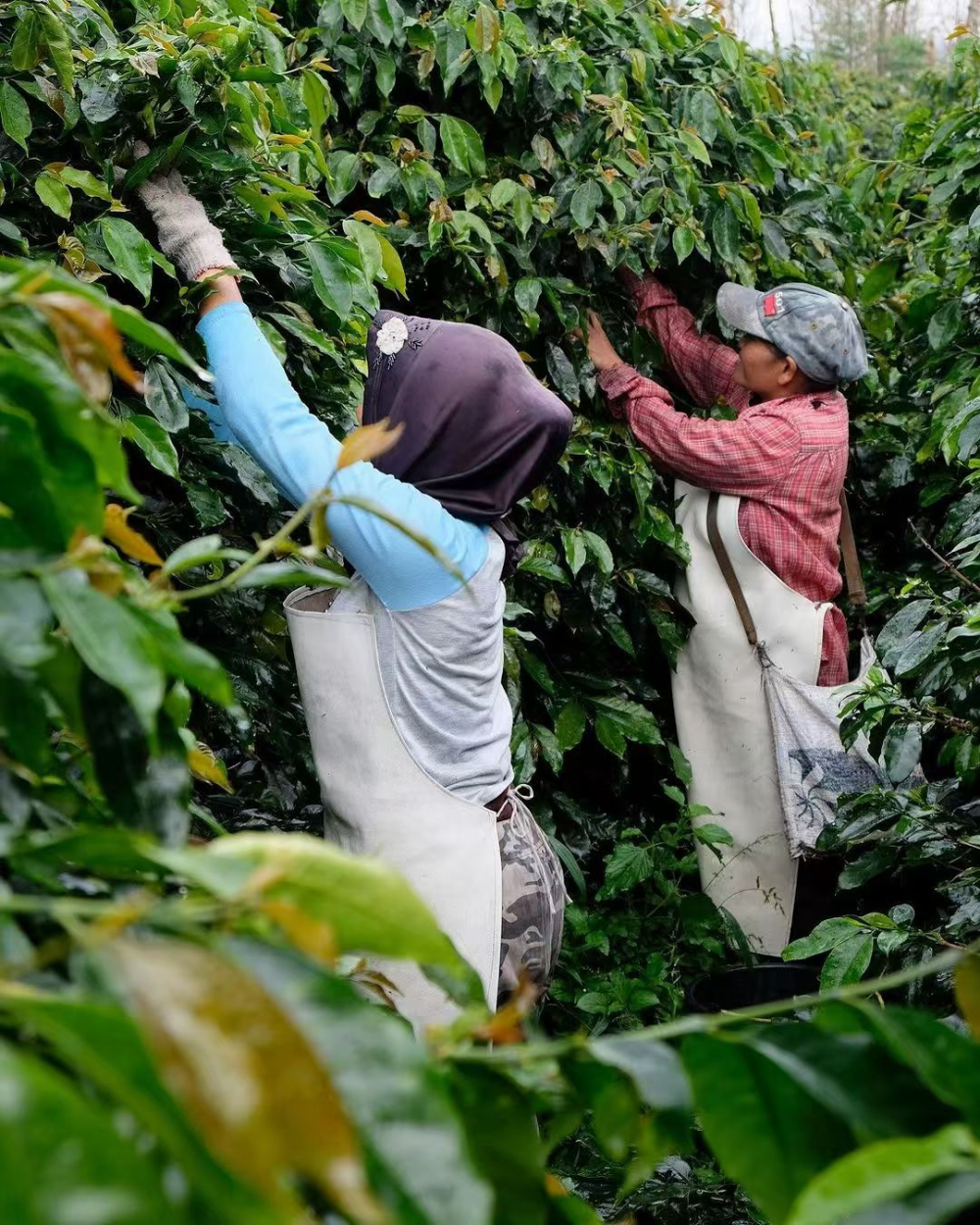
The homeland of Mandheling coffee is Sumatra Island in Indonesia. Most areas here are at relatively low altitudes and mainly produce commercial-grade coffee beans; however, in the highlands of Aceh and North Sumatra, at elevations between 750 to 1500 meters, the climate conditions are extremely suitable for growing Arabica coffee. This area has a tropical rainforest climate with abundant rainfall year-round, and relatively high temperatures and humidity, providing an ideal growing environment for coffee trees. As Mandheling’s popularity grew, Arabica beans from Sumatra gradually became collectively referred to as ‘Mandheling coffee,’ and are further subdivided by characteristics into various types, such as Lintong Mandheling, Golden Mandheling, and Aged Mandheling.
Lintong Mandheling comes from the mountainous areas around Lake Toba in Sumatra. This lake, located north of Medan City, is a high-altitude freshwater lake with an average elevation of about 900 meters. Lintong Mandheling is the traditional Mandheling in the truest sense. After wet-hulling processing, it emits strong herbal and earthy aromas, making it an entry-level choice for many newcomers to Indonesian coffee. This coffee is usually categorized as a daily drinker bean — affordable and with distinct flavor characteristics, making it highly suitable for everyday enjoyment.
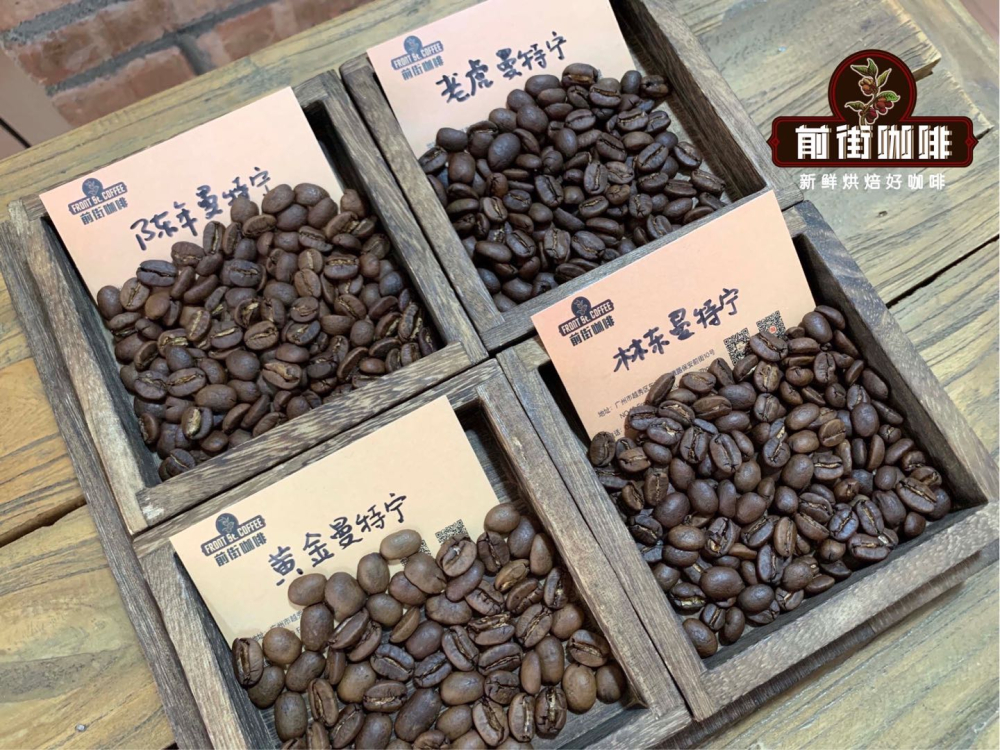
Golden Mandheling, on the other hand, is a higher-grade specialty Mandheling, exclusively produced by Indonesia’s PWN company. PWN has long registered the “Golden Mandheling” trademark, so only specific grades of coffee produced by this company qualify to bear this name. The green beans of this coffee undergo strict screening, typically using only G1 grade beans that are 18 mesh or larger with minimal defects — no more than 3 defective beans per 300-gram sample. In addition to machine sorting, they also go through three rounds of manual picking to ensure consistency in size, shape, and color. Thanks to such rigorous processing, Golden Mandheling offers a cleaner, brighter flavor, with more pronounced sweetness and body. Its flavor profile often includes spices, dark chocolate, nuts, caramel, and cedar notes — a well-layered, long-finishing dark roast coffee.
Another noteworthy option is Aged Mandheling, a type of coffee that has undergone prolonged storage and maturation, with acidity gradually transforming into richness, resulting in a more rounded flavor. It’s a must-try for coffee lovers who prefer low acidity and bold taste. Additionally, varieties like Tiger Mandheling, which exhibit distinct herbal and spice notes, also showcase the diversity of Sumatran coffee.
Why does Mandheling use the wet-hulling method? The answer is closely related to Sumatra’s extreme climate. The area often experiences humidity levels of 70% to 90% year-round, with frequent rainfall exceeding 2000 millimeters annually, making it impossible to employ long sun-drying methods as seen in Africa or Central and South America. At the same time, although the washed process preserves more acidity, it requires large amounts of water and labor, which is too costly for local farmers. As a result, Indonesia developed the wet-hulling method, a unique semi-washed processing approach.
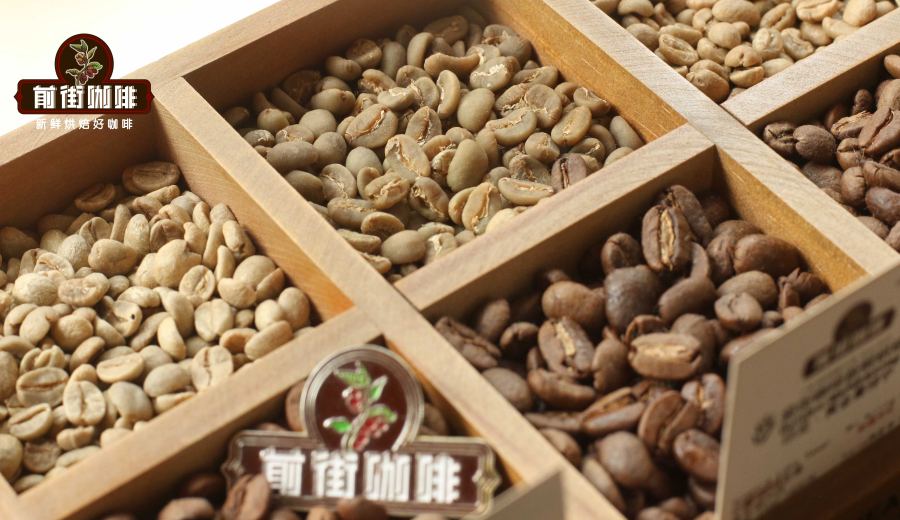
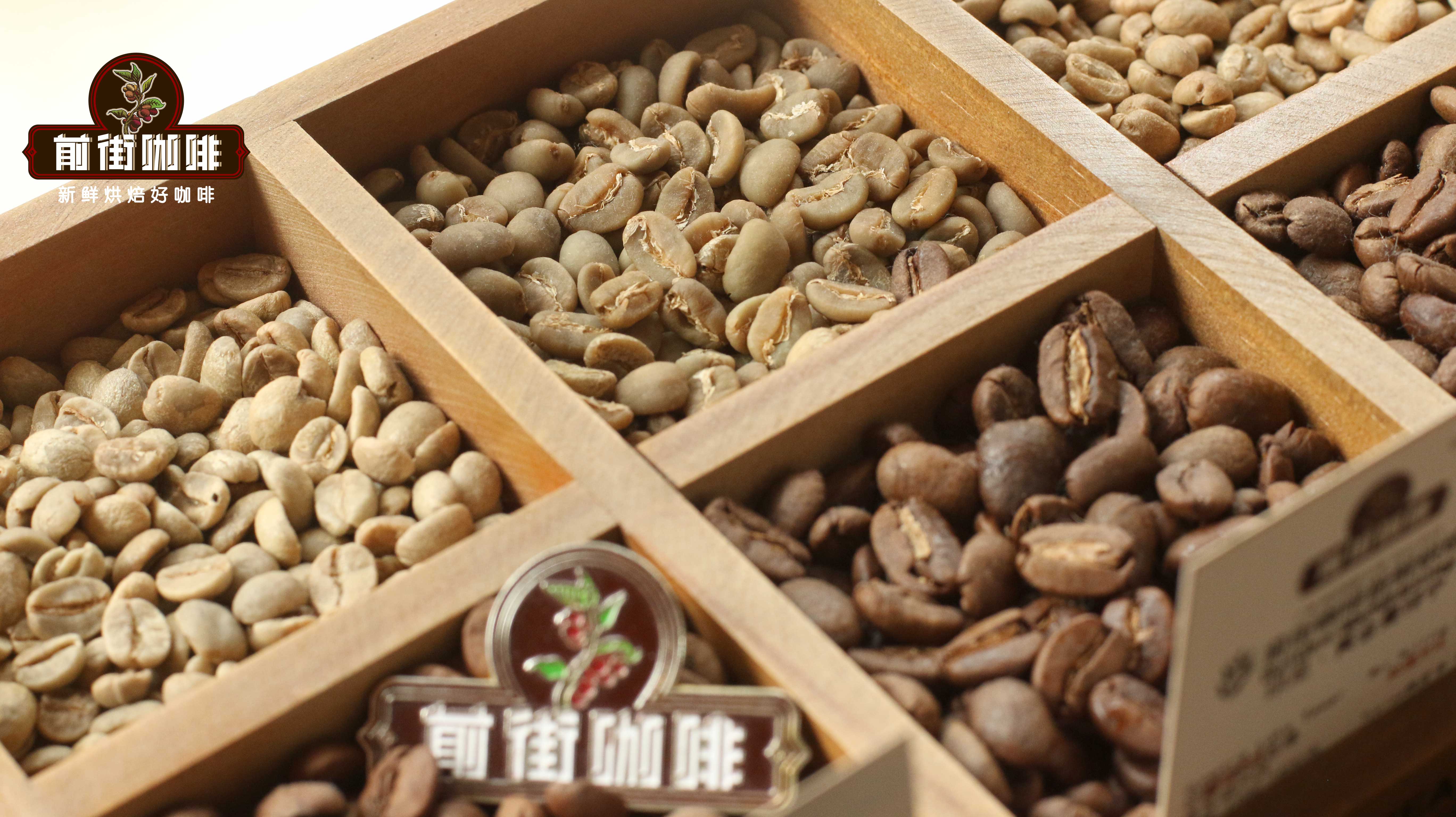
The wet-hulling process generally follows these steps: First, the coffee fruit’s skin and pulp are removed, and the mucilage-covered parchment beans are briefly fermented for several hours, then rinsed with clean water to remove residual mucilage. Next, the parchment beans are left to dry in the shade for initial drying, usually only reducing moisture content to 30% to 40%, taking about 2 to 3 days, at which point farmers sell the semi-dried beans. The buyer then uses machines to hull these semi-dry parchment beans. Due to the high friction during hulling, the surface of the green beans can be easily damaged, forming the distinctive “elephant ear”-shaped notches. Finally, the beans, now with the parchment layer removed, only need to be dried to 12% to 13% moisture content before packaging. Because the drying time is significantly shortened, acidity is markedly reduced, but body, caramel aroma, and herbal or woody “regional flavors” are intensified, creating Mandheling’s unique flavor personality.
So, how can you brew Golden Mandheling to bring out its best flavors? Since this coffee is typically medium-dark roasted, it’s recommended to let it rest for 7 to 10 days after roasting, allowing the beans to degas and stabilize before brewing, in order to achieve the most ideal flavor expression. To preserve its body and herbal-spice character, it is advised to use a medium-coarse grind (approximately 70% passing through a Chinese No. 20 sieve), and control the water temperature at 87–88°C to avoid over-extraction, which could lead to excessive bitterness.
For pour over equipment, the KONO filter cone is particularly suitable due to its fewer drainage ribs and smooth upper curve, which effectively restricts upward airflow, creating a siphon-like immersion effect. This helps fully release aromatic compounds from the coffee grounds, thereby enhancing body and mouthfeel richness. It’s very well-suited for medium-dark roast beans, such as Golden Mandheling, Blue Mountain, or Brazilian Queen Estate.
Specific pour over parameters are recommended as follows: Water temperature 87–88°C, medium grind (70% passing through a Chinese No. 20 sieve), 15 grams of coffee, a 1:15 coffee-to-water ratio, using a three-pour method. Start with a bloom using twice the coffee weight in water (about 30 ml) for 30 seconds, then pour in small circles from the center outward to 125 grams. When the water level drops to half the filter cone, continue pouring with the same fine stream to 225 grams, keeping total extraction time around 2 minutes. Finally, gently swirl the coffee liquid before enjoying this classic Mandheling with its intense, multi-layered flavors.
When you grind Golden Mandheling, you’ll be greeted by a rich roasted hazelnut aroma; during the bloom stage, caramel notes are especially prominent. Upon tasting, black chocolate, nuts, caramel, and sweet fruit flavors intermingle, and as the temperature cools, spicy and woody notes gradually emerge. The overall flavor is balanced, layered, and the finish is long and clean — making it an excellent choice for experiencing the charm of Sumatra’s wet-hulled coffee.
The above content is compiled by CoffeeHunters, a coffee news website.


