







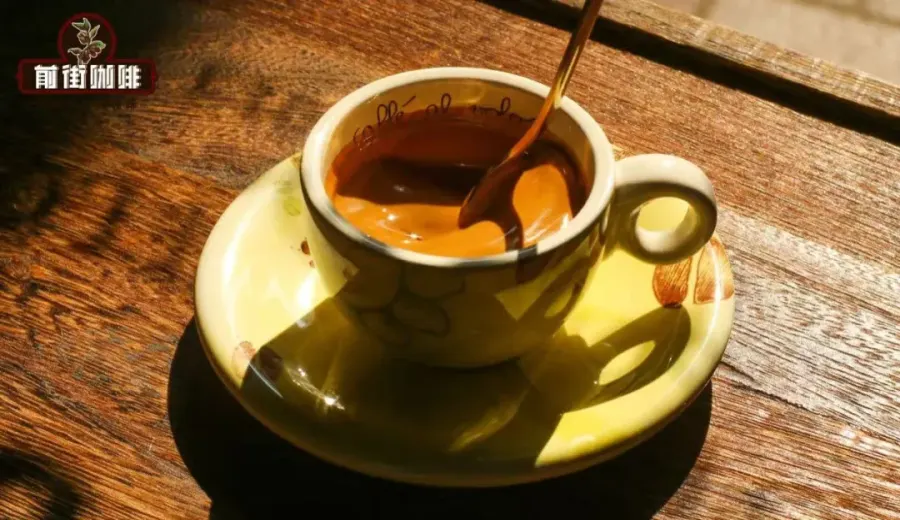
Introduction:The golden crema on the surface of an espresso is not just a visual delight, but also a key indicator of extraction quality. Understanding how crema forms can help you assess coffee bean freshness, grind size, and dose distribution. This article delves into the science behind crema, teaching you to observe extraction status through its color, texture, and stability, and recommends two classic espresso blends perfect for home use—so you can pull beautiful crema at home too.
Although espresso isn’t the first choice for most people’s daily coffee, it’s the soul base of classic drinks like lattes and cappuccinos. This small, highly concentrated cup of coffee is most notably characterized by a tempting layer of golden-yellow foam floating on top—crema. This foam not only affects the coffee’s appearance but is also directly linked to flavor richness and aroma release.
What is Crema?It’s an emulsified layer formed by insoluble coffee oils and carbon dioxide under high pressure. Only using an espresso machine with9 bar pressurecan dissolve large amounts of carbon dioxide into the liquid during extraction, which is then enveloped by coffee oils to form a stable foam structure. This delicate foam is one of the most distinct characteristics that set espresso apart from other brewing methods.
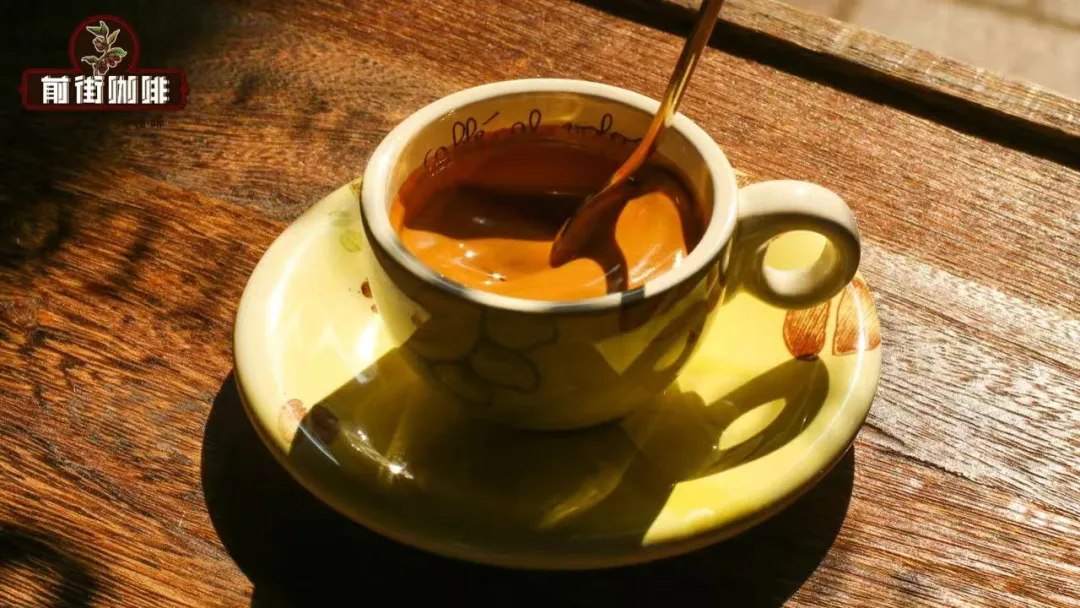
Many people mistakenly think crema is purely coffee oil, but in fact, it’s a composite made up of tiny bubbles, oils, and soluble solids. When pressurized water passes through a compact puck of coffee grounds, the carbon dioxide inside the beans cannot escape due to the pressure and is forced to dissolve into the water. At the same time, the natural oils in the coffee are emulsified, forming a stable foam layer that floats on the surface of the coffee.
This golden crema not only delivers captivating aromas of caramel, nuts, and toasted bread, but also enhances latte art texture, taking your coffee artistry to the next level. More importantly, its condition can directly reflect whether the extraction was successful.

To pull beautiful crema at home, choosing the right coffee beans is key.It’s recommended to prioritize freshly roasted medium to dark roast beans, and ensure they’ve had adequate resting time. For beginners practicing latte art, a blend rich in crema and stable in texture can greatly lower the learning curve.
Traditionally, espresso blends combine beans from different origins to achieve both flavor balance and optimal crema performance. Some recipes include a small amount of Robusta beans, leveraging their naturally high oil content to enhance crema thickness and longevity—but the proportion must be controlled to avoid excessive bitterness.
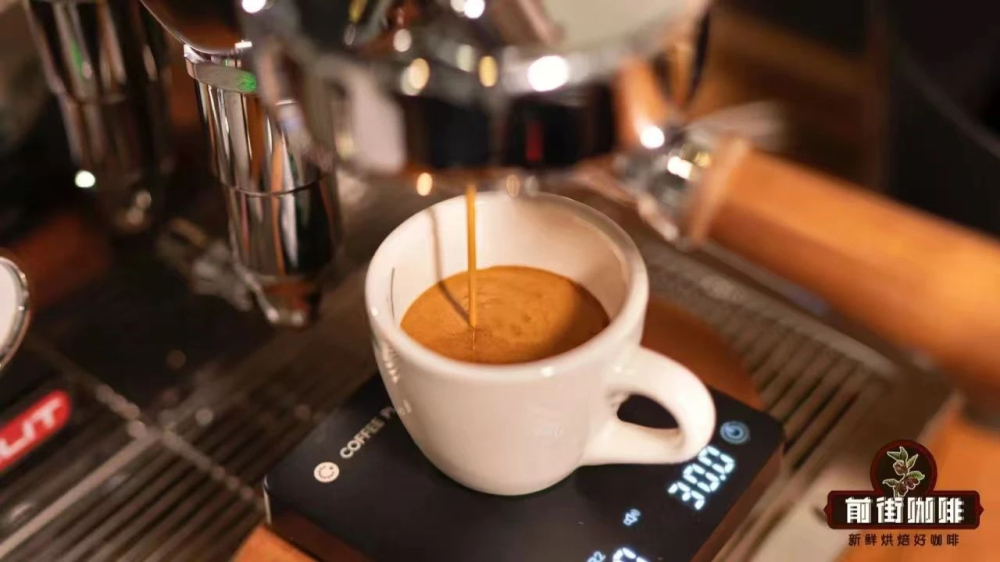
Observing the state of crema is one of the most intuitive ways to judge extraction quality. Ideal crema should appearuniformly golden yellow,with a smooth, creamy texture that persists in the cup without quickly dissipating. When you gently swirl the cup, high-quality crema will show a silky, flowing movement.
Conversely, if the crema is rough, has obvious bubbles, and disappears quickly, it’s usually because the coffee beans are too fresh, with excessively high internal carbon dioxide levels leading to an unstable emulsion structure. In this case, it’s advisable to let the beans rest for an appropriate period before use, allowing gases to dissipate naturally.
If you notice clumping or especially thick crema, possible causes may include: using high-oil Robusta beans, an overly fine grind leading to slow flow rate, or tamping the coffee too firmly causing uneven extraction. Especially when the crema is dark in color and distributed unevenly in chunks, it often indicates unstable extraction pressure.
When the crema is too light, appearing pale or light yellow with a thin layer, it could be due to an overly coarse grind, insufficient coffee dose leading to fast flow rate, or uneven distribution (channeling) allowing water to pass through the puck without full extraction. Over-extraction can also cause crema to gradually turn from golden to brown, eventually fading to pale.
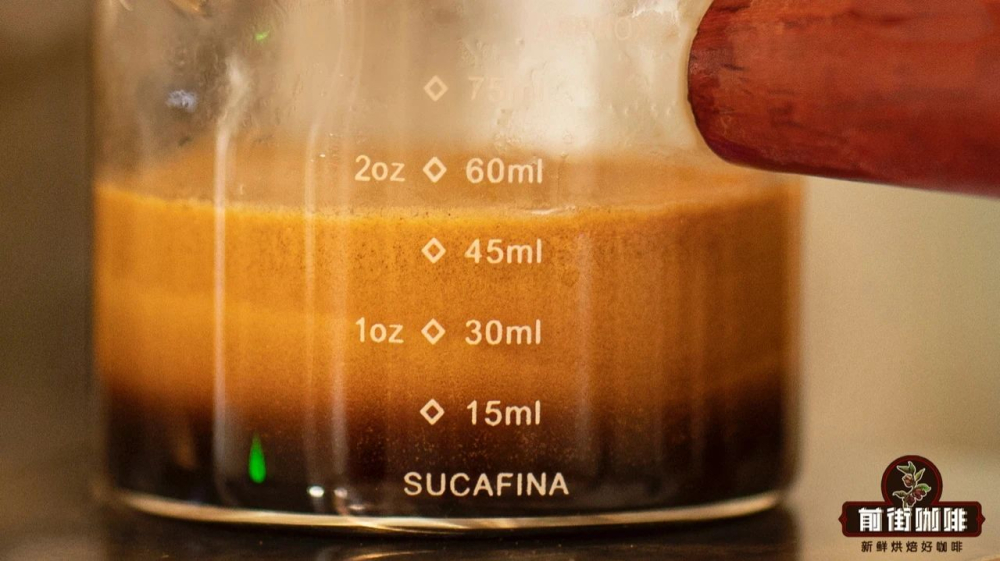
In a high-quality espresso, crema is not just decoration—it’s the carrier of overall flavor. As you sip, this rich foam envelops the tongue, delivering a more dimensional taste experience and extending the lingering aroma in your mouth. Espresso without crema is like a soulless version, missing out on the intended richness and layered complexity.
In summary, the formation and maintenance of crema require precise coordination of multiple factors: appropriate roast level, freshly roasted beans with suitable freshness, correct grind size, even distribution and tamping, and stable extraction pressure. By observing the color, texture, and stability of crema, you can quickly assess the extraction status and adjust parameters accordingly, gradually pulling your own perfect shot of espresso.
The above content is compiled by CoffeeHunters, a coffee news website.


