







Introduction:Want to brew delicious coffee at home without breaking the bank on high-end equipment? From classic pour over to convenient moka pots, and even fully automatic coffee machines, each brewing tool offers unique flavors and operation styles. This article dives deep into the mainstream home coffee extraction tools, including Hario V60, AeroPress, French press, Chemex, and more. It explains the types of coffee beans they’re best suited for, optimal extraction parameters, and typical flavor profiles—helping you find the brewing method that best fits your budget and taste preferences.
To enjoy a great cup of coffee at home, you don’t need complicated or expensive gear. The key lies in understanding the flavors you love, and the time and budget you're willing to invest. Like tea, coffee is a daily beverage that’s readily available in life, and the charm of home brewing lies in its flexibility and approachability. This article will introduce you to various extraction methods, from manual to semi-automatic, to fully automatic. These include manual tools such as Hario V60, Kalita Wave, and Clever Dripper, as well as the AeroPress, moka pot, French press, and Chemex. It also covers semi-automatic and fully automatic espresso machines, and capsule coffee makers, detailing their suitable scenarios, key operational points, and the potential flavor profiles they can produce.
Whether you’re a beginner just starting out or an experienced coffee enthusiast, you’ll be able to find the tools and methods that suit you, crafting a personalized coffee routine.
Pour Over Coffee: Flexible and Versatile, Ideal for Those Who Enjoy Tinkering with Flavor
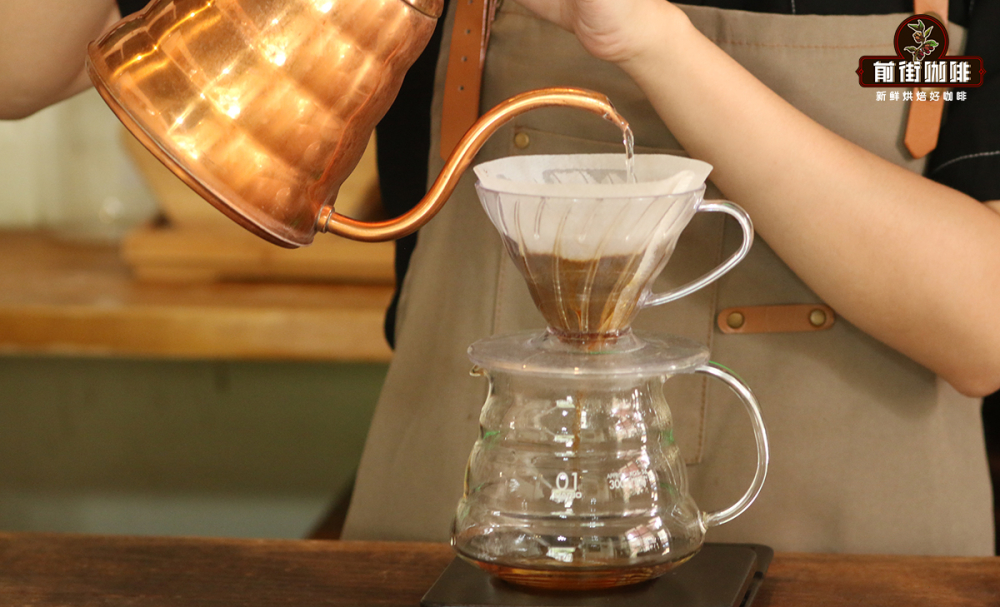
Pour over is one of the most popular home brewing methods, typically consisting of a pour over kettle, dripper, and filter paper. The charm of this method is that even with the same beans, slight adjustments to water temperature, grind size, pouring speed, or pour patterns can yield subtly different results each time—that’s what makes it so enjoyable for many baristas. Pour over works well with a variety of single-origin beans, especially highlighting the regional characteristics and processing-method flavors inherent in the coffee itself.
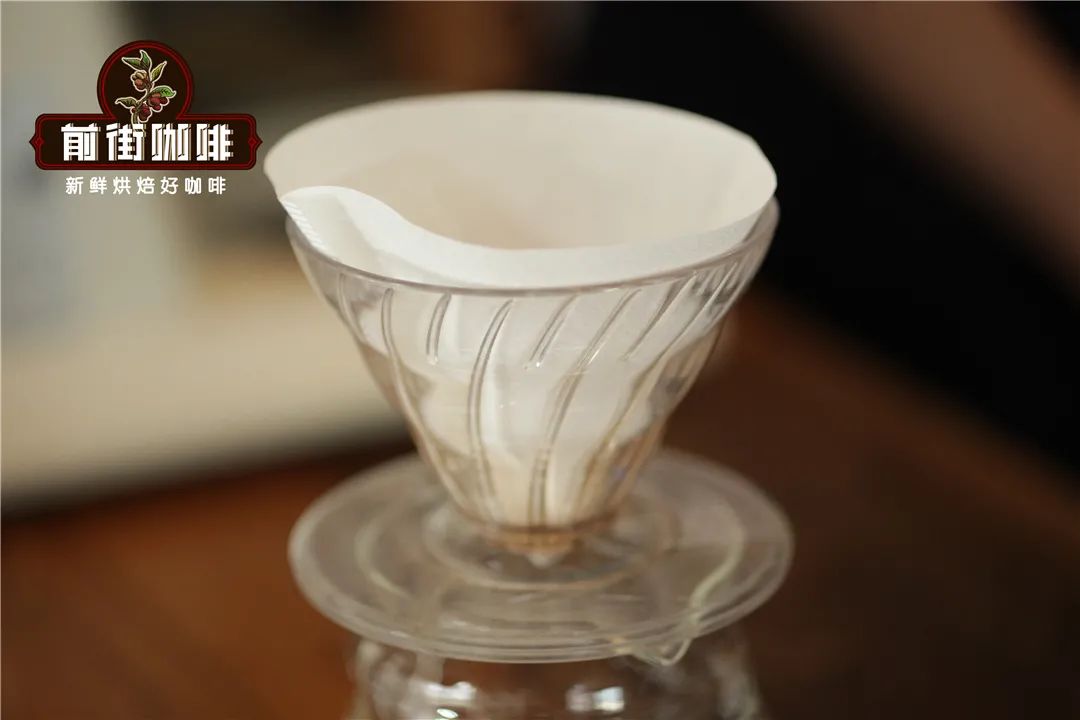
Common pour over tools include the Hario V60, known for its 60-degree conical shape, which produces clean and layered coffee. Beginners are advised to start with a medium-fine grind, blooming for about 30 seconds, then pouring with a thin stream in circular motions along the coffee bed. The Kalita Wave, with its flat bed and three small holes at the bottom, offers more stable water flow and more even extraction, resulting in a balanced flavor profile—ideal for those who prefer consistency. A medium-fine grind is also recommended here, maintaining steady flow and avoiding direct impact on the edge of the filter paper.
If you prefer a simpler tool that still delivers consistent results, the Clever Dripper is a great choice. This Taiwanese-designed dripper functions similarly to immersion brewing. It doesn’t require complex pouring techniques—just control the immersion time and coffee-to-water ratio to brew smooth and well-balanced coffee. It pairs well with medium-roasted blends, such as those with fruity notes or prominent sweetness, like berries or caramel flavors.
AeroPress: Fast and Convenient, with Rich and Varied Flavors
The AeroPress is a flexible and portable brewing device loved by coffee enthusiasts, even hosting an annual international AeroPress brewing competition. Its standout feature is the ability to brew using either positive or reverse pressure, resulting in distinctly different textures and intensities. Compared to standard pour over, coffee brewed with the AeroPress is generally richer and fuller-bodied—perfect for those who enjoy bold flavors.
Operationally, the difference between positive and reverse pressure mainly shows in flow rate and flavor completeness. Many users find that reverse pressure reduces the risk of over-extraction, preserving more aroma and complexity. Recommended water temperature is around 84°C; too high may cause bitterness, too low may lead to under-extraction. The AeroPress is highly adjustable, ideal for coffee lovers who enjoy experimenting with variables.
Moka Pot: Rich Crema, the Entry Point to Espresso-Style Coffee
The moka pot is where many coffee lovers begin their journey into espresso-style flavors. Though not a true espresso machine, it uses heat-generated pressure to push water through coffee grounds, extracting a rich coffee with crema-like oils. Its basic structure consists of three layers: one for water, one for coffee grounds, and one to collect the brewed coffee—using steam pressure from heating to complete extraction.
With extraction pressure of about 1.5–3 atmospheres (though not reaching the 9 atmospheres of commercial machines), the moka pot still delivers noticeable richness and a layer of oils. It’s recommended to use medium-dark roasted beans, such as classic or commercial blends, to highlight bold and caramelized aromas. Avoid over-extraction; usually, only the top layer of coffee is consumed—the sediment at the bottom is not recommended.
French Press: Simple and Direct, with a Full-Bodied Mouthfeel
The French press is arguably the simplest and most intuitive coffee brewing tool in the world. Just add coarse-ground coffee to the pot, pour in hot water, let it steep, then press down the filter. Without a paper filter, coffee from a French press typically has a more pronounced oiliness and richer mouthfeel, making it suitable for dark or heavily roasted beans that bring out intense flavors like chocolate, nuts, and spices.
For operation, use a coarse grind and steep for about 4 minutes—longer may lead to over-extraction. It’s great for family or shared settings, and larger capacity models are also suitable for office use.
Chemex: Stylish and High-Capacity, Ideal for Sharing
The Chemex combines design with functionality, especially appealing to those who enjoy a minimalist aesthetic or need to brew multiple cups at once. Its deep-V shaped dripper, paired with specially designed thick filter paper, effectively filters out coffee grounds and oils—resulting in clean and bright coffee, though with slightly less body. It’s recommended to use a medium-coarse grind and maintain a stable pouring speed to ensure consistent extraction.
Home Coffee Machines: From Semi-Automatic to Fully Automatic, Meeting Professional Needs
For those seeking a more professional coffee experience at home, home coffee machines offer a more stable and convenient option. They mainly fall into four categories: semi-automatic espresso machines, fully automatic espresso machines, drip filter (American-style automatic) machines, and capsule coffee machines.
Semi-automatic espresso machines are often considered the most professional option for home use. You tamp the coffee grounds yourself, but gain precise control over extraction conditions—ideal for those familiar with the brewing process. Fully automatic machines integrate grinding, dosing, and extraction in one, offering ease of use but at a higher price and maintenance cost.
Drip filter coffee machines are your common American-style machines, using normal-pressure hot water passed through a filter to brew. They produce lighter concentration and no crema, but are easy to operate, suitable for high-volume daily consumption. Capsule coffee machines prioritize convenience—just insert a capsule for a quick shot of espresso. They’re great for busy individuals or those who don’t want the hassle of manual brewing, but capsules are costly and brand systems are not interchangeable, so long-term usage costs should be evaluated in advance.
In summary, whether you’re just starting to explore the world of coffee or already an experienced enthusiast, the wide range of home brewing tools available can offer different flavor experiences and brewing pleasures. With a grasp of basic extraction principles and suitable coffee bean choices, you too can brew a truly personalized great cup of coffee at home.
The above content is compiled by CoffeeHunters, a coffee news website.


