







Introduction:Delve into the three main stages of coffee roasting—light roast, medium roast, and dark roast—and understand how different roast levels influence coffee flavor, acidity, and body. This article will analyze how Maillard reactions and caramelization shape the unique aromas of coffee, and provide practical flavor profiles and brewing suggestions for each roast stage, guiding you from science to practice in mastering the art of coffee roasting.
The charm of coffee comes not only from cultivation and processing, but also hinges on the roasting process. Only through high-temperature roasting above 200°C can green coffee beans release their potential flavors. Different roast levels—such as light, medium, and dark—not only determine the color of the coffee, but also significantly impact its acid-sweet balance, aroma complexity, and mouthfeel structure. This article will thoroughly dissect the characteristics of these three major roast stages, explore the underlying chemical changes—including the key Maillard and caramelization reactions—and help you more accurately choose coffee beans and brewing methods that suit your taste.
In the era when specialty coffee was not yet widespread, commercial coffee beans were mostly medium-dark to dark roasts, used to mask defects and stale flavors. However, with advancements in cultivation techniques and post-harvest processing, light roasting has gradually become the ideal choice for showcasing the origin flavors of coffee. Light roasting preserves the original fruit acids and floral notes of the beans, such as the citrusy or fruity aromas of Ethiopian coffees, which are often overshadowed by carbonization and bitter charred notes under excessive roasting. By precisely controlling the roasting curve, we can explore the unique potential of each coffee bean.
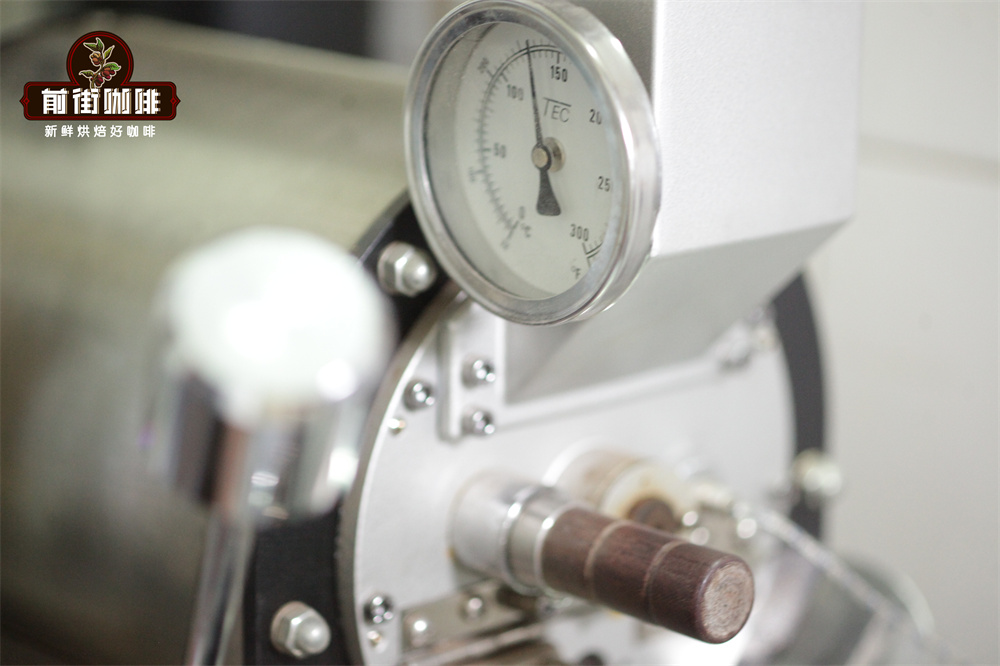
Why do coffee beans need to be roasted? Simply put, green beans themselves have not fully developed in flavor. It is only through the series of chemical reactions triggered by high temperatures during roasting that the beans release their aroma, acidity, sweetness, and body. These reactions mainly include the Maillard reaction and caramelization, both of which play crucial roles in shaping coffee flavor.
[Maillard Reaction] Begins around 150°C, when the coffee beans are still absorbing heat while continuously releasing it. This reaction involves the interaction between amino acids and reducing sugars in the beans, producing compounds such as melanoidins, which alter the coffee’s color, aroma, and mouthfeel. Melanoidins not only give coffee its attractive brown hue but also influence its body and overall structural feel. Even slight changes in the duration or temperature of the Maillard reaction can significantly alter the final flavor profile. For instance, a longer Maillard reaction time may enhance viscosity but could sacrifice acidity and fruity notes. This is why professional roasters meticulously adjust parameters at this stage to achieve the best balance.
[Caramelization Reaction] Begins around 170°C, where complex carbohydrates gradually break down into smaller sugar molecules, allowing the coffee to exhibit richer sweetness and aromas during extraction—such as caramel, nutty, and almond notes. This reaction continues throughout the later stages of roasting and is a key source of coffee’s sweet and fragrant qualities. Together, the Maillard and caramelization reactions make it clear that coffee flavor depends not only on the green beans themselves but is also deeply influenced by the chemical changes triggered during roasting.
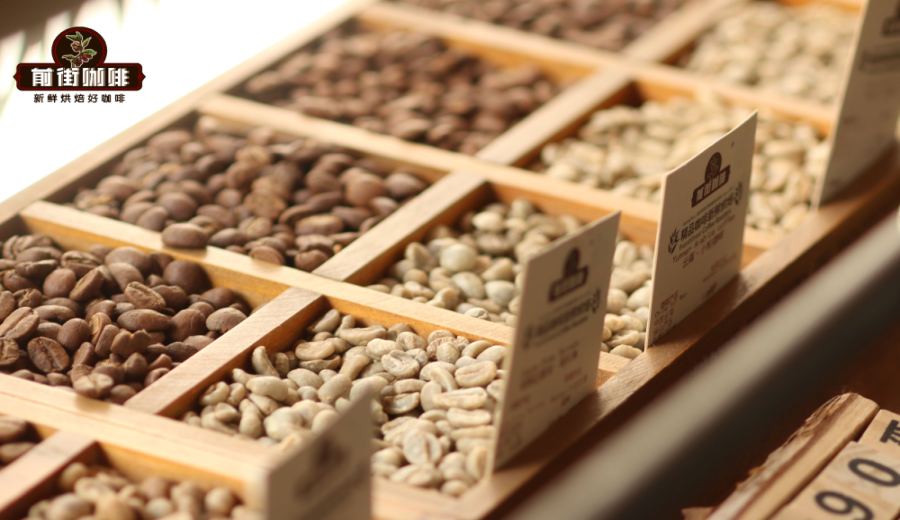
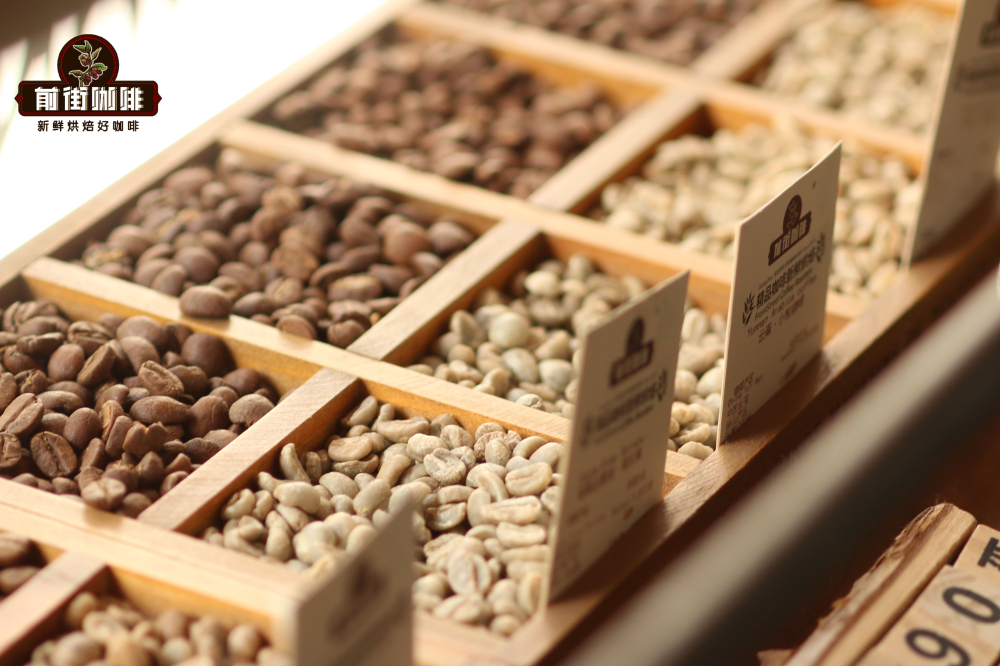
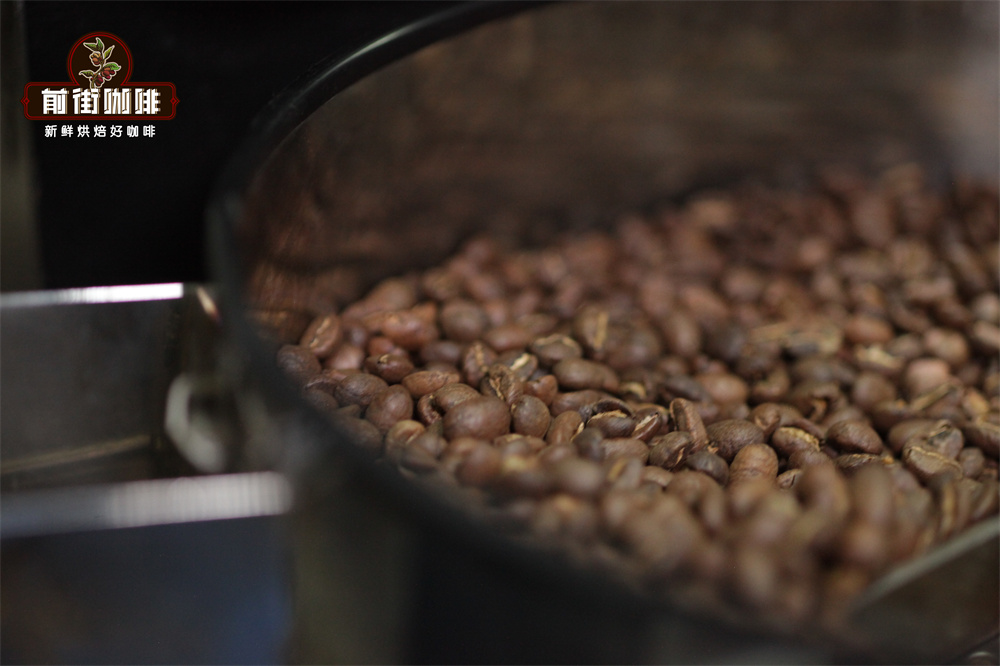
Based on roasting temperature and time, coffee can generally be divided into three main categories: light roast, medium roast, and dark roast, further subdivided into up to eight different levels—from Light Roast to Italian Roast—each with its own unique character. Generally speaking, light roast emphasizes acidity and fruity notes, making it ideal for showcasing regional characteristics; medium roast balances acidity, sweetness, and aroma, suitable for various brewing methods; dark roast is known for its intense body and smoky richness, especially well-suited for espresso preparation.
Light Roast (Light Roast / Cinnamon Roast)
Drop Time: Between the start of first crack and the onset of rolling first crack
Appearance & Flavor: The beans exhibit a cinnamon color tone, with pronounced acidity and fresh aroma, often carrying unique fermentation notes. Suitable for pour over or Americano, it highlights the bean’s original character. At this stage, grassy notes are significantly reduced, yet the green bean’s inherent freshness remains.
Medium Roast (Medium Roast / City Roast)
Drop Time: Between the onset of rolling first crack and the end of first crack
Appearance & Flavor: The bean surface turns chestnut-colored, with a more balanced mouthfeel, moderate acidity and bitterness, and a pleasant level of sweetness and aroma. Widely used for Americano or blends. This stage is the preferred balance point for most consumers, offering both flavor richness and smooth drinkability.
Medium-Dark / Dark Roast (Full City Roast / French Roast)
Drop Time: Around the start of second crack
Appearance & Flavor: The beans appear dark brown to black, with an oily surface, intense mouthfeel, noticeable bitterness, and strong roasty and caramel notes, suitable for espresso (Espresso). At this stage, the flavor becomes bold and full-bodied, with acidity almost disappearing, replaced by deep roasty richness and a thick body.
Different roast levels not only influence flavor direction but also provide clear guidance for brewing parameters. Below are practical bean recommendations and brewing suggestions tailored to different roast types:
Light Roast Recommendations
• Ethiopia Yirgacheffe Sun-Dried Red Cherry: Grown at altitudes of 1700–2200 meters, sun-dried processed, flavors include lemon, floral, and fermented wine notes, with a bright juice-like acidity, a vibrant acidity, and a honeyed sweetness in the aftertaste.
• Kenya AA Assaria: Altitude 1550–1750 meters, 72-hour washed process, known for its tomato and dark plum acidity and full body, clean with rich layers.
• Panama Geisha Flower Butterfly: 70% Gesha variety, washed processed, presents black tea, berry, and citrus notes, with moderate acidity and a soft aftertaste.
Brewing Suggestion: 15g coffee, 1:15 coffee-to-water ratio, 90°C water, medium-fine grind (78% through a #20 sieve), using a V60 dripper. Bloom 30g for 30 seconds, pour in stages to 225g total, about 2 minutes total brew time.
Medium Roast Recommendations
• Sumatra Mandheling Golden: Wet-hulled processed, with strong nutty and caramel aromas, prominent chocolate notes, balanced and full-bodied.
• Jamaica Blue Mountain No.1: Altitude 1310 meters, washed processed, gentle and clean taste, balanced acidity and bitterness, with a long-lasting fruity aftertaste.
• Brazil Cerrado Red Bourbon: Semi-washed processed, flavors dominated by nuts, chocolate, and sugarcane sweetness, typical Brazilian style.
Brewing Suggestion: 15g coffee, 1:15 coffee-to-water ratio, 86°C water, medium-coarse grind (75% through a #20 sieve), using a KONO dripper. Bloom 30g for 30 seconds, pour in stages to 225g total, about 2 minutes 10 seconds total brew time.
The above content is compiled by CoffeeHunters, a coffee news website.


