







Introduction:Both mocha and latte are popular coffee drinks in cafés, but they differ significantly in historical background, flavor characteristics, and preparation methods. This article starts from their origins, exploring how "mocha" evolved from the name of a Yemeni port into a chocolate-flavored coffee, and compares the recipes and preparation processes of hot mocha and latte to help you deeply understand the key differences and unique features of these two classic coffees.
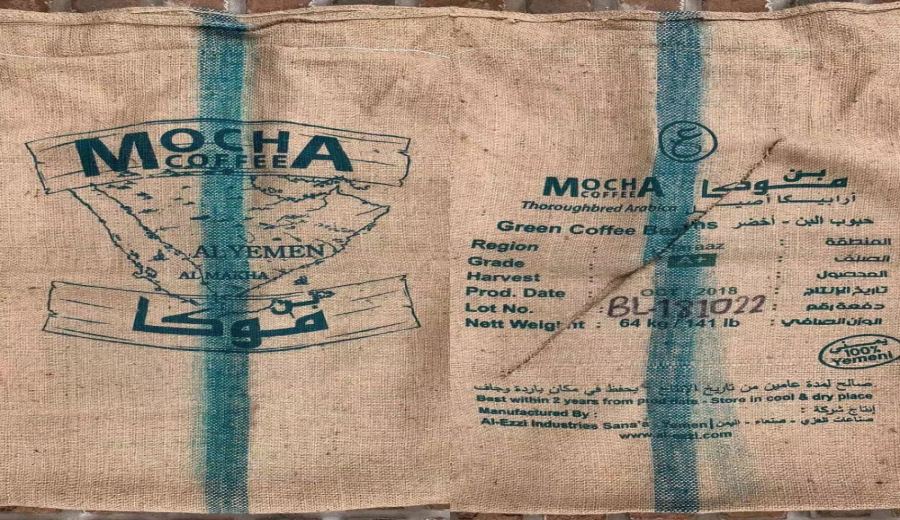
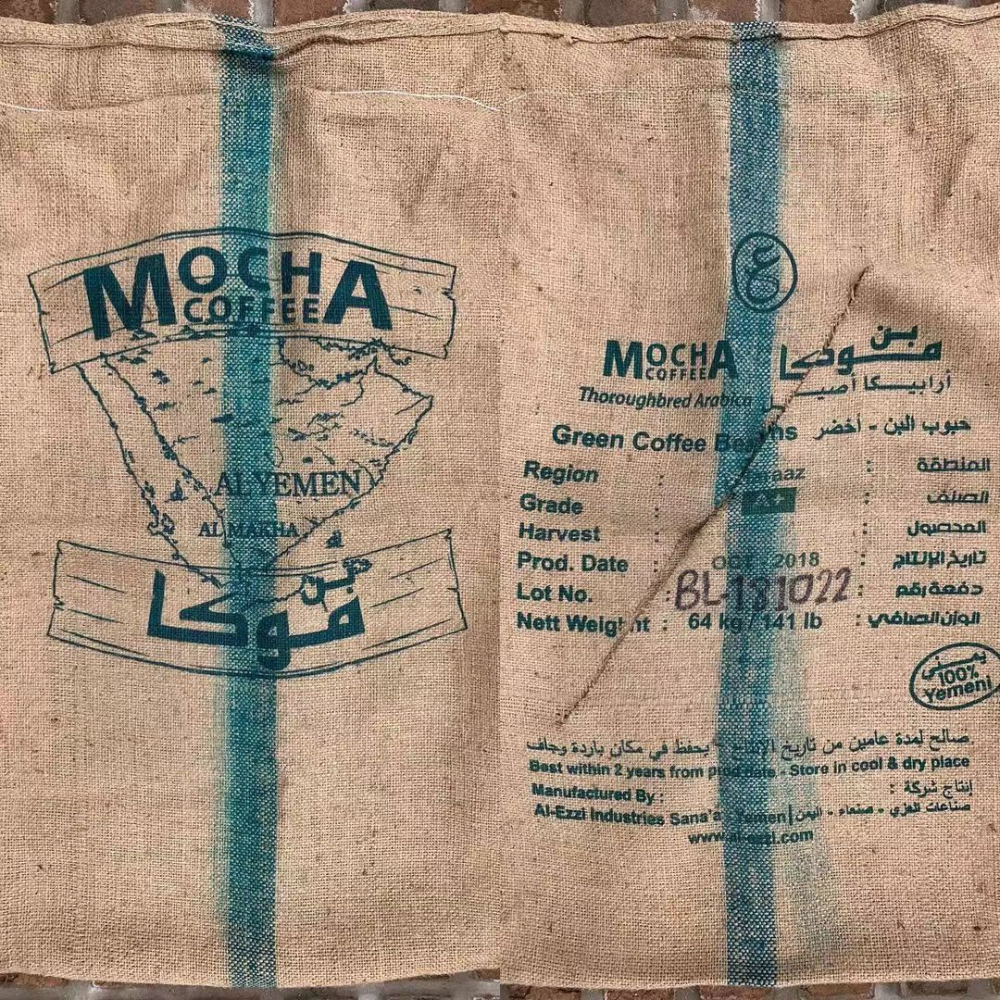
Among the many coffee beverages, mocha and latte are the two most beloved milk-based Italian-style coffees. However, they not only differ greatly in taste but also have notable distinctions in their historical roots and preparation methods. The term "mocha" originally comes from the port of Mocha in Yemen, which was an important hub for coffee trade—many coffee beans were exported from there, making "mocha" once synonymous with coffee. Over time, modern Italian-style mocha has evolved to include chocolate elements in a milk coffee, creating a uniquely sweet and rich flavor.
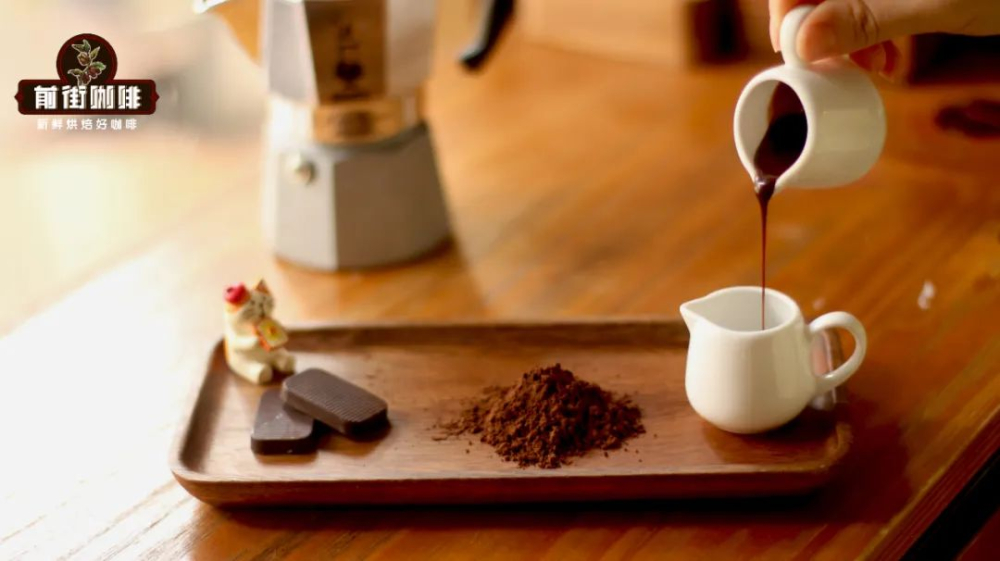
To make an authentic hot mocha, ingredient selection is key. The chocolate flavor can be delivered in various forms, including chocolate syrup, unsweetened pure cocoa powder, dark chocolate blocks, or even milk chocolate. Each material has its own characteristics: chocolate syrup is sweeter and easier to use, but can clump at low temperatures, potentially affecting blending; if using cocoa powder or dark chocolate, additional sugar is needed and it must be dissolved beforehand. It is generally recommended to use medium-to-dark roasted blends, such as those with nutty, caramel, or dark chocolate notes, which interact well with milk and chocolate.
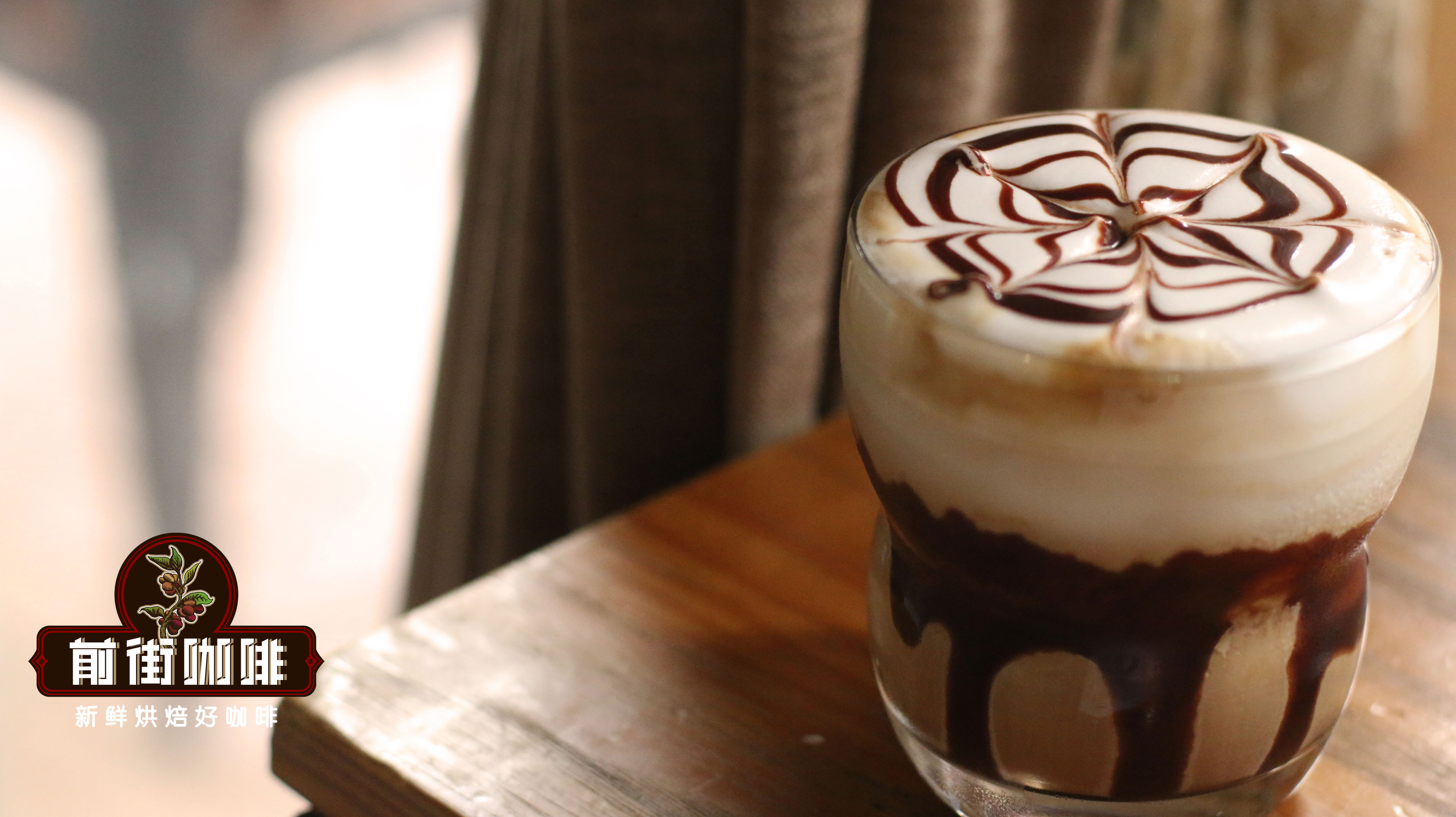
< A key step in making hot mocha is combining 20 grams of espresso with an appropriate amount of melted chocolate as the base. Then, the mixture is completed by integrating it with hot milk foam at around 50–55°C, finishing with latte art swirls and a sprinkle of cocoa powder or chocolate shavings. Optional additions like marshmallows or whipped cream can enhance texture according to personal preference. For cold drinks, an iced mocha consists of a double shot of espresso, chocolate syrup, fresh milk, and ice cubes. The ice cools the drink while the chocolate syrup boosts the flavor, resulting in a refreshing yet intense summer specialty.
In contrast, the preparation of a latte places more emphasis on the balance between milk and coffee. It uses a double shot of espresso as the base, paired with about 220 grams of hot milk. The milk foam should be fine and smooth, with the temperature controlled between 55–65°C. Hot milk is slowly poured into the espresso, and the drink is finished with latte art. The overall flavor highlights the aroma of milk, with both sweetness and intensity lower than that of a mocha, showcasing a purer beauty of the harmony between coffee and milk.
In summary, what sets mocha apart from latte is primarily the addition of chocolate—a key element that gives mocha a sweeter, richer flavor with distinct notes of cocoa and cream. On the other hand, latte focuses on the smoothness and fragrance of milk, making it ideal for those who prefer a lighter taste. Whether hot or iced, understanding the recipes and preparation details of these two classic coffees allows you to better appreciate their differences and charm when enjoying or making them yourself.
<

The above content is compiled by CoffeeHunters, a coffee news website.


