







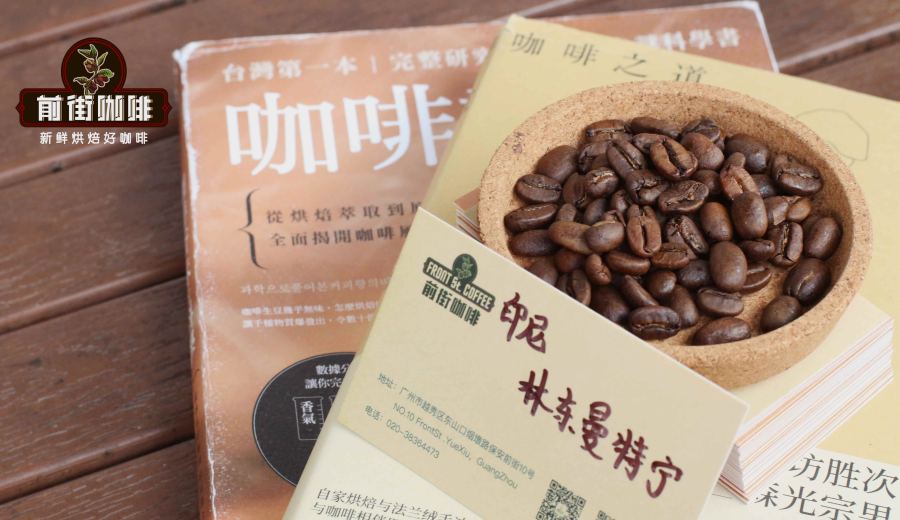
Introduction:Mandheling coffee is renowned for its rich, full-bodied flavor and distinctive herbal aroma, while Golden Mandheling is considered its premium version, with both price and quality elevated to a higher level. This article delves into the regional background, processing methods, and grading differences between the two, and introduces the unique qualities of Golden Mandheling produced by PWN. It also provides professional pour over recommendations and parameter settings to help you gain a deeper understanding of this classic Indonesian coffee.
Mandheling coffee is one of the most representative coffee varieties from Indonesia, known for its bold, full-bodied taste and unique herbal-like aroma. In comparison, Golden Mandheling is the top-tier grade among Mandheling coffees, not only offering a purer flavor profile but also commanding a higher price. So, what exactly are the specific differences between the two? Why does Golden Mandheling stand out? This article will analyze these aspects from the perspectives of origin, variety, processing method, and grading standards, and take an in-depth look at Golden Mandheling produced by PWN, giving you a comprehensive understanding of this classic coffee from green bean to cup.
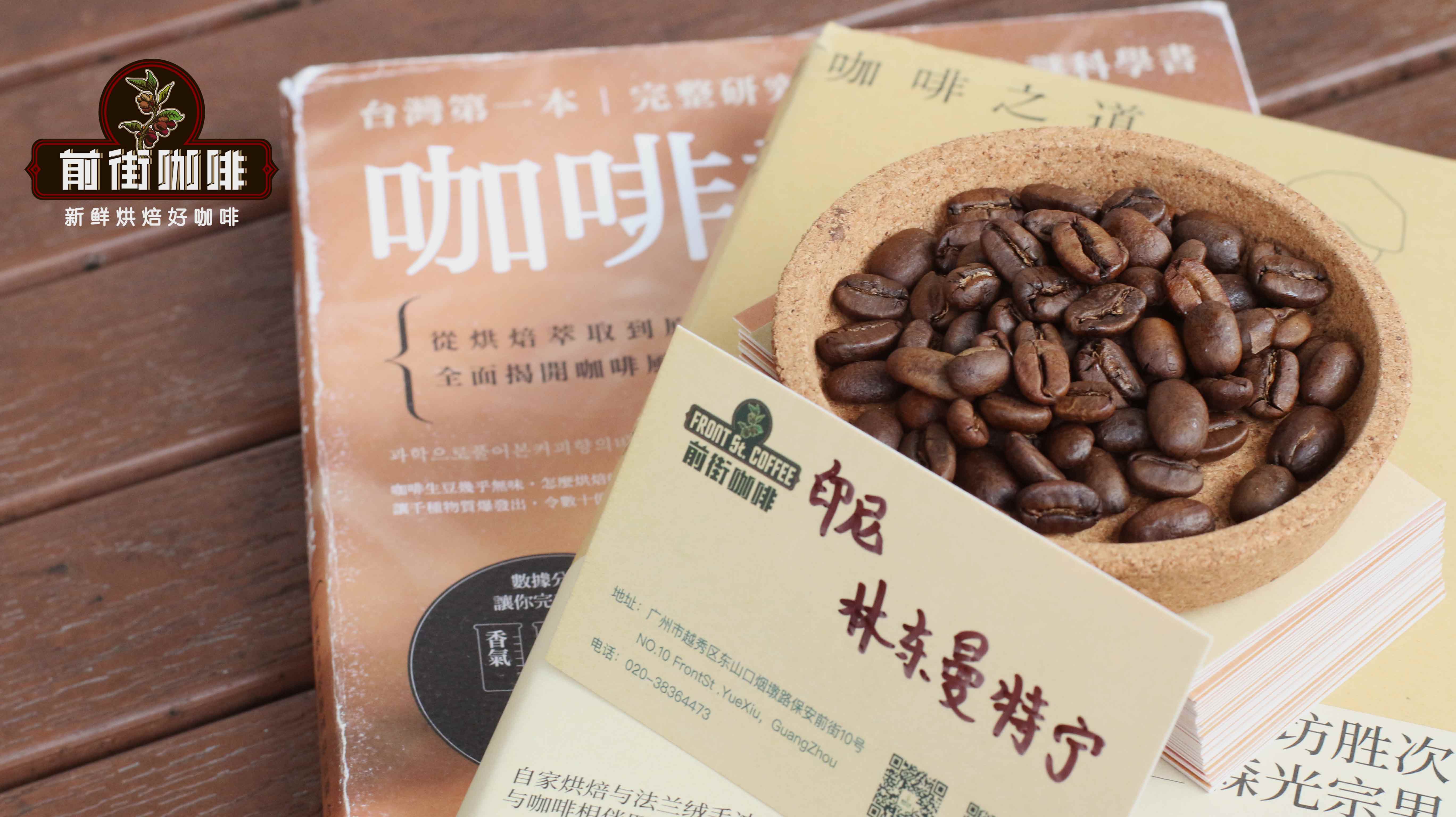
Mandheling coffee is primarily grown on the island of Sumatra in Indonesia, especially in the Lintong region. The fertile and nearly pollution-free soil here contributes to Mandheling’s characteristic round mouthfeel and low acidity. Its flavor typically features intense notes of chocolate, spices, and woodiness, with very low acidity and a syrupy body. It is particularly well-suited to dark roasting, which brings out rich caramel, woody, and cheese-like aromas, along with a long finish that has a layered complexity reminiscent of Bordeaux red wine. However, for first-time tasters, its bold flavor—sometimes accompanied by subtle earthy and herbal notes—may require some getting used to.
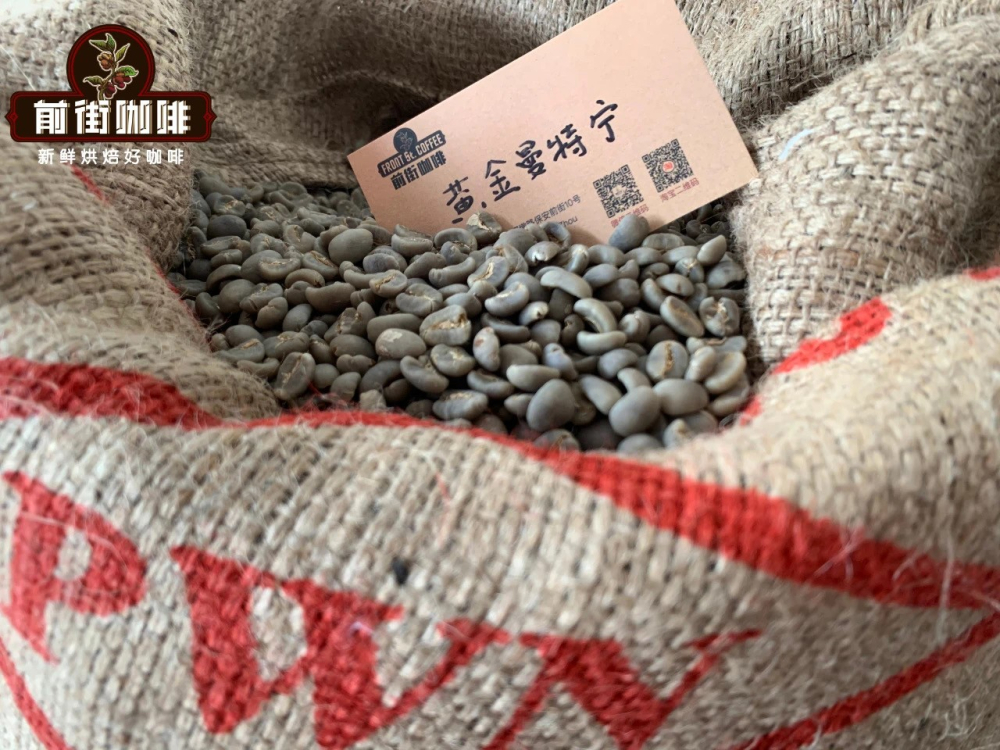
Golden Mandheling, on the other hand, is the premium grade within the Mandheling category, sourced from the northern Sumatran Lintong region, but with more rigorous harvesting and processing methods. Only hand-picked, fully ripe coffee cherries are selected, and a semi-washed (SEMI-WASHED) process is employed, combined with natural sun drying. After hulling, the beans undergo multiple drying and refining stages, including at least two rounds of green bean cleaning and four rounds of manual hand sorting to ensure the quality of each bean.
The company responsible for producing Golden Mandheling, PWN, is a well-known green bean trader in Indonesia. Since its establishment in 1957, it has been dedicated to the procurement and export of high-quality Mandheling coffee. Building upon Indonesia’s highest-grade G1 coffee, PWN performs an additional three rounds of manual hand sorting, significantly reducing the defect rate and ensuring each bean is uniform in appearance and free of impurities. The result is a clean, bright flavor profile with enhanced sweetness. This is also why many products on the market that claim to be "Golden Mandheling," despite looking similar, fail to replicate its uniquely pure flavor.
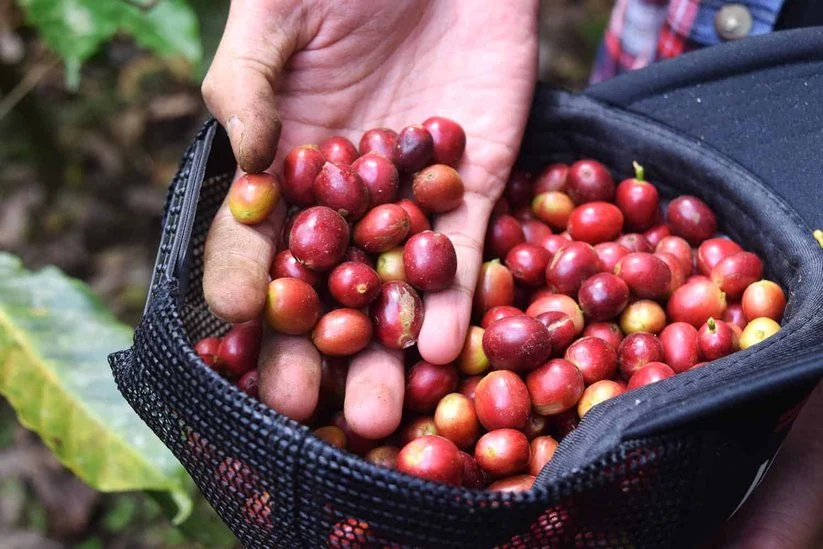
The cultivation area for Golden Mandheling is mainly located in the Gayo Mountains of Aceh Province in northern Sumatra, at an altitude of about 1100 to 1600 meters. This region, with its stable high-altitude environment and favorable soil and water conditions, produces coffee with a more delicate flavor. The main variety grown locally is Ateng, which is actually the local name for the Catimor coffee variety—a hybrid of Arabica and Robusta. Although its flavor profile is not as refined as pure Arabica, with proper processing and roasting, it can still exhibit a rich and layered character.
Due to Indonesia’s hot and humid climate and limited water resources, a unique processing method called “wet hulling” (Wet Hulling) has been developed, which is also the hallmark technique of Mandheling coffee. This method involves removing the outer parchment layer before the coffee beans are fully dry, accelerating the drying process. It also shapes the distinct low acidity, bold body, and unique woody and spicy aromas of Mandheling. Golden Mandheling also employs this traditional processing method, and through stricter screening and processing procedures, further enhances the purity of its flavor.
In terms of roast level, Mandheling is generally medium to dark roasted. This not only accentuates its inherent woody and spicy characteristics but also effectively masks some of the off-flavors that can result from the wet hulling method. Although some producers have recently experimented with medium-light roasting to highlight fruity and tea-like notes, medium to dark roasting is generally considered to better showcase the classic traits of Mandheling. Both the commonly sold Lintong Mandheling and PWN Golden Mandheling are medium to dark roasted to present their rich and balanced flavor profiles.
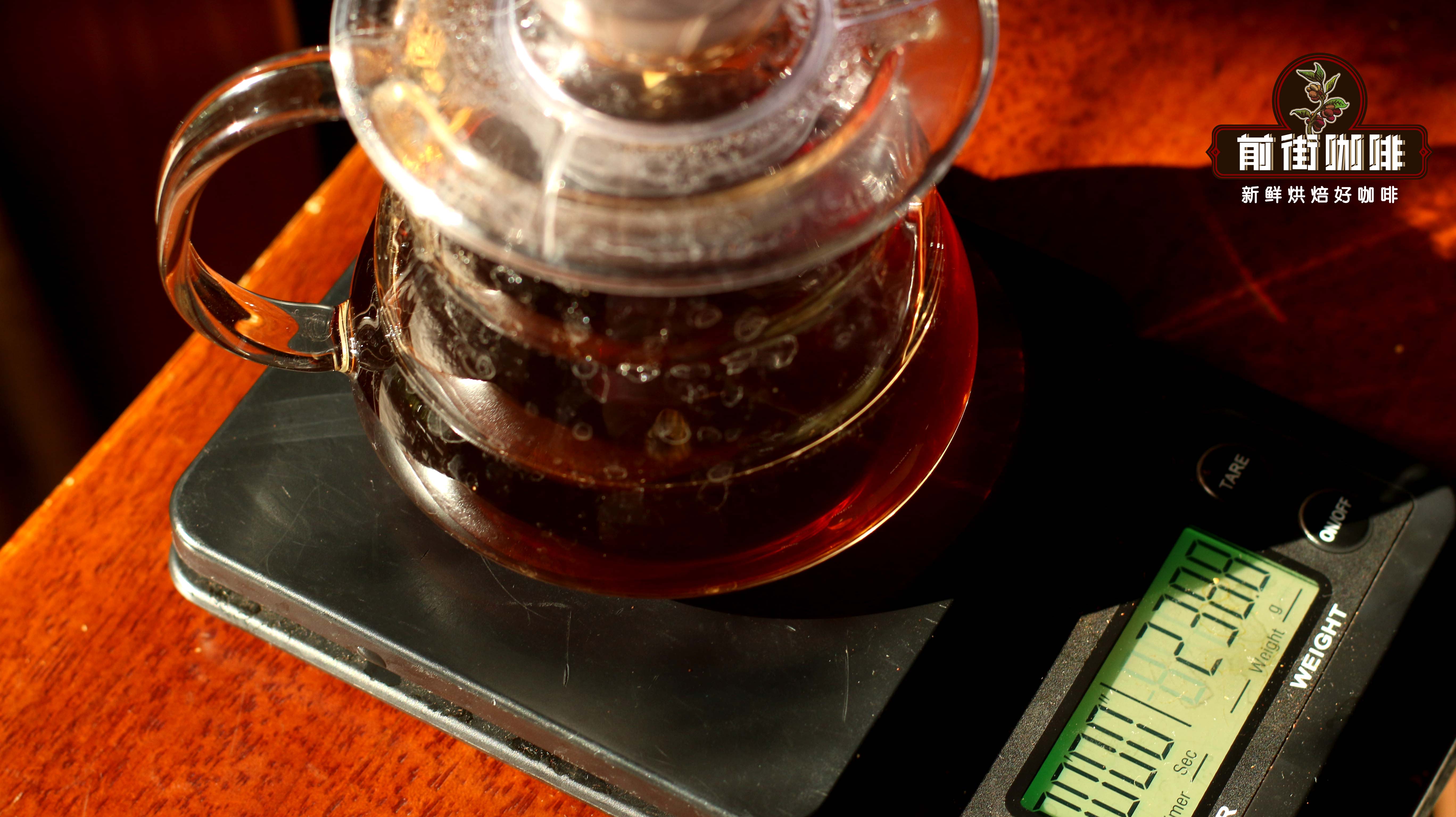
For brewing recommendations, Golden Mandheling, being a dark roast bean, is best brewed with a slightly lower water temperature to avoid over-extraction of undesirable flavors. It is recommended to use a Kono filter, as its structure extends the contact time between water and coffee grounds, aiding in the full extraction of its bold body. The specific pour over parameters are as follows: water temperature recommended88°C, coffee dosage15 grams, brew ratio1:15, grind size ismedium-fine (70% passing through a #20 sieve). Start the brew with 30 grams of water fora 30-second bloom, then pour in a small, circular motion until the total water reaches125 gramsfor the first pour, followed by pouring up to225 gramsto finish. The total brew time is approximately2 minutes. These parameters effectively bring out the nutty, caramel, and chocolate notes of Golden Mandheling, with a clean and lingering aftertaste.
In summary, the difference between Mandheling and Golden Mandheling lies not only in price, but also in overall quality control, processing details, and flavor expression. Thanks to its stricter selection process and refined handling, Golden Mandheling delivers a purer, more balanced, and layered flavor profile, making it a classic choice that coffee enthusiasts who love Indonesian coffee shouldn’t miss.
The above content is compiled by CoffeeHunters, a coffee news website.


