







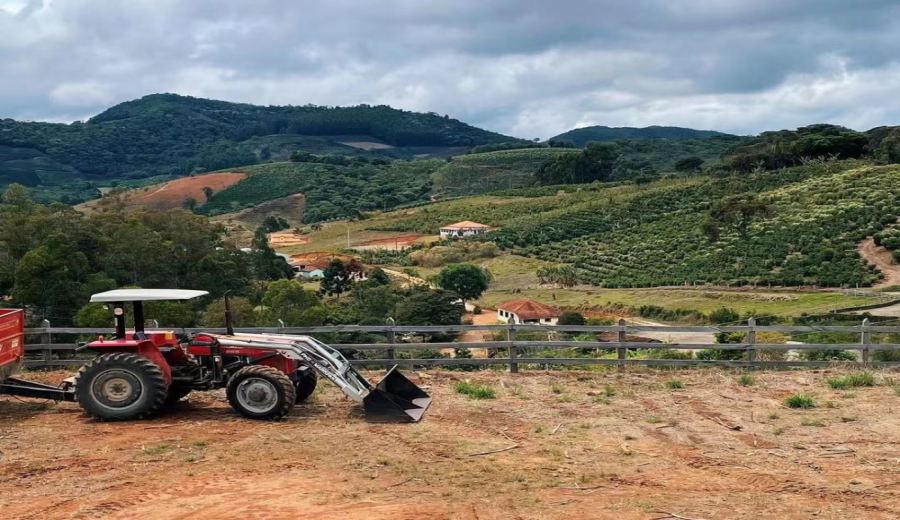
Introduction:As the world’s largest producer of Arabica coffee, Brazil is renowned for its beans’ rich and balanced flavors, making them ideal for both pour over and espresso preparation. This article delves into the characteristics of Brazil’s major specialty coffee regions, common processing methods, and offers practical pour over parameters and steps to help coffee enthusiasts master the brewing techniques of this classic bean and bring out its signature nutty and chocolatey charm.
Brazil is the world’s top producer of Arabica coffee and has long maintained its position as the global leader in coffee exports and production, earning it the title “Coffee Kingdom.” Located in eastern South America along the Atlantic coast, this country borders all other nations on the South American continent except Ecuador and Chile. Its unique geography provides an ideal tropical environment for coffee cultivation.
Approximately one-third of Brazil’s land area features a tropical rainforest climate, with the rest characterized by a tropical savanna climate. This diverse climate creates favorable growing conditions for cash crops such as coffee. Thanks to its vast suitable growing regions and long-term development, Brazil not only boasts high coffee output but also holds a significant place in the specialty coffee sector.
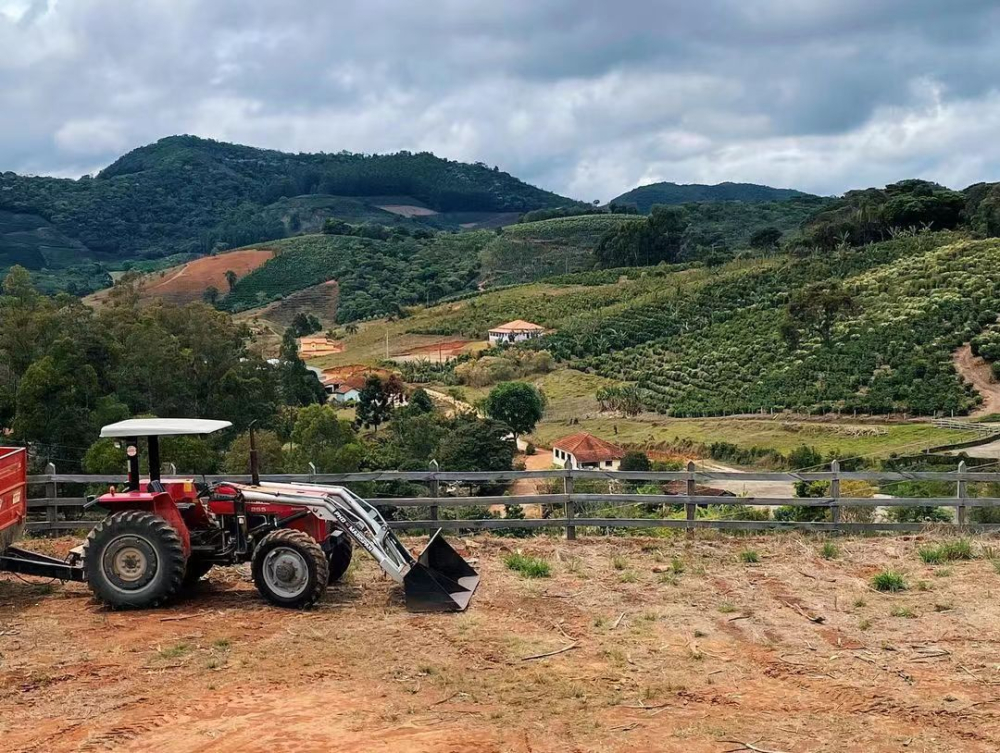
Compared to other Central and South American coffee-producing countries, Brazil’s terrain is predominantly flat, with less pronounced microclimate variation and fewer significant diurnal temperature fluctuations that could slow down coffee bean growth. As a result, Brazilian coffee typically exhibits lower acidity, with less distinct flavor layers compared to certain other regions. However, it commonly showcases rich notes of nuts, caramel, and chocolate. To highlight these traits, roasters often employ medium-to-dark roasts to deliver a balanced and full-bodied cup.
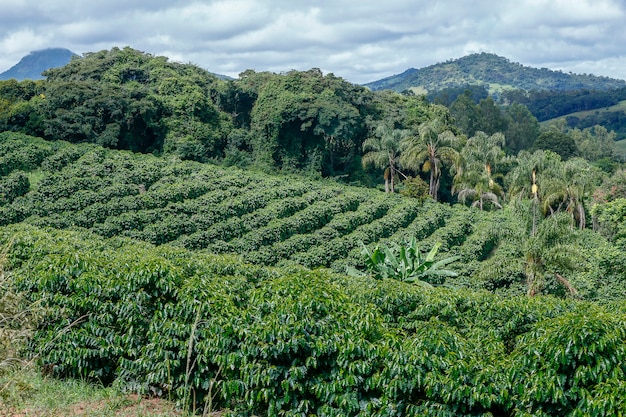
Brazil’s specialty coffee is mainly grown in the highland areas of the central and southern regions, including Mogiana and Centro-Oeste in São Paulo state, as well as Sul de Minas, Cerrado Mineiro, Chapada de Minas, and Matas de Minas in Minas Gerais state. These regions generally sit at elevations above 500 meters, with climatic conditions conducive to the cultivation of specialty-grade coffee.
Many single-origin and blended coffee beans from Brazil currently available on the market are sourced from these specialty-growing regions. For example, some red Bourbon beans grown at around 1,000 meters in the Cerrado region are celebrated for their outstanding sweetness, with flavors becoming even richer as altitude increases. Coffee from Cerrado often delivers notable nutty, caramel, or chocolatey sweetness, making it a popular choice among many roasters.
Another high-elevation offering comes from the 1,400-meter-altitude Fazenda Rainha (Queen Estate) in the Mogiana region. Managed by agricultural engineer José Renato G. Dias, the 280-hectare farm dedicates 200 hectares to cultivating the Yellow Bourbon variety. A mutation of Red Bourbon, Yellow Bourbon is known for its gentle acidity, low bitterness, and clean aftertaste, resulting in a bright and refreshing profile overall. As a result, Fazenda Rainha’s coffee boasts intense chocolate aromas and nutty flavors, with a smooth and delicate mouthfeel complemented by subtle sugarcane-like sweetness.
The processing method used for Brazilian coffee plays a crucial role in shaping its final flavor profile, and the semi-washed (pulped natural) method is predominant locally and widely adopted by producers. This approach involves first removing the coffee cherry’s skin and pulp, then controlling the fermentation level of the mucilage-covered beans. It sits between the traditional washed and natural processes but skips the “fermentation in water tanks followed by rinsing” step of the washed method, moving directly to sun drying.
The advantage of this method is that it allows for a second screening during the removal of skin and pulp to filter out unripe green cherries, ensuring consistent ripeness of the coffee fruit and thereby enhancing cleanliness and overall flavor balance. Compared to traditional natural processing, semi-washed coffee generally offers a cleaner and more consistent cup with lower risks of impurities or flavor inconsistencies.
To brew Brazilian coffee at home and capture its classic rich flavors, using freshly roasted beans is essential. It is generally recommended to use beans roasted no more than five days prior to brewing for optimal flavor expression.
To fully highlight the balanced characteristics of Brazilian coffee, a drip-style pour over method is recommended. Practical pour over parameters are as follows: use a Kono filter cone, maintain a water temperature of around 88°C, use approximately 15 grams of coffee grounds, set the coffee-to-water ratio at 1:15, and grind the beans to a medium-fine consistency (about 70–75% extraction through a Chinese standard No. 20 sieve).
The specific brewing steps can follow a three-stage extraction method: start with a 30-second bloom using 30 grams of water to activate the release of aromatic compounds from the coffee grounds; then pour water in small circles until the total reaches 125 grams for the first pour, wait briefly for the water level to drop, then continue pouring until the total reaches 225 grams; finally, remove the filter cone just before the water level fully drains through the coffee bed. The total extraction time should be kept within 2 minutes and 5 seconds to 2 minutes and 15 seconds to achieve a rich and layered flavor profile.
The above content is compiled by CoffeeHunters, a coffee news website.


