








Introduction:Kenyan coffee is renowned for its bright acidity and multi-layered flavors, making it a top choice for many pour over enthusiasts. This article delves into the distinctive characteristics of Kenyan coffee-growing regions, the unique flavor profiles of key varieties such as SL28 and SL34, provides a detailed explanation of the differences and grading logic among AA, AB, and PB grades, shares market wholesale prices and retail references, and outlines the steps and key parameters of the classic K72 washed processing method. All of this helps you gain a deeper understanding of the charm of this premium African coffee origin.
As one of the major coffee-producing regions in East Africa, Kenya has long been sought after by coffee lovers worldwide for its uniquely bright acidity and rich fruit tones. Its coffee beans are celebrated for their refined processing and clear grading system, particularly the AA, AB, and PB grades that draw the most market attention. This article will fully explore the price range, growing conditions, historical background, main variety traits, and the detailed grading system of Kenyan coffee, helping you understand what makes Kenyan coffee special—from selection to brewing.
Growing Environment and Climate: High Altitude Creates Exceptional Flavor
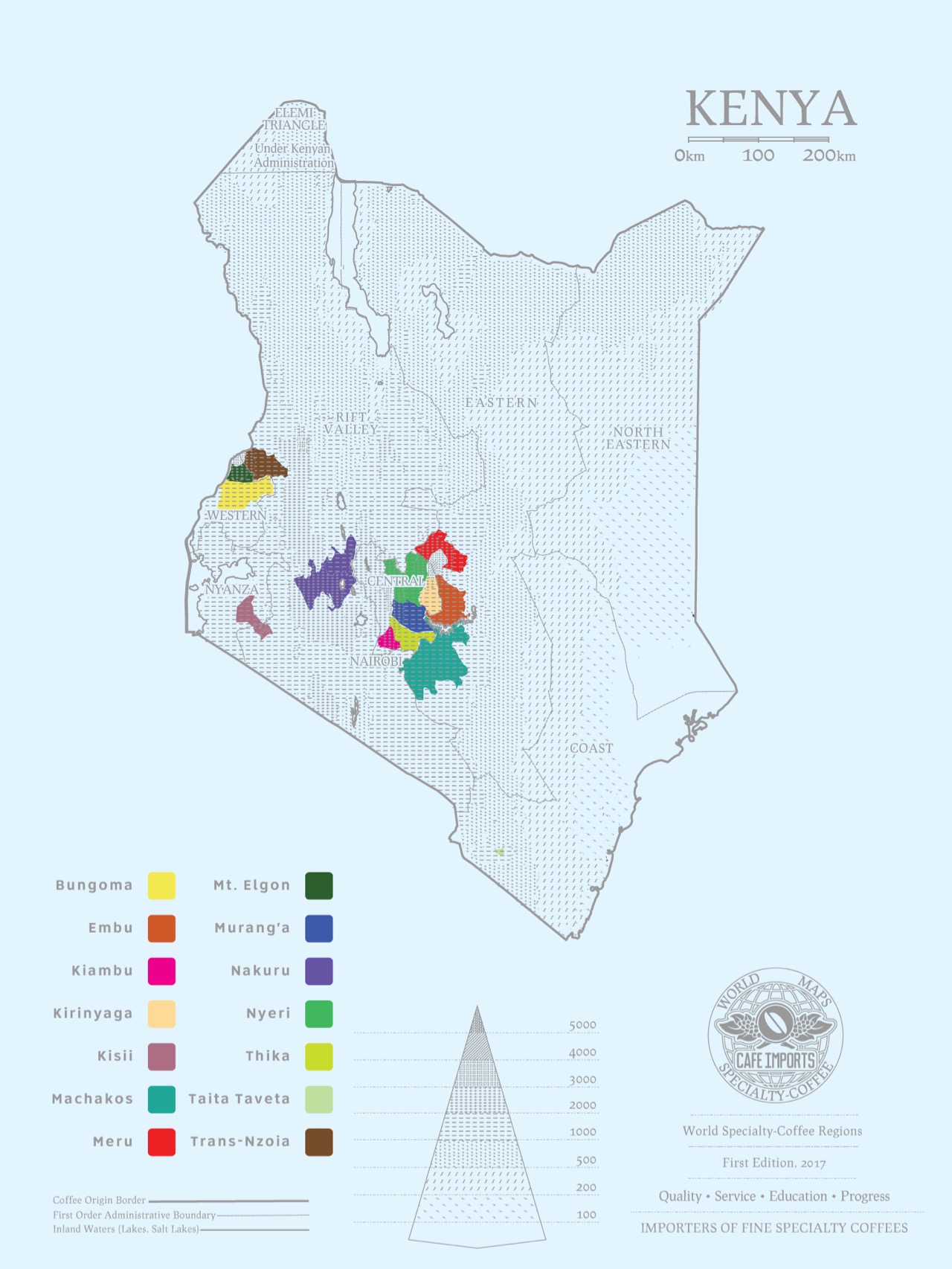
Located in East Africa, with the equator running through it, Kenya is mostly composed of plateau terrain, with an average altitude of 1,500 meters. The area around the capital Nairobi and the Kenyan highlands even ranges from 1,600 to 2,100 meters above sea level. Due to its tropical location combined with high altitude, the region experiences significant day-night temperature variations, slowing the growth rate of coffee and aiding in the accumulation of flavor compounds. This results in Kenyan coffee’s signature bright acidity and intense fruity aroma. The region has two rainy seasons each year: one from June to August (accounting for 40% of production) and another from October to December (60% of production), enabling two harvests per year and ensuring stable market supply.

Historical Background of Kenyan Coffee: From Colonial Planting to Auction Systems
The history of coffee cultivation in Kenya dates back to the late 19th century when it was introduced by the British. However, it wasn’t until the 1930s that the representative Bourbon lineage was brought in by the Scott Mission. After gaining independence in 1964, Kenya’s coffee industry continued to grow and established a unique auction system to protect the rights of smallholder farmers, laying the foundation for what would become “fair trade” coffee. Today, Kenyan coffee has become one of the most iconic origins in the global specialty market, with its systems and quality control serving as models for many other countries.
Key Varieties: SL28, SL34, and Other Genetic Treasures
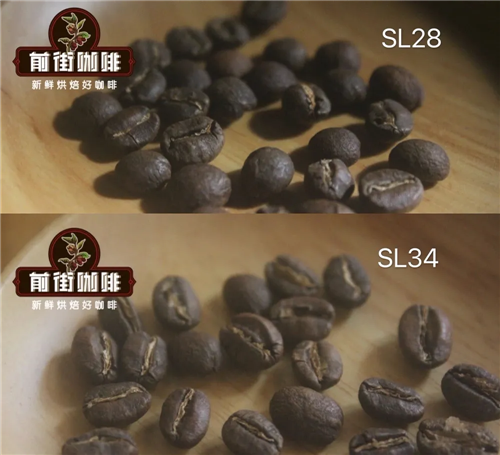
Kenya primarily grows Arabica varieties, among which SL28 and SL34 are the most famous. SL28 was introduced in 1931 by the Scott Laboratories from Tanganyika (now Tanzania) and cultivated in 1935. Its genetics belong to the Bourbon family, offering exceptional drought resistance and outstanding flavor potential. Especially in Kenya’s high-altitude environment, it showcases prominent citrus acidity, dark plum notes, and complex mouthfeel. As for SL34, it was selected by the Scott Agricultural Laboratories in the 1930s and is believed to originate from Bourbon varieties brought by French missionaries, featuring Typica genetic traits. It adapts well to high altitudes and heavy rainfall, with bright acidity and a full-bodied taste.
Market Prices and Retail References: Value from Wholesale to Consumer
In the green bean market, the wholesale price of Kenyan coffee generally ranges from 150 to 200 yuan per kilogram, with slight fluctuations depending on grade and origin. For retail, a Kenyan single-origin bean offered by a certain coffee brand is priced at approximately 98 yuan for 227 grams, making it a daily favorite among coffee enthusiasts who prefer fruity acidity. Whether brewed at home via pour over or enjoyed at a café, Kenyan coffee consistently delivers high quality and unique flavor.
Kenyan Coffee Grading System: The Fine Distinctions from AA to PB
Kenya’s coffee grading system, established in the 1930s, mainly classifies beans based on size, shape, and hardness. The grades, from highest to lowest, include: AA, AA+, AB, PB, C, E, TT, and T. Among them, AA (17–18 mesh, approximately 6.7–7.1 mm) is the most common and highly regarded grade, often labeled as AA TOP, indicating large bean size and strict screening. The AB grade (15–16 mesh, approximately 6.0–6.4 mm) consists of a mix of beans screened through A and B meshes, making up the majority of market circulation. PB (Peaberry, or small round beans), accounting for about 10% of total production, occurs when only one seed develops inside the coffee cherry, resulting in a round shape. These are often sorted and sold separately, with flavors frequently considered more concentrated.
Extended Grading: Market Practice of AA TOP and AB TOP
Beyond the official grades, non-official classifications commonly used by traders include AA TOP, AA+, AA++, AB+, AB TOP, and AA FAQ. These labels have no unified standards, and quality or flavor does not necessarily correlate with the number of “+” signs. Consumers and roasters are advised to rely on actual cupping results rather than grade names alone.
K72 Washed Processing Method: The Essence of Kenyan Coffee Processing
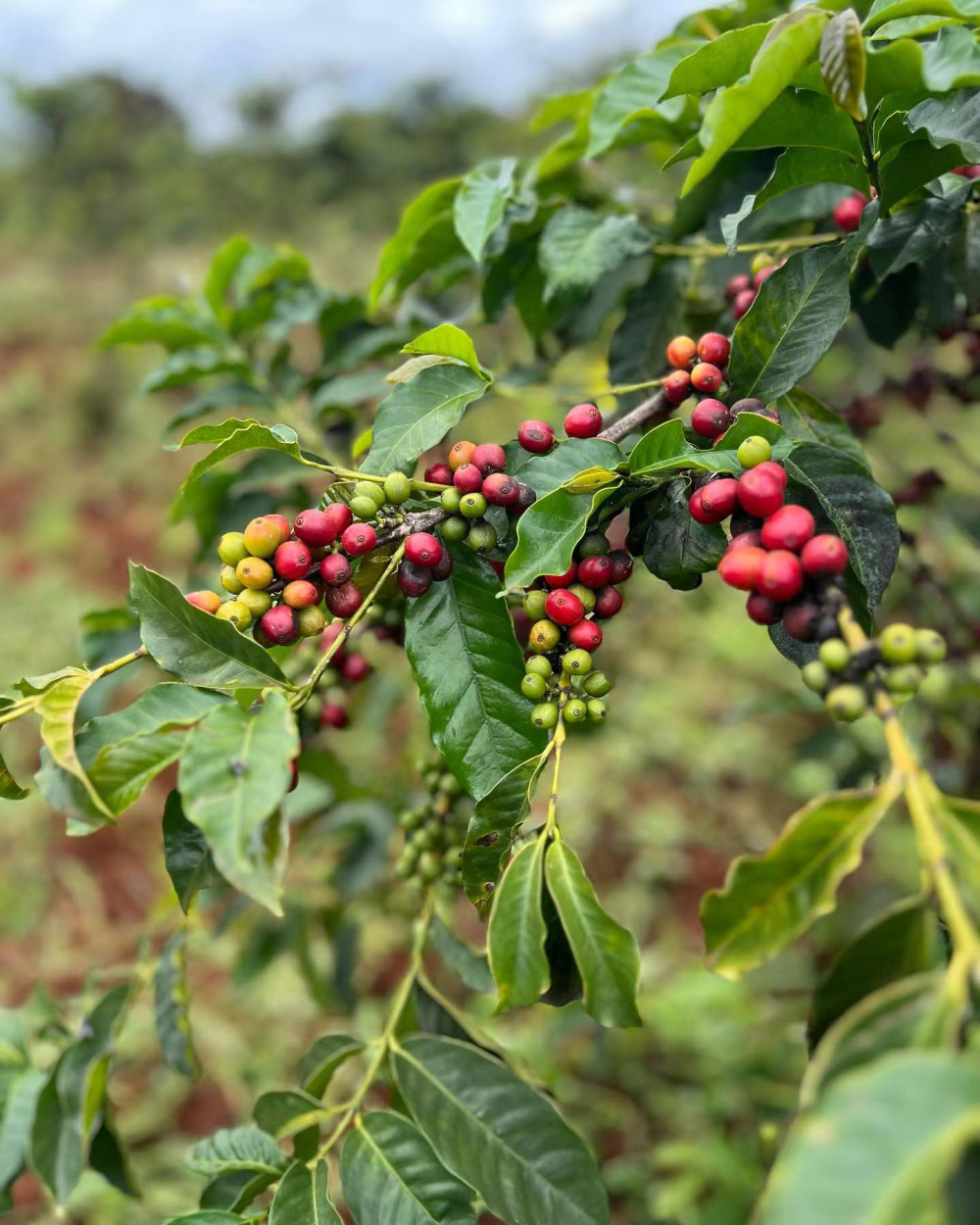
The most representative processing method in Kenya is the “K72 washed processing method,” which is characterized by dividing the fermentation process into three stages, each lasting 24 hours, totaling 72 hours. The process involves: removing the pulp for the first time followed by 24-hour fermentation, then washing with clean water; repeating the fermentation and washing steps. This extended fermentation enhances sweetness and layers of acidity. Finally, the beans are sun-dried on raised beds for about 5 to 10 days. This technique fully brings out the unique flavor profile of Kenyan coffee and is a key factor that sets it apart from other origins.
Flavor Profiles by Region: Diverse Characteristics from Thika to Muranga
Kenya has seven major coffee-growing regions, including Thika, Kirinyaga, Mt. Kenya West, Nyeri, Kiambu, Ruiru, and Muranga. Among these, the slopes of Mt. Kenya and the Aberdare Mountains are the core producing areas. Due to varying microclimates and soil conditions, coffee from different counties exhibits unique flavor characteristics—for example, Nyeri is often known for white grape, juicy, and grapefruit notes, while Embu presents a balanced flavor profile of citrus, chocolate, and apple.
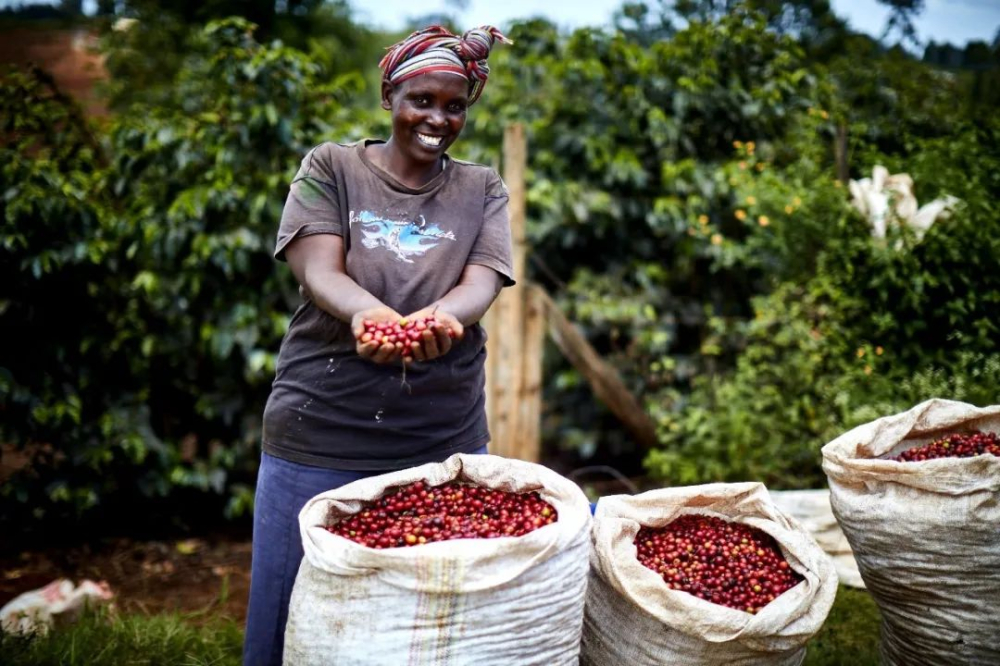
In summary, Kenyan coffee has earned its enduring status in the global specialty coffee market thanks to its rigorous grading system, high-altitude cultivation environment, unique variety genetics, and the classic K72 washed processing method. Whether you’re a beginner in pour over or a seasoned coffee enthusiast seeking fresh flavors, Kenyan coffee is definitely worth exploring and savoring.
The above content is compiled by CoffeeHunters, a coffee news website.


