








Introduction:Delve into the historical evolution and three classic types of espresso: Espresso, Ristretto, and Lungo. Master their extraction principles, coffee-to-water ratios, and flavor profiles. This article also provides practical brewing steps and parameter recommendations to help you progress from a beginner and understand the professional techniques and cultural essence behind this concentrated coffee.
Espresso can be considered the foundation of modern coffee beverages. Whether it’s American black coffee, lattes, or cappuccinos, they all originate from this small cup of rich coffee. To truly appreciate the charm of espresso, one must start by understanding its history, brewing principles, and the characteristics of its different types.
Tracing back to 1884, Italian Angelo Moriondo invented the first coffee machine with pressurized extraction capabilities, marking the birth of modern espresso. By 1948, Milanese barista Achille Gaggia further improved the design, using a lever mechanism to generate high pressure, successfully extracting the familiar Crema (coffee foam), significantly enhancing the taste and layering of espresso, and also establishing the standard image of today’s Espresso.

The word Espresso originates from Italian, literally meaning “fast,” because the entire process from making to enjoying usually takes just a few minutes. Its brewing principle involves using high-pressure steam to push hot water through a tightly packed coffee puck, extracting a small but highly concentrated amount of coffee in a short time (usually 20 to 30 seconds). A layer of golden, fine foam covers the surface — this is the Crema, which is also one of the key indicators for evaluating the quality of an espresso.
Traditional drip coffee takes over ten minutes to extract slowly, while espresso, through high pressure and high temperature, releases the essence of coffee in an extremely short time, resulting in a rich and layered flavor. However, espresso itself is rarely consumed alone as a final beverage but serves as the base for other coffee drinks such as lattes, cappuccinos, and flat whites.
Modern espresso roasting styles mostly lean towards dark roasts to bring out intense caramel, chocolate, and nutty aromas. Some blends even incorporate a certain proportion of Robusta beans to enhance the thickness and aroma intensity of the Crema. However, more and more coffee shops are beginning to experiment with medium-light roasts to highlight brighter fruit acidity and floral notes. For example, the “Sunflower Warm Sun Blend” combines fermented wine-like and berry characteristics, suitable for consumers who prefer a smoother taste.
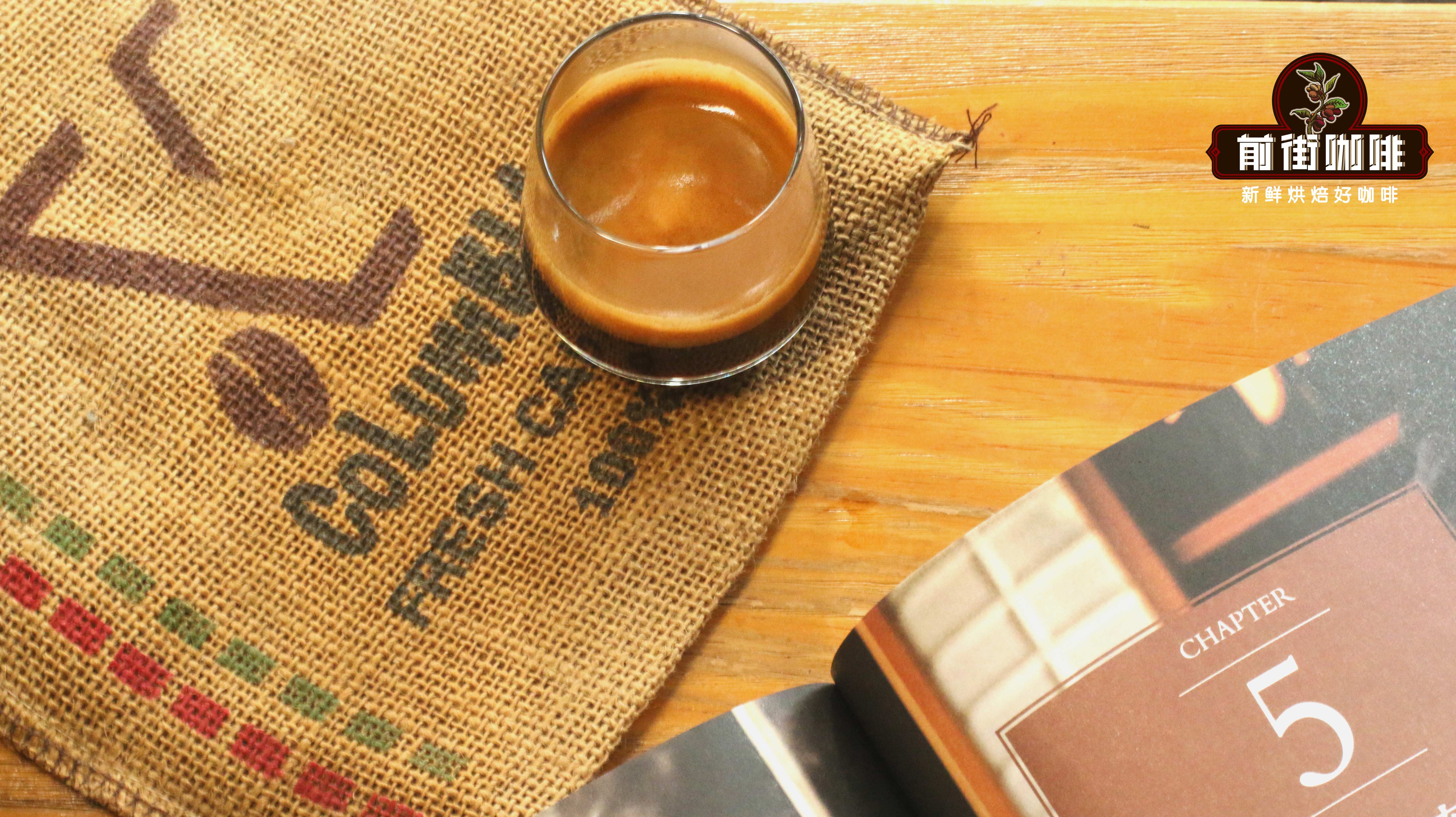
Depending on extraction time and coffee-to-water ratio, espresso is mainly divided into three types: Ristretto (short shot), Normale (standard), and Lungo (long shot). These three types all use the same high-pressure extraction method, but by adjusting the amount of coffee grounds, water volume, and time, they present distinctly different flavor profiles.
Ristretto, also known as “refined extra strong,” is the most concentrated of the three types. Its yield is usually only about 70% of a standard espresso, extracting less liquid with the same amount of coffee grounds, thus offering a more concentrated flavor. The acidity is less pronounced, but sweetness and body are more prominent. A common extraction ratio is between 1:1.5 and 1:2, for example, 20 grams of coffee grounds yielding 28 grams of coffee liquid, taking about 15 to 20 seconds. This extraction method is often used for making coffee drinks like Flat White that emphasize a strong flavor.
Normale refers to what we commonly call standard espresso, and it is also the regular offering in most coffee shops. It typically uses a 1:2 coffee-to-water ratio, such as 20 grams of coffee grounds yielding 40 grams of coffee liquid, with an extraction time of around 25 to 30 seconds. According to the “Golden Cup Standard,” the ideal extraction rate falls between 18% and 22%, with concentration maintained at 8% to 12%. Such a ratio balances the three tastes of acid, sweet, and bitter, showcasing the diverse flavors of the coffee itself.
Lungo, which means “long” in Italian, refers to using more water than Normale for extraction, typically with a coffee-to-water ratio of 1:3 to 1:5, such as 20 grams of coffee grounds yielding 100 grams of coffee liquid, and the time extended to over 40 seconds. This approach effectively reduces the intensity of the espresso, making the taste smoother and softer, but may also sacrifice some of the flavor’s vibrancy. It is suitable for those who are not accustomed to strong flavors or wish to enjoy coffee at a slower pace.
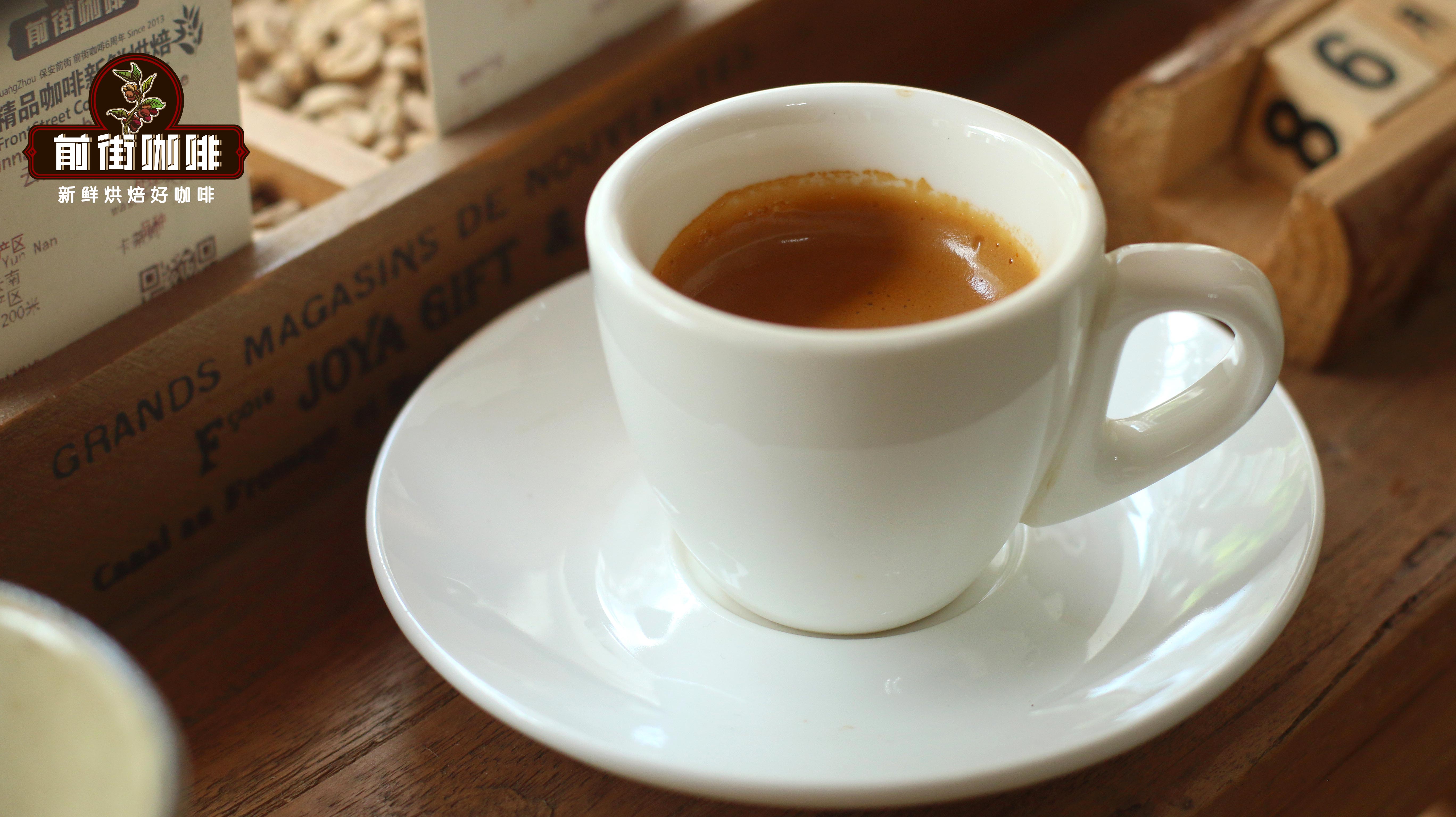
Taking the “Sunflower Warm Sun Blend” as an example, to brew a well-balanced standard espresso, it is recommended to use a double shot basket, controlling the coffee grounds between 18 to 20 grams, aiming to extract 40 grams of coffee liquid. The grind size should be slightly adjusted based on the bean’s freshness and roast level, but a medium-fine grind is generally recommended to ensure moderate flow rate.
Before extraction, thoroughly clean and dry the portafilter, evenly distribute the ground coffee, then apply downward pressure with the tamper to ensure consistent puck density, which is crucial for stable extraction. Next, run water for 1 to 2 seconds to wet the group head and remove any residual coffee grounds, then attach the portafilter to the machine and start the extraction.
Observe the extraction process. When the coffee liquid reaches 40 grams and the time falls between 28 to 30 seconds, you can stop the extraction. Note that environmental humidity, temperature, and the storage condition of the coffee beans can all affect extraction parameters, so it’s recommended to fine-tune the grind and coffee amount each time based on actual conditions to achieve the best flavor expression.
Finally, for a freshly brewed espresso, it’s recommended to pair it with a glass of water. Rinse your mouth before tasting to better perceive the coffee’s aroma and flavor layers. From the delicate texture of the Crema, to the roasty aroma, nutty and chocolatey notes upon entry, to the lingering hints of acidity and sweetness, every sip is a deep experience of Italian coffee craftsmanship.
The above content is compiled by CoffeeHunters, a coffee news website.


