







Introduction:Indonesian Mandheling coffee is renowned for its bold, rich body and low acidity, making it a classic choice for coffee enthusiasts exploring dark roast flavors. From the highlands of Sumatra's Lintong region to the elevated areas of Bali, each producing area imparts unique characteristics to the beans. This article delves into the distribution of Indonesia’s major coffee-growing regions, the background of the Mandheling variety, the secrets of the wet-hulling processing method, as well as the green bean grading system from G1 to G6. It also provides practical brewing parameters and flavor profiles to help you better understand this classic Southeast Asian coffee.
With its bold, full-bodied taste and low acidity, Mandheling coffee stands as one of the most representative types of Indonesian coffee. Whether it’s the deep chocolate notes of Sumatra’s Lintong highlands or the floral and fruity layers of Bali’s elevated regions, Indonesia’s diverse microclimates and volcanic soils cultivate distinct coffee flavors. This article will take you on an in-depth exploration of Indonesia’s coffee-growing regions, the origins of the Mandheling variety, the key impact of the wet-hulling process, and the green bean grading standards from G1 to G6, accompanied by expert brewing recommendations and flavor profiles to help you fully grasp the charm of this classic coffee.
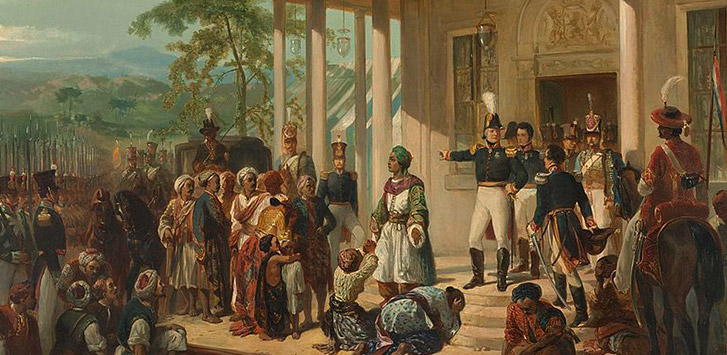
As one of the world’s major coffee-producing countries, Indonesia’s coffee cultivation history dates back to the late 17th century. In 1699, the Dutch East India Company (VOC) introduced Arabica coffee to Indonesia, initially experimenting with plantings around Batavia (now Jakarta), before gradually expanding to Java, Sumatra, Sulawesi, and Bali. By the 18th century, the VOC even monopolized global coffee trade—until the 1876 outbreak of coffee leaf rust severely damaged local Arabica plantations, paving the way for the rise of the disease-resistant Robusta variety. To this day, Robusta still accounts for over 80% of Indonesia’s total coffee production, primarily grown in the low-altitude regions of Java and Bali.
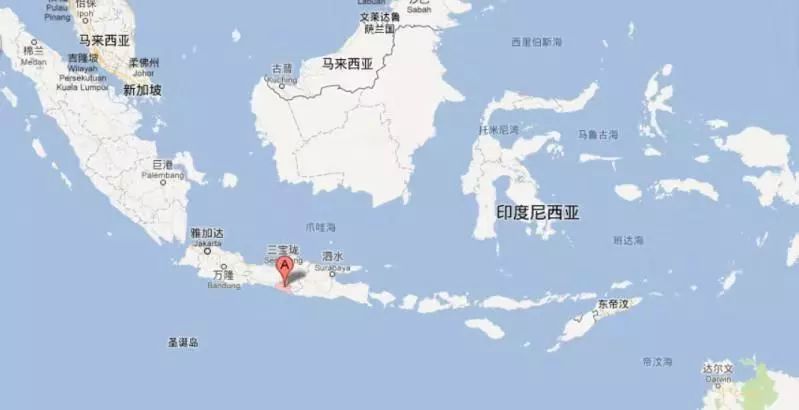
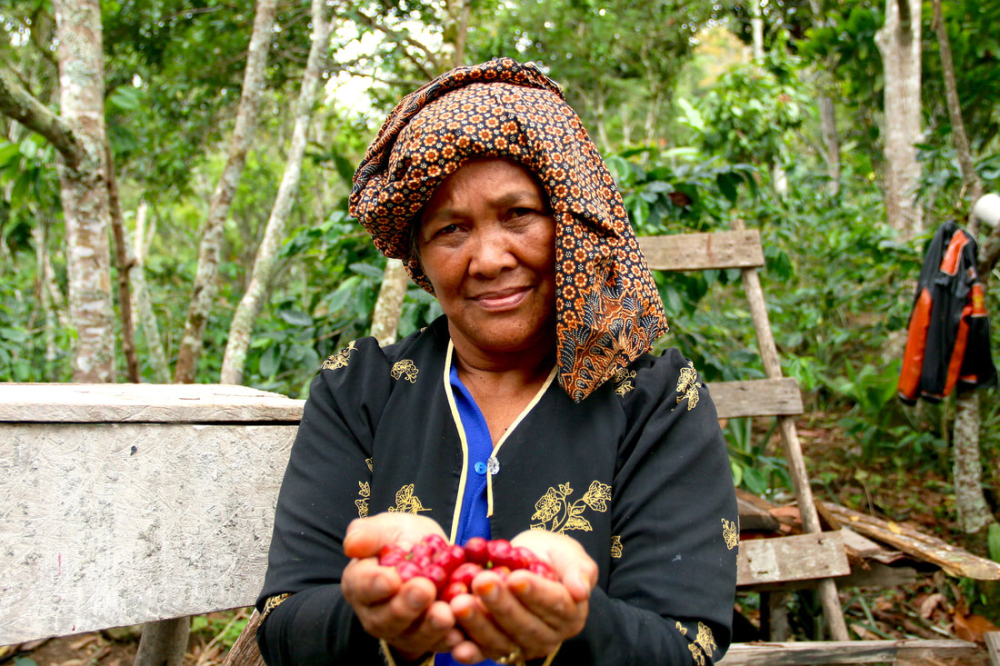
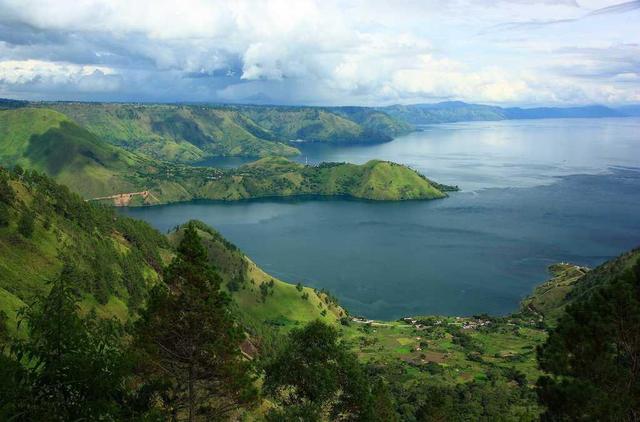
Composed of numerous islands with a predominantly mountainous terrain and a typical tropical rainforest climate—characterized by year-round high temperatures, humidity, and no distinct seasons—Indonesia’s geography is ideal for coffee cultivation. Among these, Sumatra, the world’s sixth-largest island, is not only a key coffee-producing region in Indonesia but also the birthplace of the term “Mandheling.” The island’s coffee-growing areas are mainly concentrated around Lake Toba in the Lintong highlands and the Lake Tawar region of Aceh. Among these, the Gayo highlands (elevations of 1,500–2,500 meters) are particularly renowned for their aged-tree Arabica varieties, often regarded as the benchmark for premium Mandheling.
Indonesian coffee has developed a unique quality grading system based on its producing regions and processing methods. Generally, grading is determined by the number of defective beans in a 300-gram green bean sample, supplemented by bean size and uniformity of appearance. Indonesia’s green bean grades range from G1 (highest) to G6 (lowest), with G1 representing top-tier beans with minimal defects and intact appearance, typically undergoing multiple rounds of manual sorting—ideal for specialty coffee. Additionally, due to Indonesia’s humid climate and limited sunlight, the “wet-hulling” (locally called *Giling Basah*) method is commonly used. This process significantly shortens drying time but can lead to surface pressure marks on the beans, creating the distinctive “elephant hoof” shape—an entirely normal trait, not indicative of defects.
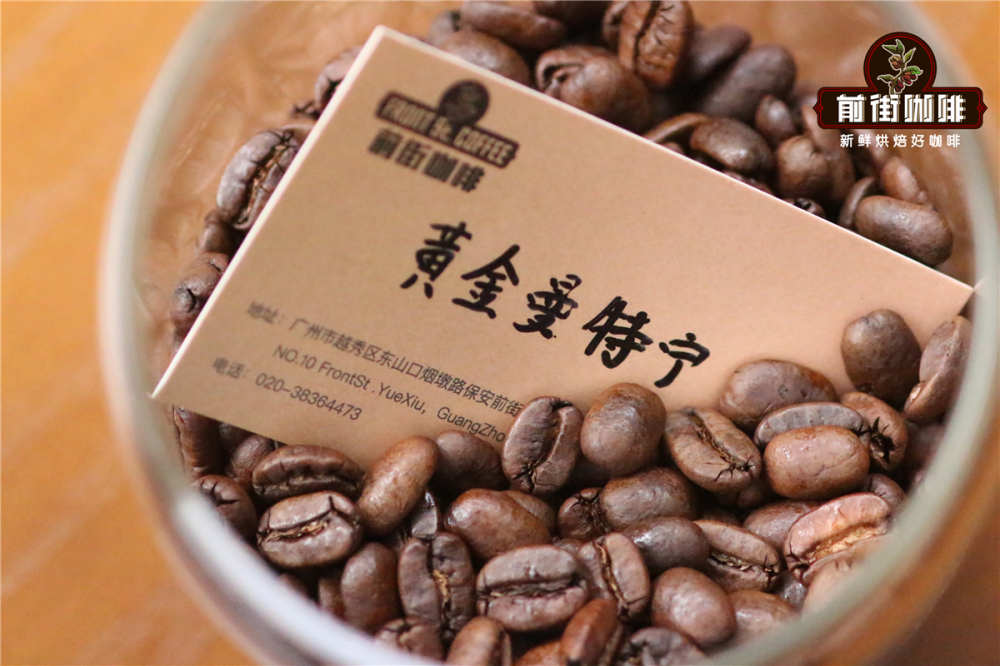
The term “Mandheling” is not a varietal name but a regional designation for Indonesian coffee, specifically referring to Arabica grown in Sumatra. Commonly cultivated varieties include TimTim (a Robusta-crossed Arabica, also known as Timor) and Ateng (a hybrid of Caturra and Timor, also called Catimor). These varieties, well-suited to high humidity and altitude, dominate local production. A certain well-known coffee brand’s “Lintong Mandheling” is mostly of the TimTim or Ateng variety, offering a bold, full-bodied flavor with herbal, chocolate, and nutty notes. In contrast, “PWN Golden Mandheling” is selected from G1-grade beans through three rounds of manual sorting and one mechanical screening, ensuring uniform bean appearance and extremely low defect rates. Its flavor profile is cleaner, often showcasing delicate layers of spice, caramel, and dark chocolate.
Wet-hulling is the essence of Indonesian coffee processing, particularly effective in the humid, rainy conditions of Sumatra and Sulawesi, where prolonged high humidity and limited sunlight pose challenges. The process generally involves: first using traditional washed methods to remove the fruit pulp while retaining the mucilage and parchment layer; then sun-drying the parchment-covered beans until moisture content drops to 30–50%; followed by parchment removal and continued sun-drying to reach the target moisture level. Because the beans remain semi-dry during processing, their outer parchment layer is fragile, and mechanical hulling can easily compress the bean surface, creating the characteristic “elephant hoof” cracks—a unique phenomenon of wet-hulling that does not affect flavor quality. Han Huai-zong once noted that this special processing method gives Mandheling its distinct cup profile: low acidity, full body, and a unique muted aroma, setting it apart from coffees of other regions.
For brewing and tasting, Mandheling coffee suits those who prefer a bold, intense cup. The KONO filter cone is recommended for pour-over brewing, as its unique curved design and reduced airflow help prolong extraction time, resulting in a smoother, richer flavor. A medium-to-dark roast is advised, paired with a 1:15 coffee-to-water ratio (e.g., 15 grams of coffee to 225 milliliters of water), with water temperature kept around 88°C. A three-stage extraction method is suggested: start with a 30-second bloom using twice the coffee’s weight in water (about 30 grams) to release CO₂; then pour in a slow, circular motion up to 125 grams for the first drawdown; continue pouring to 225 grams before stopping, and let the cone fully drain before removing. Total brew time should be about 2 minutes. These parameters balance Mandheling’s bold bitterness and sweetness with its delicate aromas, highlighting its layers of spice, nuts, and dark chocolate.
In summary, Indonesian Mandheling coffee carves out a unique niche in the global specialty coffee market thanks to its distinctive terroir, traditional processing techniques, and bold flavor profile. From the classic richness of Sumatra’s Lintong highlands to the bright floral-fruity notes of Bali’s elevated regions, and even the meticulously triple-sorted PWN Golden Mandheling, each iteration showcases the diverse potential of Indonesian coffee. Understanding its regional characteristics, varietal background, and grading system not only helps consumers choose beans that suit their taste preferences but also allows them to appreciate the deep heritage of this Southeast Asian classic.
The above content is compiled by CoffeeHunters, a coffee news website.


