







Introduction:The natural (sun-dried) processing method is one of the most traditional ways of processing green coffee beans, and it is still widely used in high-altitude regions such as Ethiopia. This article delves into the processing steps of the natural method, the ideal climatic conditions, and its typical flavor profile. Taking the natural red cherry Grade 1 from Yirgacheffe as an example, it takes you through the entire process — from origin selection, raised bed drying to final cupping — helping you understand how this craft shapes intense fruitiness and a rich mouthfeel, along with practical tips for identifying its unique flavors.
The natural processing method is one of the oldest and most traditional ways of processing green coffee beans and is still extensively used in well-known producing regions such as Ethiopia and Yemen to this day. This method relies on the sun to naturally dry the whole coffee cherry with its husk intact, allowing the sugars and flavor compounds in the pulp to fully penetrate the bean, thereby imparting a richer sweetness, fuller body, and complex fruity notes. However, due to greater environmental variability, the flavor stability of each batch can be more challenging to control.
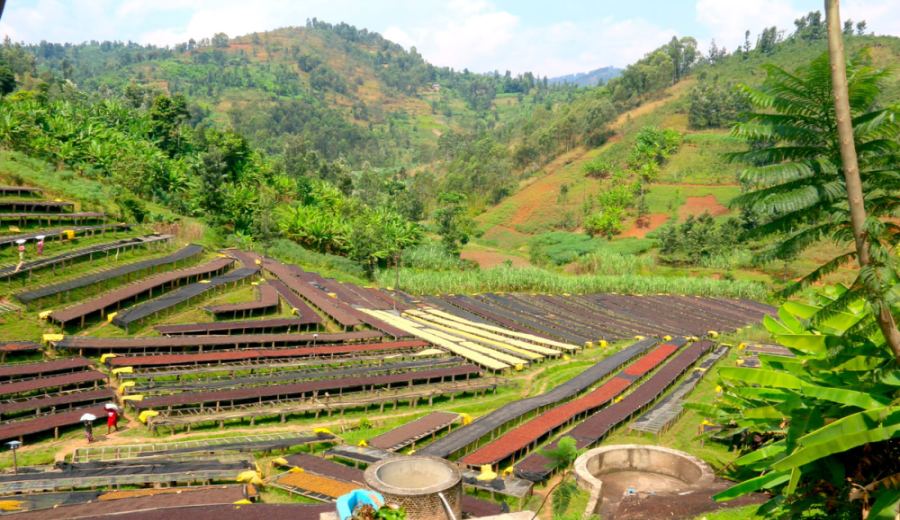
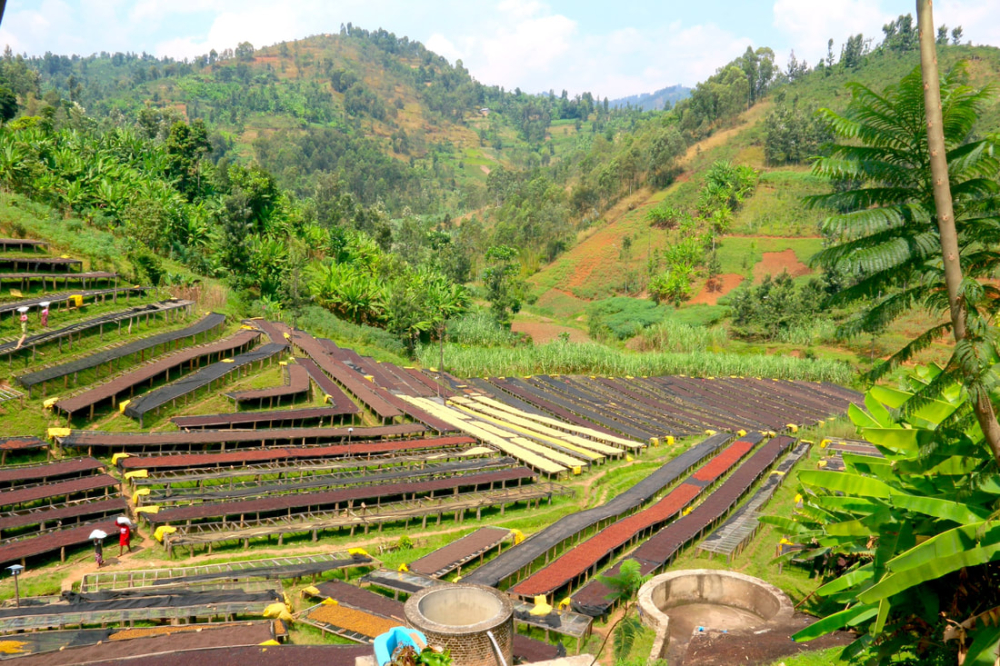
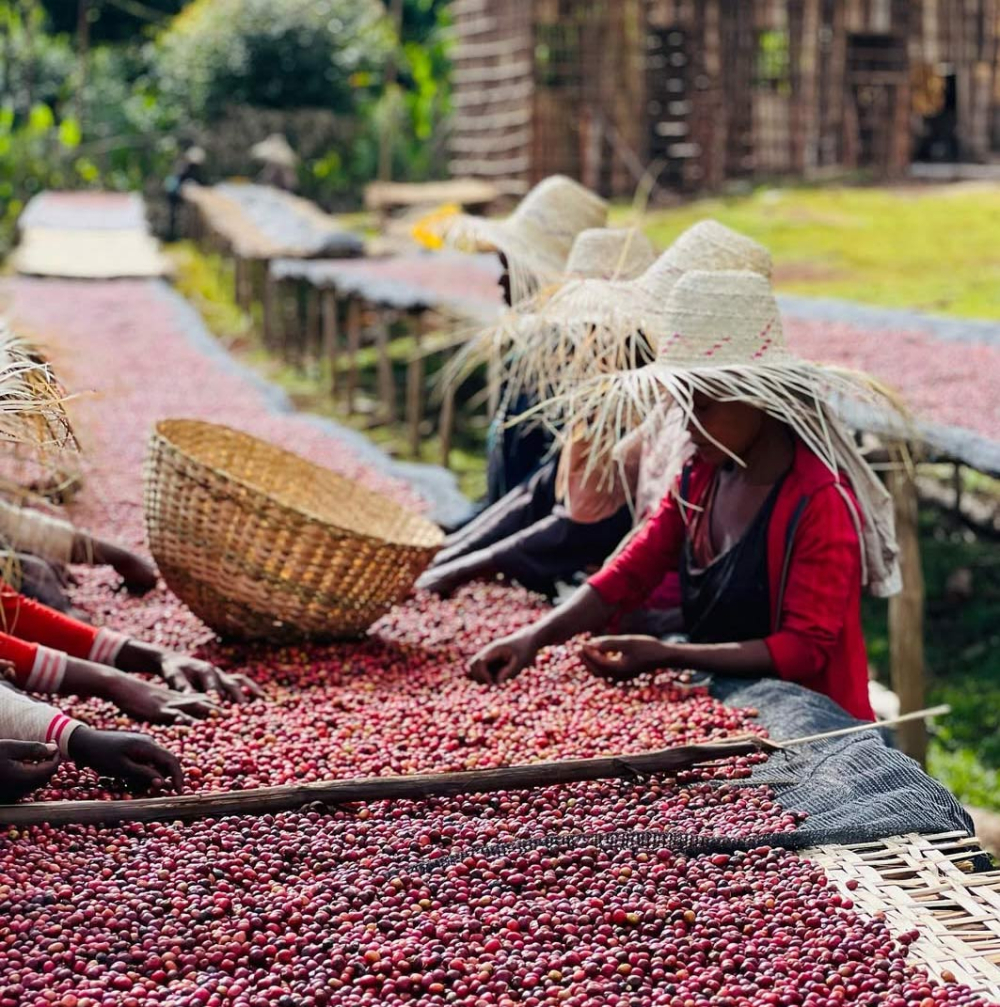
The natural processing method begins with the careful selection of ripe-enough coffee cherries. Typically, a water floatation process is first used to remove underripe or defective beans with lower density, keeping only those that sink to the bottom. These selected cherries are then evenly spread out on raised drying beds at the processing site and turned regularly according to weather conditions to ensure even exposure to heat. The entire drying process usually takes about two to four weeks until the moisture content of the beans drops to around 12%. Once dried, specialized machinery is used to remove the tough outer pulp and silver skin, leaving behind the green coffee beans for subsequent roasting.
Compared to the washed processing method, the natural method has stricter requirements for climatic conditions, especially the need for consecutive days of sunny and dry weather. If rainfall or high humidity occurs during the drying period, the beans can easily absorb moisture, leading to mold or off-flavors that severely impact the final quality. In addition, natural-process beans typically exhibit a yellowish hue in their raw state, and after roasting, the center cut often shows a distinct brown color, in contrast to the commonly seen white center cut of washed beans. Generally speaking, natural-process coffee beans tend to display a richer sweetness, lower acidity, and a heavier body, but due to their reliance on natural conditions, there can also be greater fluctuations in quality. This method, with fewer processing steps and lower costs, is not only widely used in Ethiopia and Yemen but is also commonly applied to Robusta coffee grown in Africa and Indonesia.
Taking the Grade 1 natural red cherry from the Yirgacheffe region of Ethiopia as an example, these green beans come from the well-known Konga Cooperative, which consists of approximately 650 to 700 smallholder coffee farmers. The farmers deliver their harvested ripe coffee cherries to the cooperative for centralized processing and sales. During processing, workers first select cherries that are intact and free of obvious defects, then place them on drying beds for sun drying. In the initial days, to avoid over-fermentation or localized overheating, the cherries are turned every 2 to 3 hours to ensure even heating and drying for each bean.
The entire natural drying process usually lasts about four to six weeks, during which close monitoring of weather changes and temperature fluctuations is required. Once the cherries are fully dried, workers use a pulper to remove the outer pulp layer based on actual conditions, and then the parchment beans are transported to places like Addis Ababa for storage. Notably, natural beans are mostly stored as parchment beans until just before export, when the final hulling is carried out. This practice helps maintain the stability and freshness of the green beans.
These Grade 1 Yirgacheffe natural red cherries have demonstrated excellent performance in terms of appearance consistency, dry aroma, and actual cupping flavors. Their flavor profile is based on a subtle fermented wine-like note, blended with the fresh tones of sweet citrus fruits, the tart-sweet layers of red berries, and the natural sweetness akin to honey. The finish carries a soft cocoa aftertaste along with delicate spicy nuances. In terms of mouthfeel, the body is full and persistent, making it suitable for coffee lovers who enjoy rich fruitiness and balanced acidity and sweetness.
Overall, this natural red cherry not only showcases the unique terroir characteristics of Ethiopia’s high-altitude growing regions but also highlights the inherent natural sweetness and complexity of the coffee fruit through the traditional natural processing method. If you’re interested in further exploring the flavor layers of pour over coffee, or want to understand how different processing methods affect brewing parameters and final flavor expression, this Grade 1 Yirgacheffe natural coffee bean is an unmissable tasting choice.
The above content is compiled by CoffeeHunters, a coffee news website.


