








Introduction:Mocha coffee is widely loved for its rich chocolate flavor and smooth texture, but many people often encounter issues such as insufficient chocolate taste or imbalanced sweetness when making it at home. This article delves into the key recipe elements of mocha coffee and teaches you how to achieve a balanced and layered mocha by skillfully combining unsweetened cocoa powder and chocolate syrup. Whether you prefer hot drinks or iced treats, you can follow the detailed steps to easily make a professional-grade mocha coffee.
With its intense chocolate aroma and robust texture, mocha coffee has long been a favorite among many coffee enthusiasts. However, many people attempting to make it at home often face problems such as the chocolate flavor not being prominent enough or the sweetness being too high, which masks the original taste of the coffee. This is often due to improper selection and pairing of chocolate syrup. Although store-bought chocolate syrup is convenient because it doesn’t require additional melting and can be used straight from the bottle, its relatively high sugar content can easily make the entire drink overly sweet and cloying, thereby weakening the layered complexity of the chocolate.
To address this issue, we recommend incorporating unsweetened cocoa powder into your mocha preparation. This ingredient not only significantly enhances the chocolate intensity of the drink but also adds richness and depth of flavor, all without any added sugar, helping you more precisely control the overall sweetness and create a more balanced taste experience. The following will detail the preparation process for both hot mocha and iced mocha versions, guiding you step-by-step—from the base espresso shot to milk frothing and blending techniques—to craft a professional-grade mocha coffee.

The mocha coffee we refer to today is actually a traditional Italian-style milk coffee with an added chocolate element, designed to mimic the unique chocolatey notes of beans from Yemen’s Mocha region. To allow the chocolate flavor to seamlessly integrate into the milk coffee, most cafes opt for using chocolate syrup due to its convenience—no need for extra melting, just ready to use. However, many people making it at home who use only chocolate syrup may find that the chocolate flavor isn’t pronounced enough or that the excessive sweetness puts them off.
In fact, store-bought chocolate syrup often contains a large amount of sugar to reduce its inherent bitterness, which causes the sugar and chocolate flavors to merge into one, making it impossible to adjust them separately. If you feel the chocolate flavor is insufficient and add more chocolate syrup, it will only cause the sweetness to spike further, ultimately disrupting the overall flavor balance. Therefore, if you want to make a cup of mocha at home that is flavorful, rich in chocolate yet not cloying, the key lies in skillfully combining chocolate syrup with unsweetened cocoa powder so that they complement each other and elevate the overall complexity.
How to make hot mocha coffee?
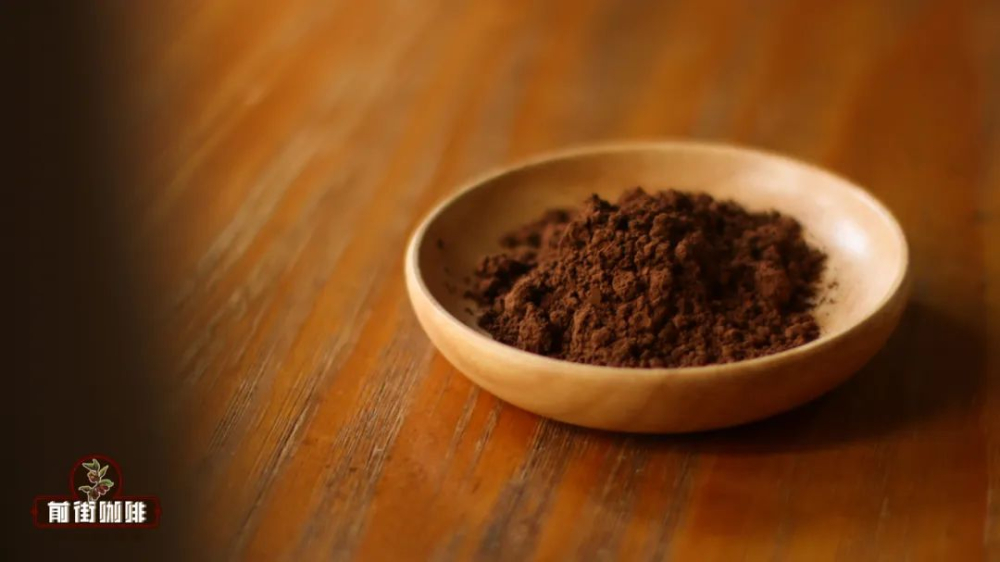
When making hot mocha, we recommend preparing the following materials: one coffee cup, a mixing cup or bowl (optional), a strainer (optional), one shot of espresso, an appropriate amount of milk, as well as chocolate syrup and unsweetened cocoa powder. First, let’s make the chocolate espresso base. In the mixing cup, add about15ml of chocolate syrup (e.g., Da Vinci brand)and5g of unsweetened cocoa powder (e.g., Valrhona brand). This ratio, tested in practice, provides a moderate level of sweetness and a rich chocolate flavor. If you prefer a slightly sweeter taste, you can increase the chocolate syrup to20ml.

Next, pour one shot of espresso directly into the mixing cup, using the heat of the coffee itself to help the chocolate syrup and cocoa powder melt and blend quickly. The recommended espresso extraction parameters are:19.8g of coffee grounds, extracting 38ml of liquid, over approximately 28 seconds. This extraction ensures the coffee has a rich and balanced flavor, which helps to highlight the aroma of the chocolate.
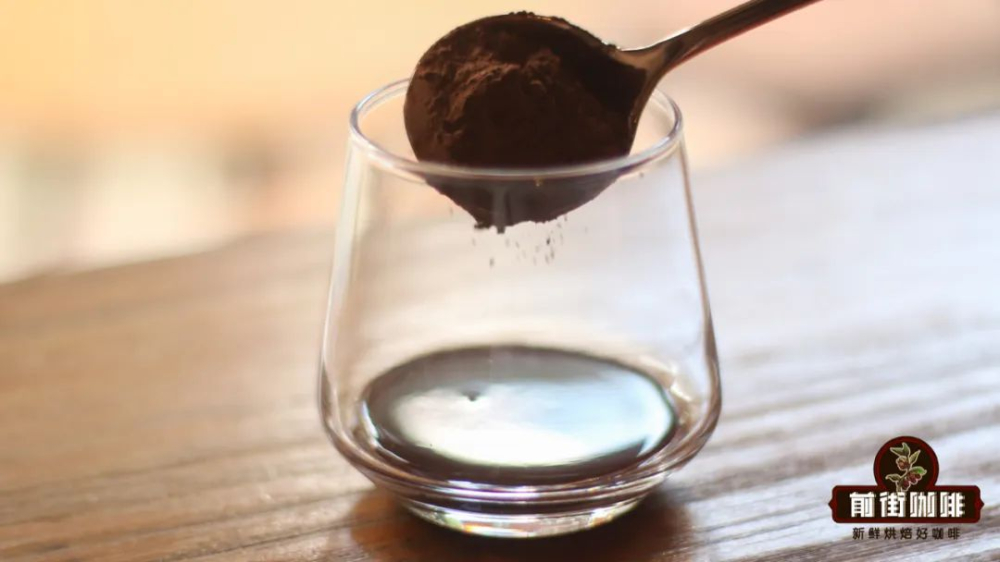
Once all the ingredients are mixed evenly, it’s recommended to use a strainer to filter out any undissolved cocoa powder to avoid lumps that could affect the texture. Though this step may seem simple, it can greatly enhance the smoothness and overall drinking experience of the beverage. If you don’t want to switch cups, you can also filter directly in the latte cup.
Next, you can lightly sprinkle a layer of cocoa powder on the surface of the chocolate base. This not only adds visual appeal but also releases more chocolate aroma. If you don’t have a sieve, you can skip this step.
Frothing the milk is one of the key factors affecting the texture of hot mocha. It is recommended to heat and froth the milk toaround 65°C, which can bring out the natural sweetness of lactose while producing fine microfoam, resulting in a creamier mouthfeel. The recommended ratio of milk to coffee base is1:4, specifically50ml of base to 200ml of milk. When frothing, pay attention to controlling the thickness of the foam, aiming for thin microfoam.
Finally, slowly pour the frothed milk into the chocolate base. If you intend to create latte art, note that the base is thicker and less fluid due to its concentration, so it is advisable to add a bit more milk to improve flowability, making it easier to pour beautiful designs. Once completed, you’ll have a hot mocha that is full of color, aroma, and flavor, with layers of chocolate and coffee intertwining, as intoxicating as a liqueur-filled chocolate.

How to make iced mocha coffee?
Compared to hot mocha, there are some different considerations when making iced mocha. Since adding ice cubes will dilute the overall concentration of the drink, we recommend increasing the amount of chocolate base to maintain flavor richness. Specifically, increase the chocolate syrup from15ml to 20ml, and raise the unsweetened cocoa powder from5g to 8g. This adjustment effectively compensates for the flavor loss caused by melting ice, ensuring each sip is filled with a strong chocolate aroma.
The base preparation process for iced mocha is the same as for hot mocha. Once the base is ready, you can begin assembling. It is recommended to first place about90g of ice cubesin the cup, then pour in160ml of milk, and finally drizzle the chocolate coffee base evenly on top. If you want a more visually appealing presentation, you can also coat the inner wall of the glass with a thin layer of chocolate syrup, which is not only aesthetically pleasing but also enhances the flavor.
Before enjoying, remember to stir thoroughly to fully combine the milk and chocolate base. If you want to add another layer of texture, consider topping it with whipped cream or a milk cap to make the iced mocha even richer and creamier. This way, whether you prefer a hot drink or an iced treat, you can easily enjoy a professional-grade mocha coffee at home, experiencing the perfect balance between chocolate and coffee.
The above content is compiled by CoffeeHunters, a coffee news website.


