







Introduction:Dive deep into the Red Honey SHB coffee beans from Finca Volcán Finca Fuego in Costa Rica—from their cultivation in high-altitude volcanic soils and strict brix control, to how honey processing influences flavor profiles. This article details the unique processing method, key parameters, and the dried fruit, honey, and vanilla tasting notes of this Catuai and Caturra hybrid bean. It’s an in-depth guide not to be missed by specialty pour over lovers and those who enjoy rich, sweet flavors.
Located in the Central Valley of Costa Rica, nestled around the Poás volcano, Finca Fuego is one of the first organic coffee producers in Central and South America to deeply explore honey and natural processing methods. Situated on fertile volcanic hillsides, the farm ensures optimal sugar accumulation and ripeness by harvesting only when the coffee cherries reach a brix level of 21–22, thanks to precise sugar management.
These SHB (Strictly Hard Bean) grade Red Honey processed beans are made from the locally common and high-altitude adaptable Caturra and Catuai varieties, with a bean size of 18 mesh, grown at elevations between 1,300 and 1,500 meters. Such altitude and microclimate contribute to a richly layered flavor profile, often showcasing pronounced notes of dried fruit, vanilla, and honey, along with a delicate yet full-bodied mouthfeel and a sweet finish that never turns cloying.
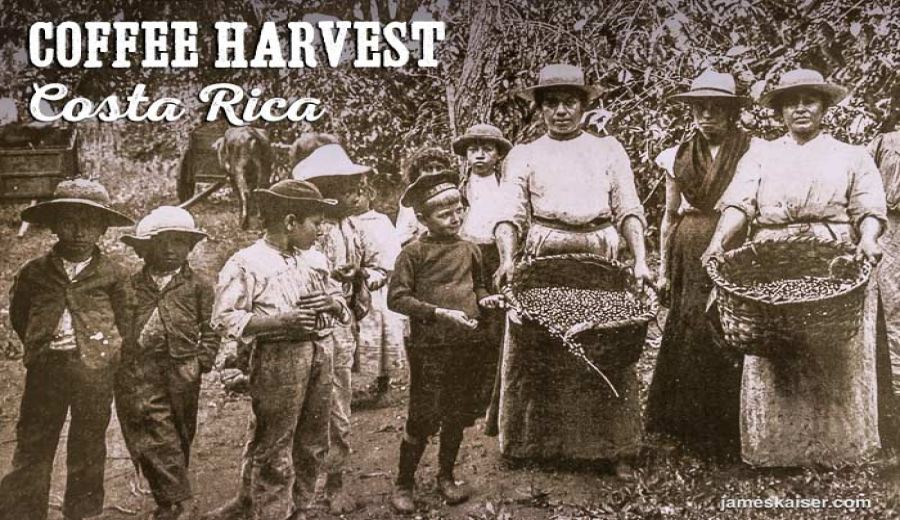
The Central Valley region of Costa Rica receives up to 3,000 mm of rainfall annually, with the main harvest season running from December to February each year. At Finca Fuego, the harvest stage incorporates a brix meter—similar to those used in the wine industry—to scientifically determine the optimal picking time for coffee cherries. While common market fruits typically measure around 14 for apples, 12 for lemons, and 18 for passion fruit, Finca Fuego’s coffee cherries consistently reach 21–22, indicating their exceptionally high ripeness and sugar content. This forms a crucial foundation for the bold and sweet flavor intensity of their honey processed coffees.
Finca Fuego has long adhered to 100% organic farming, driven not only by respect for the ecological environment but also by a commitment to family health. Despite the challenges of organic cultivation in terms of technique and management, the farm refuses to use chemical fertilizers or pesticides. Instead, it produces its own organic fertilizer through vermicomposting (worm composting), and even collects rainwater for coffee processing—demonstrating a comprehensive approach to sustainable agriculture.
Honey processing lies between traditional washed and natural methods. Its defining feature is the removal of the coffee cherry’s outer skin and pulp, while retaining some or all of the mucilage, followed by sun drying. This approach maintains the clean flavor profile of washed processing while significantly enhancing sweetness and caramel tones due to the high sugar content of the mucilage, resulting in a rounder, more layered final cup.
Depending on the amount of mucilage retained, honey processing is generally divided into three levels: Yellow Honey (around 20% mucilage retained), Red Honey (around 50%), and Black Honey (almost 100% retained). The Red Honey beans from Finca Fuego introduced in this article fall into the middle category, typically requiring 2 to 3 weeks of drying time. During this period, drying intensity is adjusted according to weather conditions, and shade nets may sometimes be used to reduce direct sunlight, preventing over-fermentation or overly intense flavors. Moderate shading helps balance the dried fruit, honey, and vanilla notes, while also imparting a richer mouthfeel and longer aftertaste to the beans.
Honey processing originated in Costa Rica, initially adopted by farmers in high-altitude areas with water scarcity. After removing the coffee pulp, they directly sun-dried the beans with their mucilage still intact. They unexpectedly discovered that this method could bring out richer sweetness and complexity. Today, this technique has become an important processing option in many specialty coffee regions, especially appealing to consumers seeking depth of flavor and balanced sweetness.
For coffee enthusiasts keen on exploring different processing methods, the Red Honey beans from Finca Fuego in Costa Rica are an exceptional classic choice. If you prefer intense fruity and berry notes, you might also explore higher mucilage retention products such as Black Honey processed beans. If you’re drawn to soft floral notes and high sweetness, try the estate’s Raisin Honey series, which offers an enchanting interplay of pineapple, osmanthus, and dried fruit layers.
In summary, the Red Honey SHB coffee beans from Finca Fuego in Costa Rica deliver a complex flavor profile of dried fruit, vanilla, honey, and refined tropical fruits—thanks to their high-altitude cultivation, carefully selected sweetness, organic sustainable management, and classic honey processing. With a rich, oily mouthfeel and a lingering sweet finish, these beans are a must-explore and savor for both pour over lovers and coffee professionals alike.
The above content is compiled by CoffeeHunters, a coffee news website.


