








Introduction:Indonesian Mandheling is renowned for its rich and bold flavors, making it a classic favorite among many pour over enthusiasts. This article delves into the history of Indonesia’s coffee-growing regions and the origins of the name “Mandheling.” It introduces four well-known bean varieties including PWN Golden Mandheling, Tiger Mandheling, Aged Mandheling, and Lintong Mandheling, detailing their regional characteristics, processing methods, and flavor profiles. Practical pour over parameters are also provided to help you master optimal extraction techniques and bring out the layered herbal, earthy, and sweet notes of Mandheling.
Mandheling can be considered the soul representative of Indonesian coffee and one of the classic flavor profiles beloved by global pour over aficionados. If you’re looking for a coffee with a bold taste and distinctive character, Mandheling is definitely worth exploring in depth. This article not only reviews the planting and trading history of Indonesian coffee, but also analyzes the interesting anecdotes behind the name “Mandheling,” while providing detailed introductions to four widely praised Mandheling coffee beans on the market, covering their producing regions, varieties, altitudes, processing methods, and unique flavor expressions. Finally, practical pour over recommendations are offered to help you get started easily and enjoy a rich, sweet-aftertaste Mandheling cup.
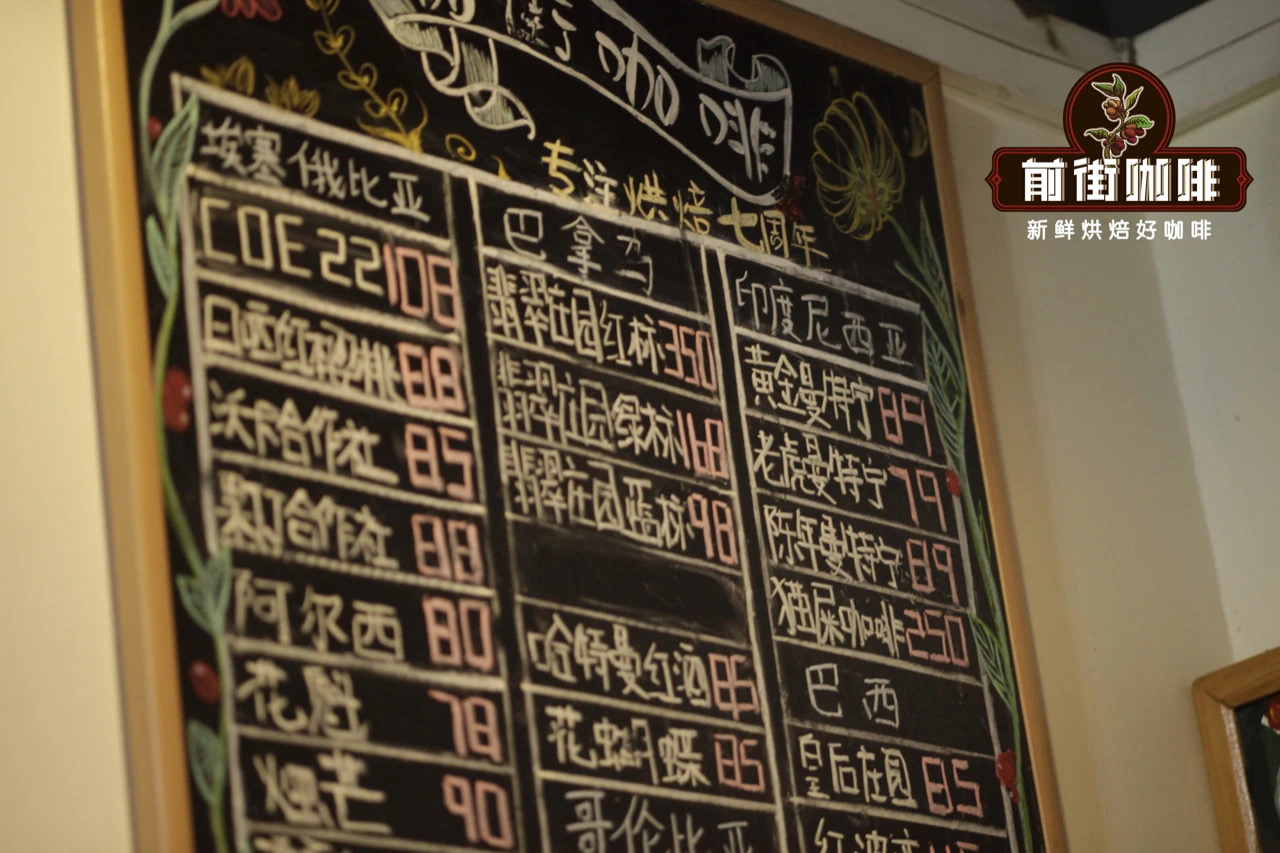
As one of the earliest regions in the world to engage in commercial coffee cultivation, Indonesia’s coffee history dates back to the late 17th century. At that time, Dutch colonists introduced coffee seedlings to Java Island, where present-day Jakarta (formerly known as Batavia) is located. Starting in 1699, large-scale coffee plantations were gradually established on Java, and by 1711, the first Indonesian coffee was shipped to Europe via the Dutch East India Company, making Java a significant global coffee supplier for a time. However, between 1860 and 1880, the outbreak of coffee leaf rust severely impacted local Arabica varieties. To maintain production, the Dutch began introducing the disease-resistant Robusta variety, leading to the dominance of Robusta in Indonesia’s coffee-growing landscape today—whereas Mandheling remains one of the few bright spots still committed to producing Arabica.
As for the origin of the name “Mandheling,” it actually has nothing to do with the producing region or coffee variety, but rather stems from a misunderstanding. During World War II, a Japanese officer tasted a uniquely flavored coffee in Indonesia and, out of curiosity, asked the shopkeeper about it. Due to a language barrier, he mistakenly thought the reply referred to an ethnic group named “Mandening,” which later evolved into “Mandheling” among Japanese speakers. The supplier of this coffee was a trader who later founded the PWN (Pawani Coffee Company), which is also the original source of what is now known as “Golden Mandheling” on the market. It’s worth noting that PWN has registered “Golden Mandheling” as a trademark, meaning only specific batches produced by this company are allowed to use the name.
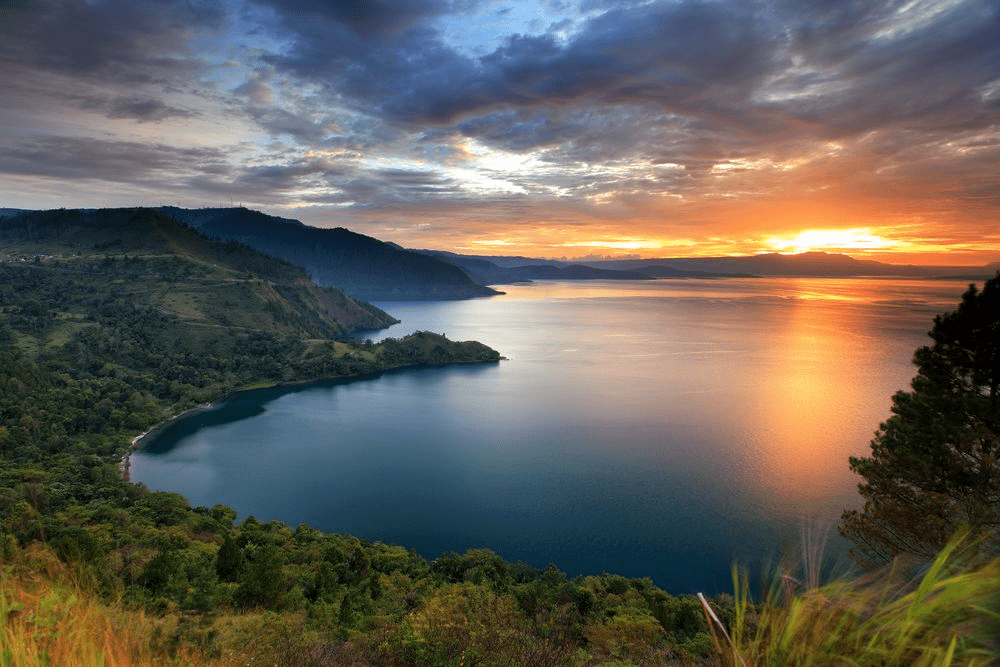
Currently, the most common and recommended Indonesian Mandheling beans on the market mainly include four varieties: PWN Golden Mandheling, Tiger Mandheling, Aged Mandheling, and Lintong Mandheling, each with its own unique regional background and flavor characteristics.
First up is PWN Golden Mandheling, grown in the Gayo highlands of northern Sumatra at an altitude of about 1100–1600 meters. The main variety is Ateng, and it is processed using Indonesia’s unique wet-hulled method, graded as G1 and hand-sorted three times. The highlight of this bean lies in its rigorous selection process—not only undergoing density and color sorting, but also four rounds of manual picking—to ensure uniform bean size and intact appearance. As a result, it produces a clean cup with pronounced sweetness and almost none of the earthy or musty off-flavors commonly associated with Mandheling. It’s worth mentioning that this bean originally came mainly from the Lintong region, but has recently shifted to the Gayo highlands, and its packaging has been adjusted from the previous 60 kg to 30 kg to ensure more stable quality.
Next is Tiger Mandheling, also originating from Aceh at an altitude of around 1500 meters. The varieties include Catucai, Typica, and Sidikalong, and it is likewise processed using the wet-hulled method. The name of this Mandheling is said to originate from a coffee scout who discovered high-quality beans in a tiger-inhabited area of the Sumatran jungle, and subsequently named the smallholder cooperative he worked with “Tiger Estate.” Tiger Mandheling offers a brighter profile than typical Mandheling, with its herbal notes transforming into distinct nutty and caramel aromas. It has prominent sweetness and an overall more balanced cup, making it ideal for drinkers who enjoy bold yet layered flavors.
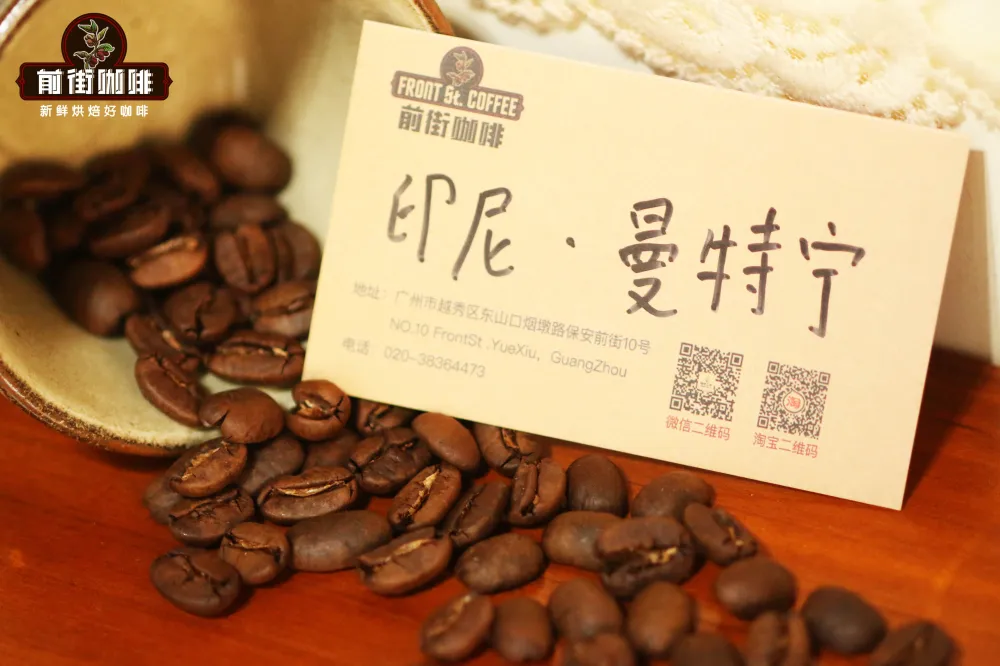
The third variety to introduce is Aged Mandheling. Many people wonder why coffee beans are intentionally aged, and this actually ties back to historical shipping practices. During the Dutch colonial period, to ensure stable supply to European markets, coffee beans often required long-term storage and transport, inadvertently resulting in a unique flavor profile with reduced acidity and enhanced body. Modern-aged Mandheling is carefully matured over an extended period under strictly controlled environments to prevent mold or deterioration, allowing the coffee to develop a rounder, lower-acid profile with deep sweetness. For those who prefer full-bodied, low-acid, and layered cups, Aged Mandheling is a must-try.
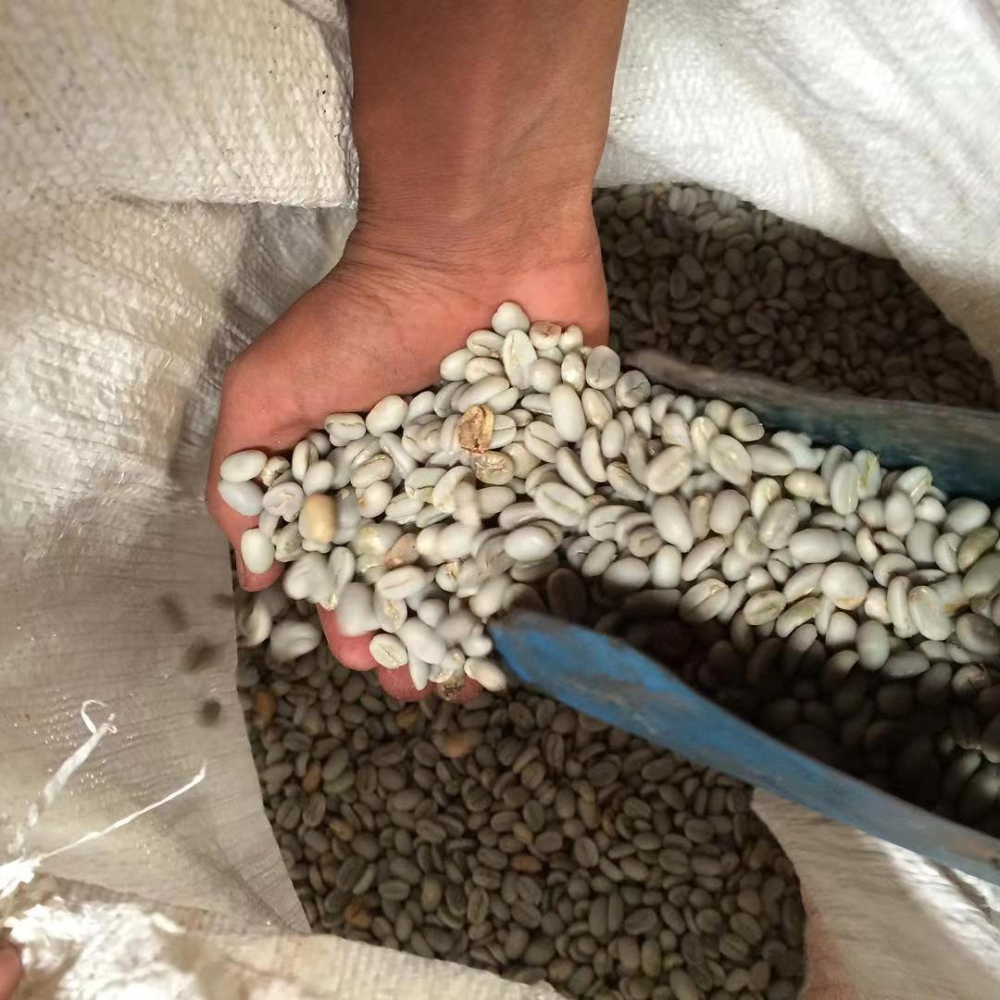
Lastly, there’s Lintong Mandheling, grown in the Lintong region of Sumatra and also processed using the wet-hulled method. This technique is unique to Indonesia and developed primarily in response to the region’s humid and rainy climate. By removing the outer parchment layer earlier and scraping part of the inner parchment, the drying process is accelerated. Although the wet-hulled method reduces acidity and brightness, it yields a richer body along with distinctive herbal and earthy aromas—one of the key features that set Mandheling apart from coffees of other regions.
With an understanding of these beans’ characteristics, here come practical pour over recommendations. It is recommended to use a Kono filter, with a brew ratio of 1:15, a dose of 15 grams, and water temperature around 88°C. Grind size should be medium-coarse (approximately 70–75% through a #20 sieve). Freshly roasted coffee beans within 5 days of roast are advised for optimal flavor. Coffee beans usually have a 4–7 day degassing period, and the moment you receive them is often the peak of flavor development.
For brewing, a staged extraction method is suggested: start with a 30-second bloom using 30 grams of water, then pour in a slow circular motion until reaching 125 grams for the first pour. After the water level drops slightly, continue pouring to 225 grams and stop just as the water level is about to expose the coffee bed. If using a V60 filter, aim for a total brew time of around 2 minutes; if using a Kono filter, extend to approximately 2 minutes and 10 seconds to fully highlight Mandheling’s richness and layered complexity.
The above content is compiled by CoffeeHunters, a coffee news website.


