







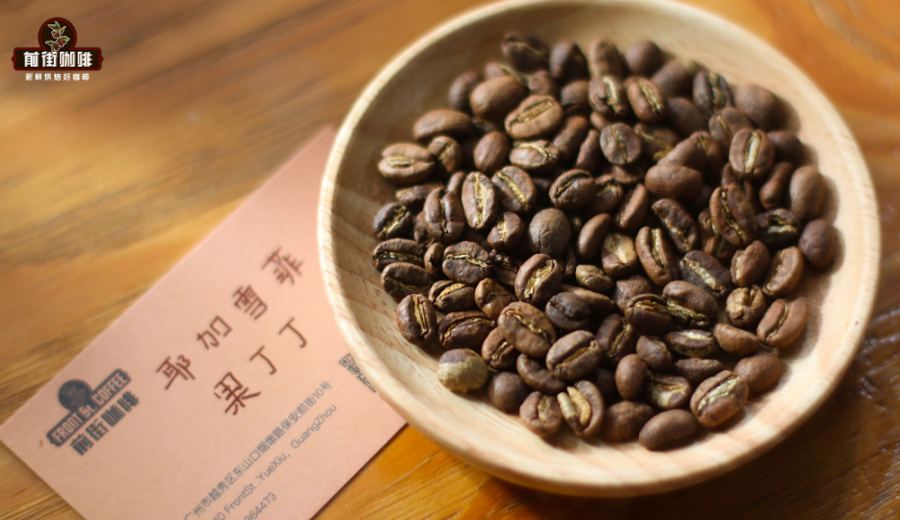
Introduction:Anaerobic natural-processed Yirgacheffe has garnered significant attention in recent years, with its layered notes of berries and floral aromas leaving a remarkable impression. This article takes an in-depth look at the single-farm G1-grade green beans from the Worka Cooperative, covering the structure of the YCFCU alliance, the origin background, and the details of the anaerobic natural processing method. It will guide you through the unique charm of this pour over coffee and provide practical flavor insights and brewing references.
Yirgacheffe is often synonymous with washed processing in the minds of coffee enthusiasts. Take the well-known Konga Cooperative, for example—through its clean processing method that removes the fruit skin and pulp, it presents a bright profile of white floral, honey, citrus, and green tea notes after a light to medium roast. However, anaerobic natural-processed Yirgacheffe is also well worth trying. For instance, the coffee beans from the recently spotlighted Worka Cooperative have impressed many with their rich layers of berry and floral flavors.
These single-farm-sourced G1-grade green beans come from the Alemayehu Alako farm in Ethiopia, processed by the Worka Cooperative.The Worka Cooperative is located in the southern part of the Gedeb district and was established in 2005, joining the Yirgacheffe Coffee Farmers Cooperative Union (YCFCU) in the same year.Founded in 2002, the YCFCU integrates 27 cooperatives and serves over 45,000 coffee farmers, and is renowned for producing high-quality natural-processed Yirgacheffe.
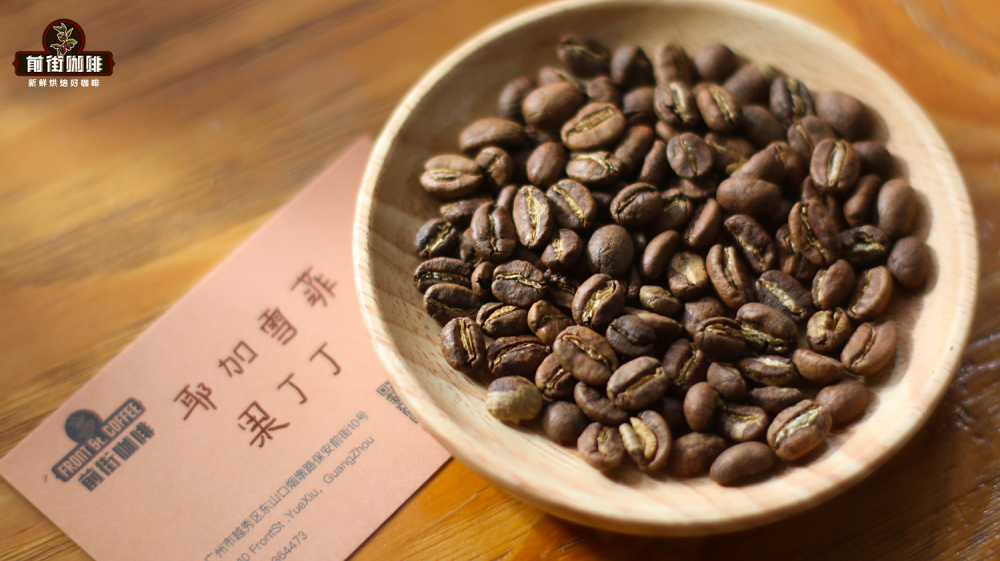
The Worka Cooperative has around 300 coffee farmers and focuses on sun-dried and anaerobic natural-processed Yirgacheffe. Anaerobic natural processing is a technique where fermentation occurs in a controlled oxygen environment, enhancing the fruitiness and sweetness of the coffee while preserving its bright acidity. This method typically involves placing the coffee cherries in sealed containers, where microbial fermentation produces more complex flavor compounds.
The flavor profile of this anaerobic natural Yirgacheffe is distinct, often described with notes of blueberry, red cherry, jasmine, and lemongrass. It is well suited for pour over brewing after a light to medium roast.The recommended grind size is medium-fine (similar to superfine sugar), with water temperature controlled at 90–92°C and a brew ratio of 1:15 to 1:16.This helps highlight its berry character and floral layers.
The structure of the YCFCU alliance provides the Worka Cooperative with stable quality control and market access, ensuring that coffee farmers receive fair compensation. Through this cooperative model, the Worka Cooperative can focus on innovative processing methods such as anaerobic natural, further unlocking the flavor potential of Yirgacheffe.
For coffee beginners, trying anaerobic natural Yirgacheffe is an excellent starting point for exploring how processing methods influence flavor. This coffee not only showcases the diversity of Ethiopian beans but also offers deeper insight into how processing techniques shape the final flavor of a cup.
The above content is compiled by CoffeeHunters, a coffee news website.


